



Join the Leading Global Eye Health Alliance.
Membership-
Choose an alternate language here
- Membership
How women optometrists turned Workplace Wellness Month into a movement for eye health and leadership.
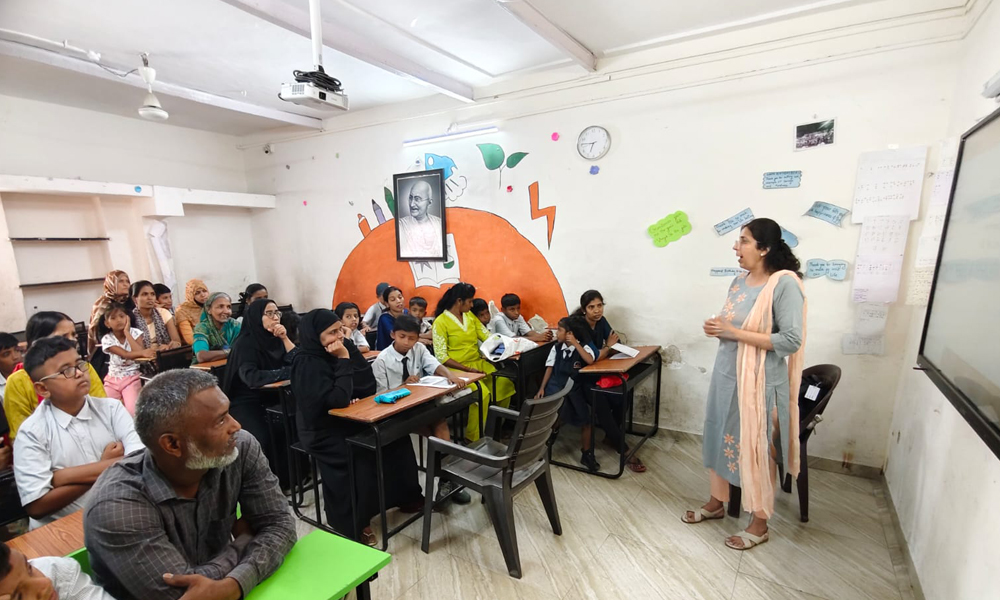
In April 2026, something quietly remarkable unfolded across Indian workplaces. Women optometrists, many stepping into a public leadership role for the first time, walked into IT companies, primary health centres, educational institutions and community halls to deliver a message that too many of us overlook: our eyes matter and preventive care saves sight.
The Initiative That Started It All
The Optometry Confederation of India (OCI), through its OCI SPARK Women Leadership Program (WLP), challenged its alumni and current-batch participants with a bold assignment during Workplace Wellness Month: plan and execute an independent eye health awareness session in a real-world workplace setting.
This was not a box-ticking exercise. It was, by design, a leadership crucible – one that asked women optometrists to step far beyond the clinic and into the roles of educators, advocates and community change-makers.
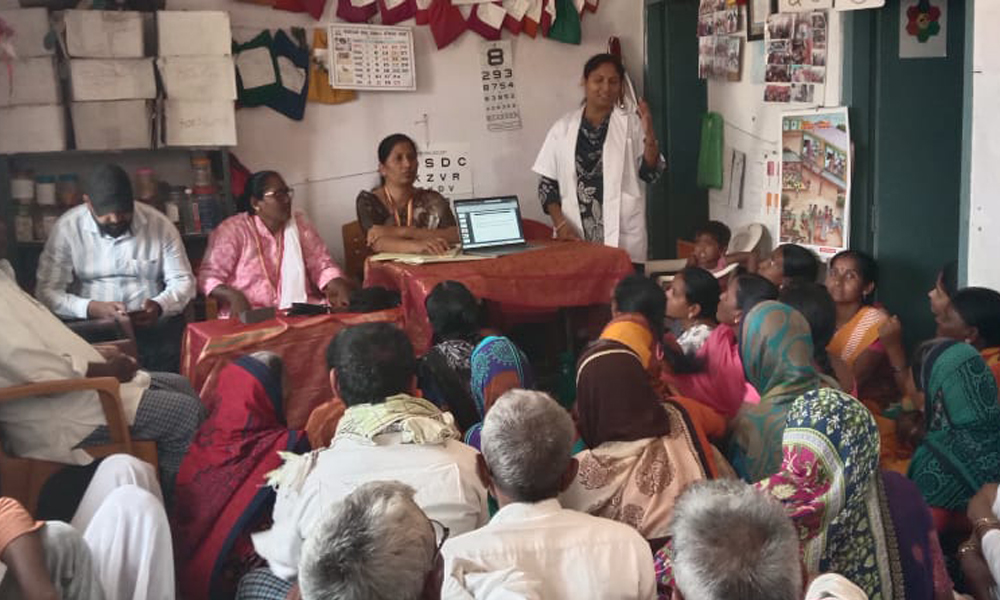
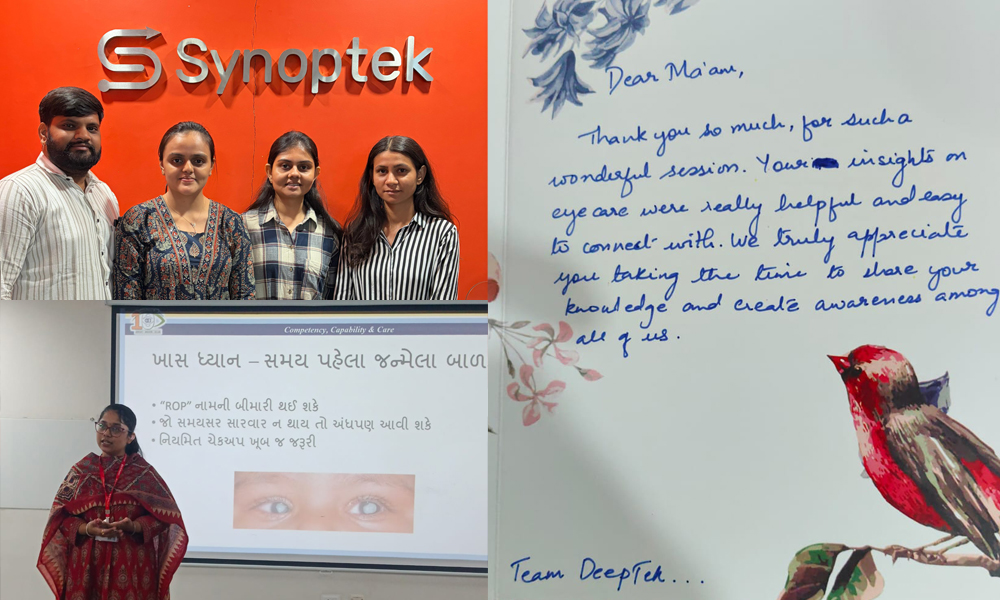
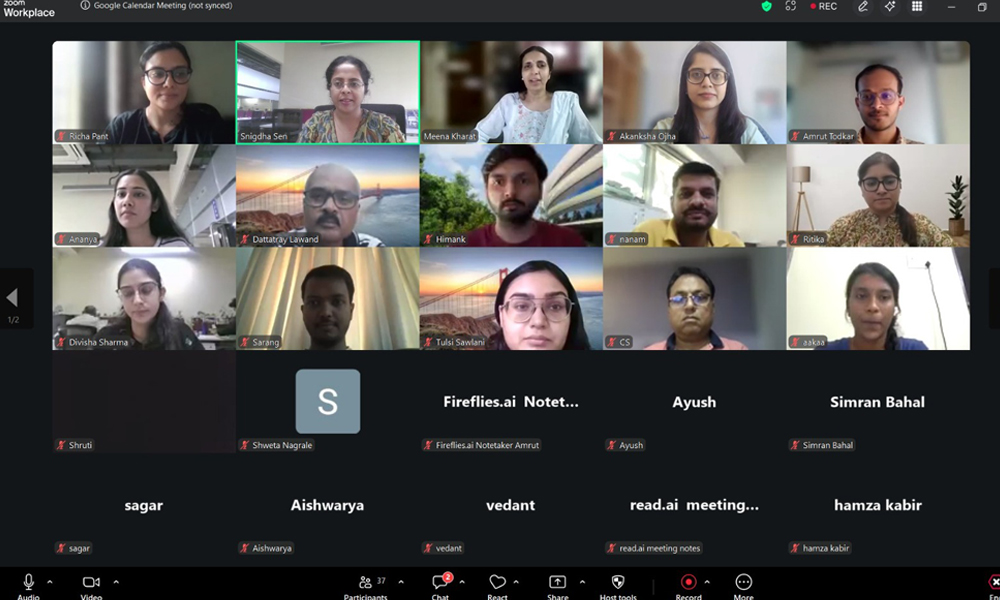
Across eight programs spanning four states: Karnataka, Tamil Nadu, Gujarat, and Maharashtra, more than 300 people were reached. The audiences were as varied as the venues: ASHA workers and Anganwadi staff at a rural primary health centre in Bidar, corporate employees at Tata Motors in Chennai, IT professionals at Syntech in Ahmedabad and parents at a community setting in Pune.
What the Workplaces Were Missing
The sessions quickly revealed a landscape of unaddressed eye health needs. Across every venue, recurring concerns surfaced from audiences who had never had the opportunity to ask an eye care professional these questions in person.
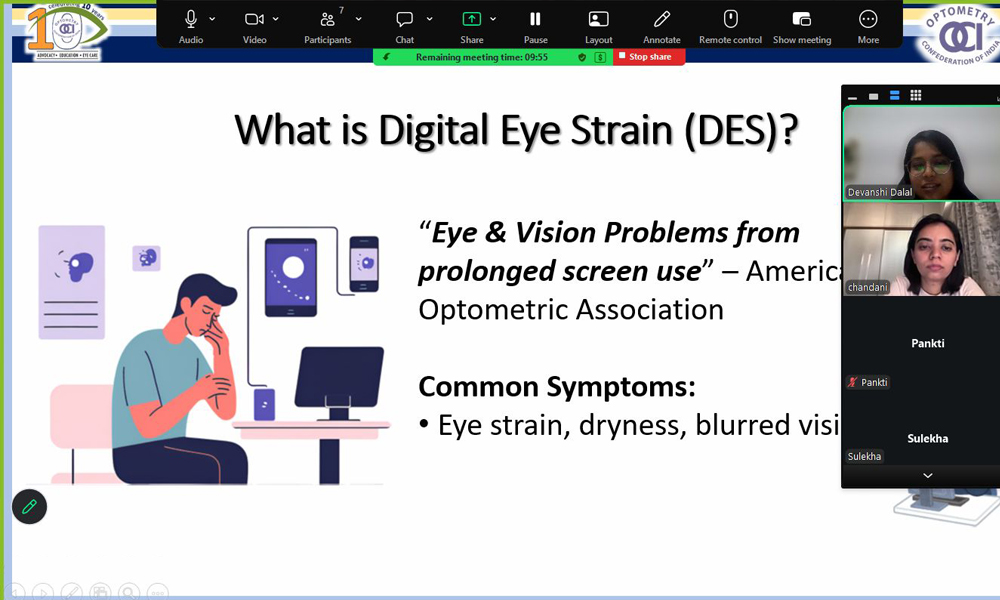
Facilitators covered topics including digital eye strain and screen fatigue, refractive errors and the need for regular eye examinations, glaucoma, diabetic retinopathy, contact lens care, workplace ergonomics, the 20-20-20 rule and pediatric eye health.
Many employees had never visited an optometrist. Several reported persistent dryness and headaches they had attributed to stress, not screens. These conversations, sparked in break rooms and conference halls, may well have prompted sight-saving decisions.
Leadership Tested in the Field
Real leadership rarely emerges under ideal conditions, and these women proved it. Every participant encountered at least one significant obstacle and found a way through.
When Participant A arrived at a rural PHC in Bidar and found no hall large enough for the gathered staff, she reorganised the session on the spot into multiple smaller rotations, reaching every participant without cancelling. In Pune, Participant E’s audiovisual setup failed mid-session; she transitioned immediately to an interactive, discussion-based format that her audience later described as excellent. In Chennai, Participant B faced delays and then a withdrawal from her original partner organisation. Rather than stand down, she approached Tata Motors, secured approval and delivered the session. In Ahmedabad, Participant D spent weeks in professional correspondence with corporate HR teams, carefully building the case for why eye health awareness belonged in a workplace wellness programme.
These are not footnotes to the initiative. They are the initiative. The ability to adapt, persist and create an outcome where none seemed possible is precisely the leadership quality the OCI SPARK WLP was designed to develop.
Voices from the Field
We asked each participant to reflect on their experience. What came back was not the language of checkbox completion, it was the voice of people who had been genuinely changed by what they did.
Participant A — Bidar, Karnataka
“It was a totally new experience to gather other professionals. Conducting two back-to-back sessions to work around the space issue taught me that a good facilitator finds a way, not an excuse.”
Participant B — Chennai, Tamil Nadu
“Connecting with Tata Motors after the original company fell through showed me I can navigate professional relationships under pressure and that is a skill I will carry forever. I was very happy and satisfied to spread awareness.”
Participant D — Ahmedabad, Gujarat
“The overall experience was highly positive, informative, and professionally enriching. Working with two completely different audiences: corporate professionals and campus staff, stretched my communication skills in ways that clinic practice never does.”
Participant E — Pune, Maharashtra
“The Q&A was the most energetic part. Parents asking about their children’s screen time, IT workers wanting to know if their headaches were vision-related. This is what preventive care looks like when it goes where people already are.”
How Did the Sessions Land?
Audience engagement was rated moderate to very high across all sessions. The OCI-provided presentation materials scored an average of 8.2 out of 10. Interest in eye health overall, the metric that matters most came in highest of all, reflecting an audience that was ready and eager for this conversation, but had simply never had access to it in a workplace context.
Every participant strongly agreed that the experience improved their confidence as a leader and speaker. All five reported significant improvement in their communication and public engagement skills, a finding that is as much a leadership outcome as a health one.
What Changes After This
Perhaps the most significant result of the initiative was not measured in session ratings. It was measured in intent. Every woman who participated expressed a desire to go further.
One participant put it simply: “If it is there, I am 100% available for different category people.” This is not a group of professionals who checked a box. It is a group who discovered something important about themselves and want to do it again, bigger.
The Bigger Picture
Workplace wellness programmes are often the only formal touchpoint between health professionals and working adults. Most people do not visit an optometrist until something has already gone wrong. These sessions flipped that model, bringing preventive expertise into the spaces where people spend the majority of their waking hours.
The OCI SPARK WLP has demonstrated, in eight programmes across four cities, what becomes possible when women optometrists are given structure, encouragement and a little room to lead. The clinical expertise was always there. What this initiative did was build the confidence and skills to deploy it far beyond the exam room.
As OCI continues to nurture women leaders in optometry, initiatives such as these reaffirm that empowering women professionals ultimately strengthens communities, improves access to health education and contributes to a more inclusive and preventive approach to eye care.
Acknowledgements
OCI sincerely thanks all OCI SPARK WLP alumni and current-batch participants who dedicated their time, energy and leadership to these awareness initiatives. OCI gratefully acknowledges the support of Orbis, Sightsavers, People First Consultancy, and Sankara Nethralaya, and thanks every organisation and workplace that opened its doors to these sessions.