

Join the Leading Global Eye Health Alliance.
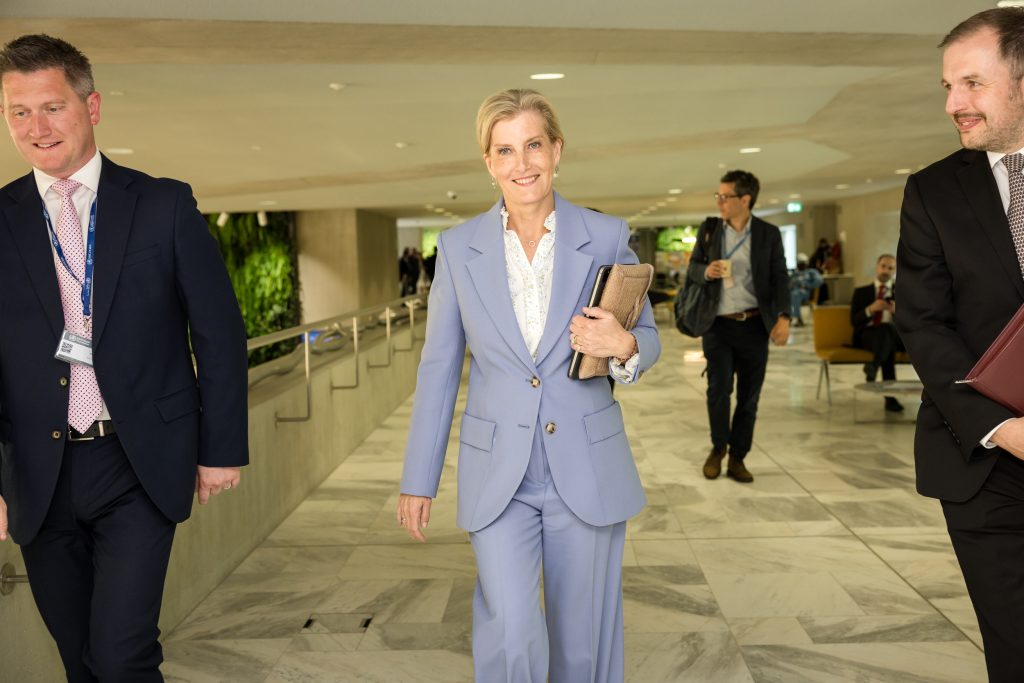
MembershipHer Royal Highness The Duchess of Edinburgh was in Peru and Belize, visiting eye health projects as part of her role as Global Ambassador for the IAPB. The visit highlights the importance of accessible, equitable eye care and celebrates the organisations and individuals across the America’s working to prevent avoidable blindness and vision loss.
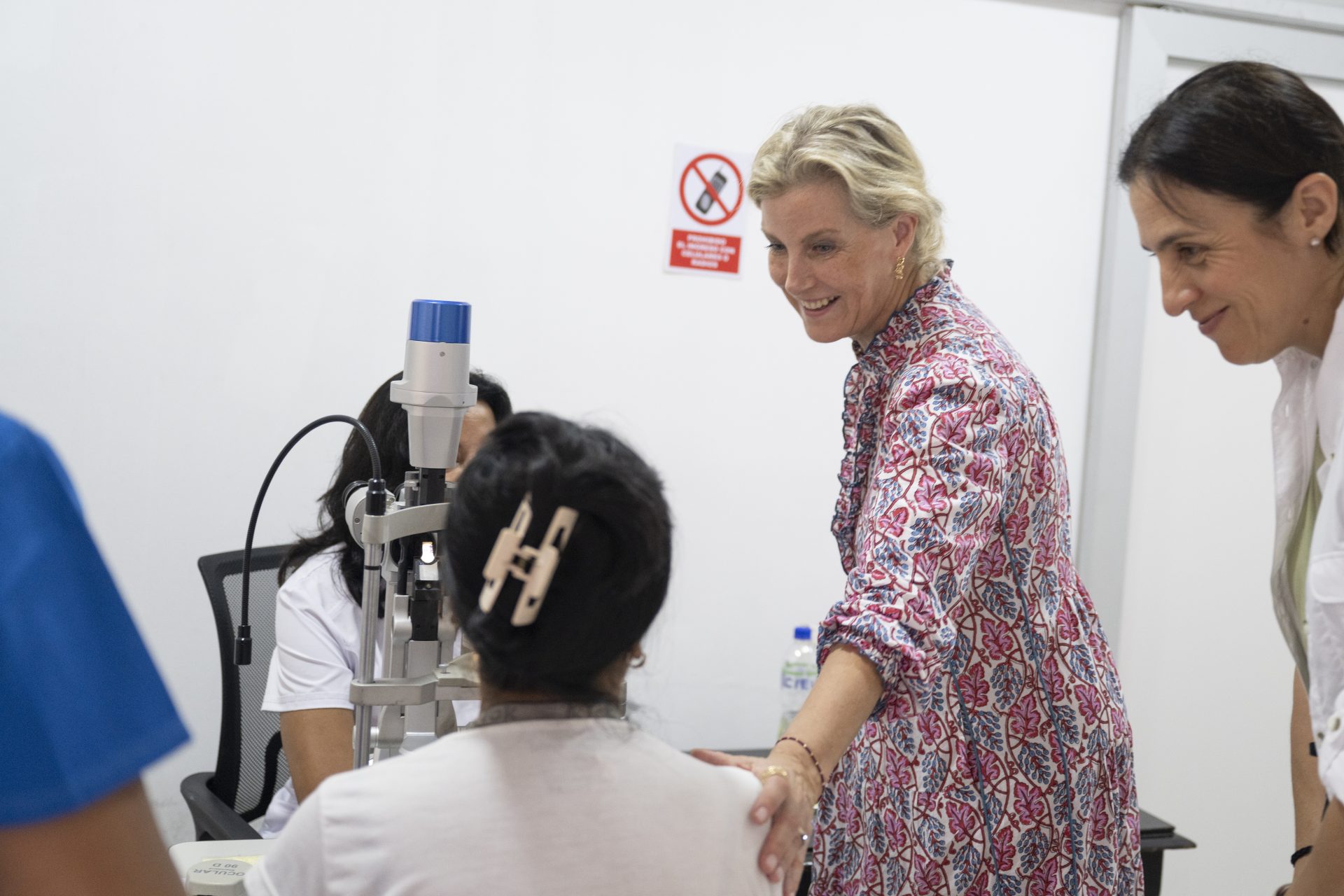
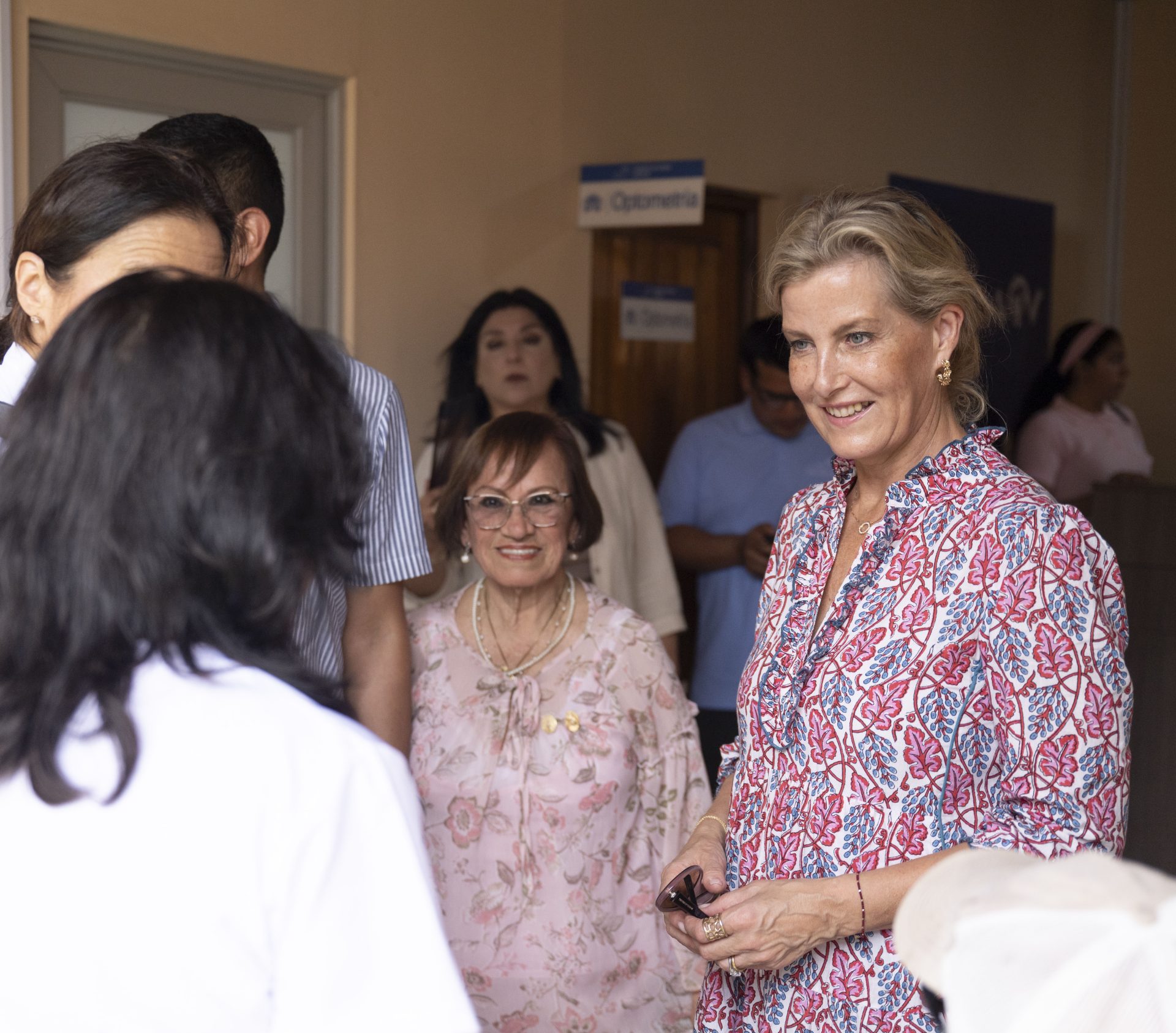
While in Peru, The Duchess visited the Asociación Civil Divino Niño in Lima, IAPB’s longest-standing member in the country, to learn about its work preventing blindness and restoring sight among vulnerable and low-income populations. With more than 25 years of experience providing social and eye-health services in Lima and Iquitos, Divino Niño is a cornerstone of community-based eye care in Peru. Her Royal Highness watched glaucoma screening and treatment in action, meeting with ophthalmologists and patients to better understand the importance of early detection and long-term management of this leading cause of irreversible blindness.
The Duchess also travelled to Belize to visit the Belize Council for the Visually Impaired (BCVI), where she saw first-hand the work being done to address diabetic retinopathy which continues to be an increasing challenge across the region as rates of non-communicable diseases rise. The visit also included conversations about the barriers women and girls in the country face in accessing eye care.
In both countries, Her Royal Highness spoke with clinicians, community health workers and patients, learning how local innovation, international partnership and sustained investment are transforming access to sight-saving care.
Speaking after the visit Peter Holland, Chief Executive of IAPB said “Her Royal Highness’s visit has brought awareness to the vital work being carried out across the America’s to tackle avoidable vision loss. In Peru and Belize, local organisations are demonstrating how community-based solutions, strong leadership and gender-inclusive approaches can deliver real change. This visit underscores the importance of collaboration in achieving our global 2030 In Sight goal, a world where everyone, everywhere has access to affordable, quality eye care.”
Across both countries, access to comprehensive, equitable eye care remains uneven, particularly for women, rural populations and those on lower incomes. The IAPB Vision Atlas reports that Peru faces one of the highest rates of visual impairment in the Andean region, and investment in eye health interventions in the country would deliver $2.4 billion USD in economic benefits. In Belize, diabetic retinopathy is an emerging public health concern, with early screening and treatment proving essential to prevent sight loss. Eye health investment would address rising rates of diabetic retinopathy and inject over $9 million USD from economic benefits like learning, wellbeing, traffic safety and employment.
Prevent Blindness is declaring February as Age-related Macular Degeneration (AMD) and Low Vision Month in an effort to provide education and various expert-approved resources to the public and professionals. This year’s AMD and Low Vision Month is generously supported by Gold Sponsor EyePoint, Inc.
According to Johns Hopkins Medicine, AMD is the most common cause of severe loss of eyesight among people 50 and older. And, about 4 million Americans live with low vision, which is defined as chronic visual impairment that cannot be corrected with glasses, contact lenses or medical treatments.
AMD affects the central part of the retina called the “macula.” When AMD damages the macula, the center part of a person’s vision may become blurred or wavy, and a blind spot may develop. Early detection and treatment of AMD is key to helping to prevent significant vision loss.
Two types of AMD include:
“As our population ages, the number of individuals impacted by AMD continues to grow. Many will face difficulties doing the things we sometimes take for granted, such as reading, seeing faces, and driving,” said Jeff Todd, president and CEO of Prevent Blindness. “Our robust collection of resources on AMD and low vision are intentionally created to help minimize vision loss and maintain independence for those impacted by AMD while providing effective tools to the public and providers on ways to save sight.”
As part of AMD and Low Vision Month, Prevent Blindness offers the free AMD GuideMe app. This resource provides a customized overview of AMD along with a tailored resource list and suggested steps to help save sight from the eye disease specific to the individual using the GuideMe app. Prevent Blindness offers additional educational resources including fact sheets and shareable social media graphics in English and Spanish, and dedicated webpages.
New this year, as part of the Prevent Blindness ASPECT Patient Engagement Program Member Spotlight Series, graduate Laurie S., shares her experience with AMD, including her family history with the eye disease, how it impacts her daily activities including the ability to read music, and the importance of support groups “Age-related Macular Degeneration: Laurie’s Story.”
Videos in the Prevent Blindness Focus on Eye Health Series include:
The Prevent Blindness “Living Well With Low Vision” program provides useful information to those with low vision, their care partners and healthcare professionals. Content includes self-help guides, resources for vision loss and mental wellness, information on clinical trials, and much more. Living Well With Low Vision is supported by grants from Amgen and Genentech.
For more information on AMD, please visit PreventBlindness.org/amd. For information on geographic atrophy, please visit PreventBlindness.org/geographic-atrophy.
And, for more information on Living Well With Low Vision, or other general eye health information, please visit lowvision.PreventBlindness.org.
For a listing of organizations and services that provide financial assistance for vision care in English or Spanish, please visit https://preventblindness.org/vision-care-financial-assistance-information.