







Join the Leading Global Eye Health Alliance.
Membership-
Choose an alternate language here
- Membership
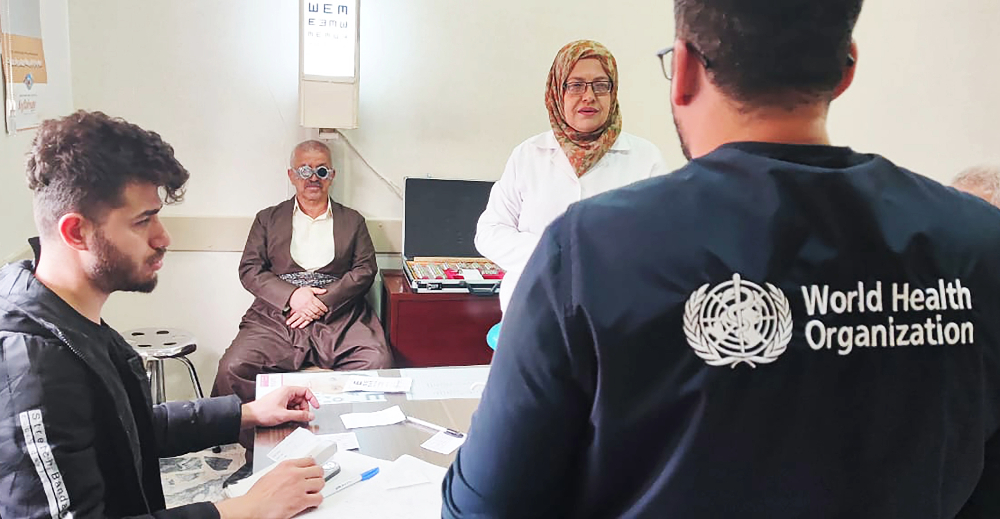
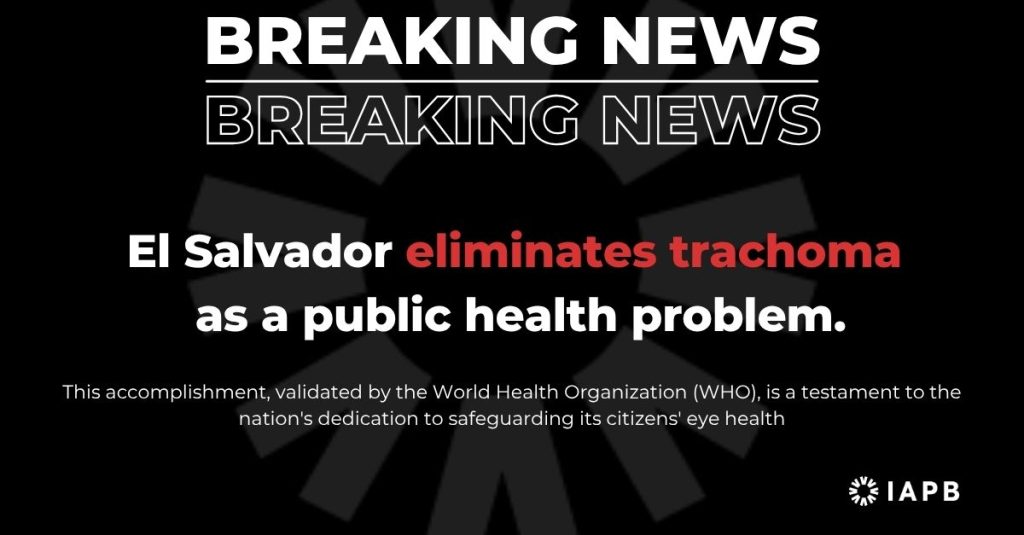
The World Health Organization (WHO) congratulates Iraq for having eliminated trachoma as a public health problem, making it the fifth country in WHO’s Eastern Mediterranean Region to achieve this milestone.
“The success of Iraq’s national trachoma programme has shown what can be achieved with national leadership and collaboration”, said Dr Tedros Adhanom Ghebreyesus, WHO Director-General. “Freedom from trachoma will positively impact the lives of the most vulnerable populations now and in the future”.
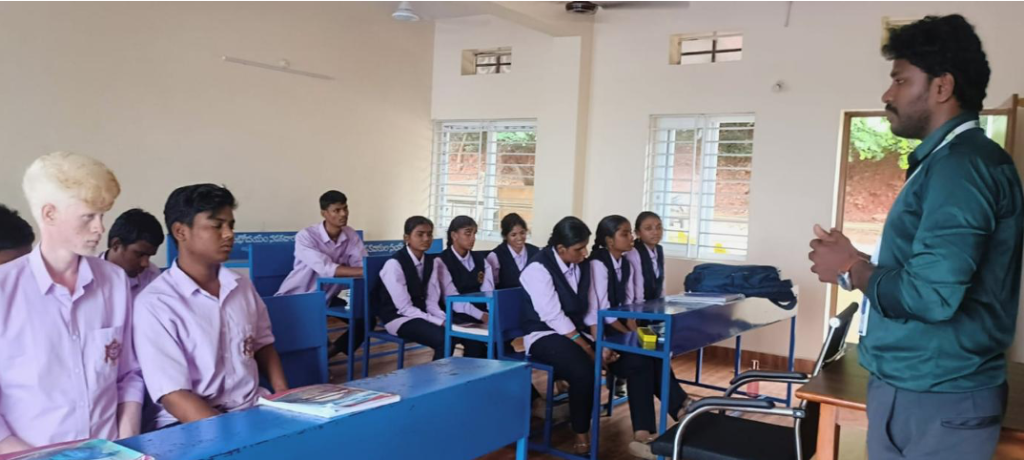
Iraq established its national trachoma programme in 2012 to coordinate the final domestic push against the disease. A trachoma surveillance system was developed to detect and manage cases within secondary and tertiary eye care facilities, as well as through school pre-enrolment and school eye screening programmes conducted in collaboration with the Ministry of Education. Thousands of refractionists, optometrists, ophthalmologists, specialist eye surgeons and other trained healthcare staff contributed to these efforts.
Post-elimination, Iraq and WHO will continue to closely monitor previously endemic areas to detect and if necessary, combat any resurgence of disease.
“WHO has validated Iraq as having eliminated trachoma as a public health problem, making it the eighth country in the Eastern Mediterranean Region that has eliminated at least one neglected tropical disease” said Dr Ahmed Al-Mandhari, WHO Regional Director for the Eastern Mediterranean. “This is a remarkable achievement, and it illustrates that with dedication countries can achieve success in eliminating diseases, even under challenging circumstances. Iraq’s success in eliminating trachoma is also a true demonstration of our regional vision of Health for All by All.”
Trachoma, the leading infectious cause of blindness worldwide, is still known to be endemic in six countries of WHO’s Eastern Mediterranean Region, but there has been substantial progress in the number of people in the region requiring antibiotic treatment for trachoma elimination purposes, which has fallen from 39 million in 2013 to 6.9 million in April 2023.
Globally, Iraq joins Benin, Cambodia, China, Gambia, Ghana, Islamic Republic of Iran, Lao People’s Democratic Republic, Malawi, Mali, Mexico, Morocco, Myanmar, Nepal, Oman, Saudi Arabia, Togo and Vanuatu.
Iraq is also the 50th country to be acknowledged by WHO for eliminating at least one neglected tropical disease (NTD), globally. This major milestone is the halfway mark to the 100-country target set for 2030 in the WHO road map for neglected tropical diseases. Since the beginning of 2023, 5 other countries have successfully completed the relevant validation processes for one NTD.
“The contribution that NTD programmes are making towards universal health coverage is impressive as by definition they extend outreach to pockets of underserved populations” said Dr Ibrahima Socé Fall, Director, Global NTD Programme, WHO. “Thanks to Iraq’s dedication and commitment, the world is now closer to attaining the Sustainable Development Goals targets”.