



Join the Leading Global Eye Health Alliance.
Membership-
Choose an alternate language here
- Membership
The global eye health community is entering a decisive phase, one where data is no longer a constraint, but a catalyst for action.
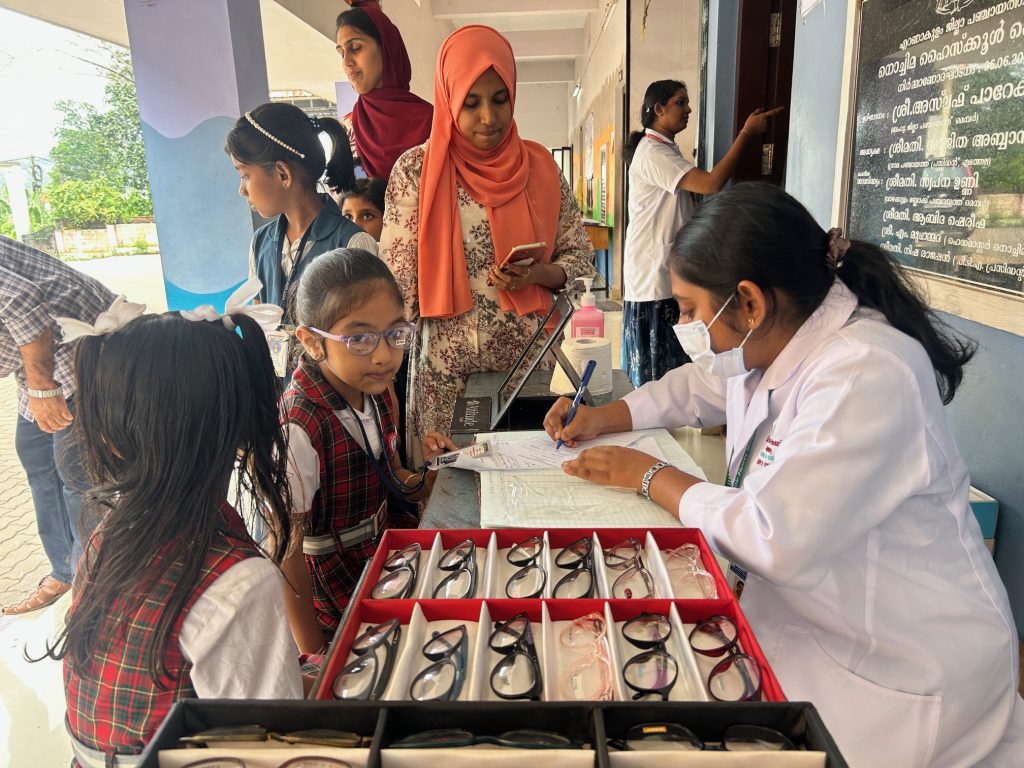
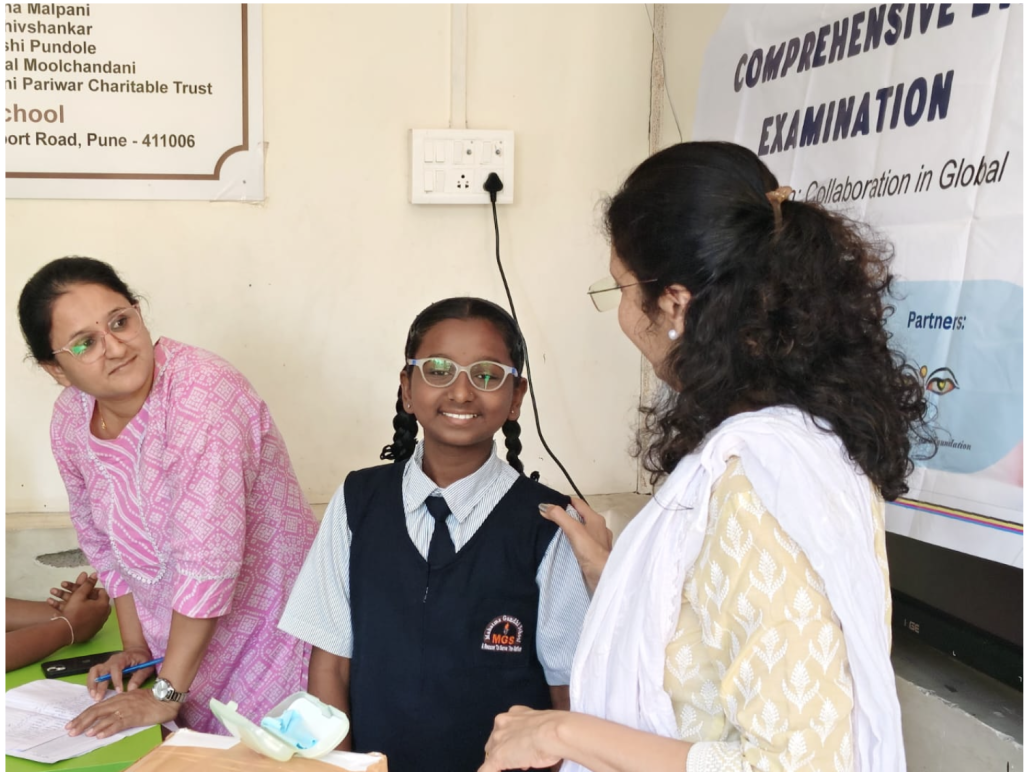
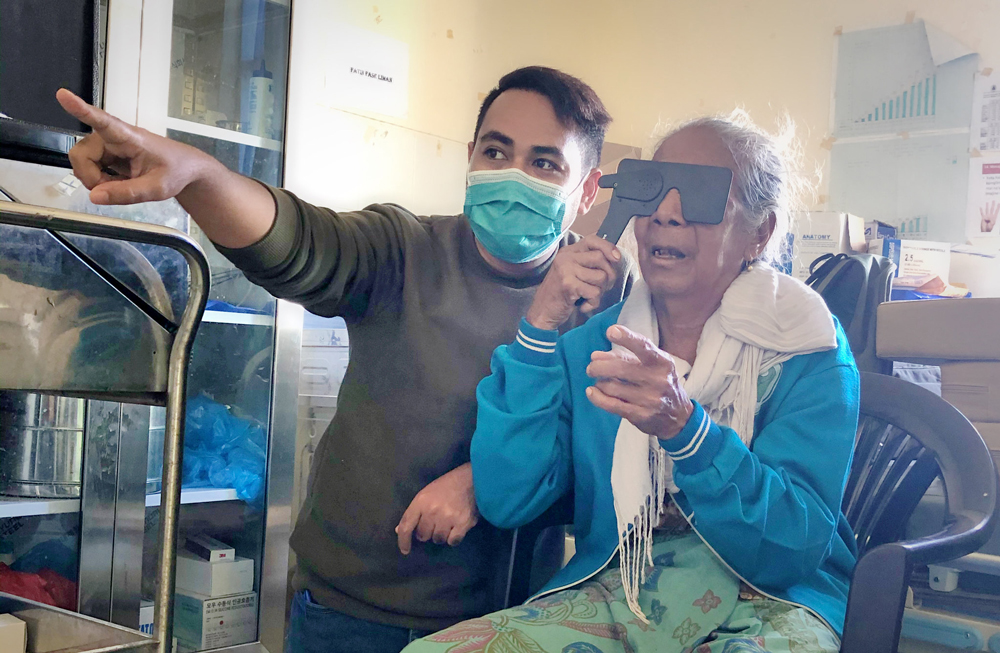
Recent efforts in Timor-Leste’s nationwide refractive error study in children (RESC) mark an important milestone in closing long-standing evidence gaps, particularly among school-aged populations. Historically, data on refractive errors in Timor-Leste has been limited. This nationwide study, covering school children aged 9-15 years across all districts, is designed to generate robust, policy-relevant evidence on the prevalence of visual impairment, its association with uncorrected refractive error, and the effective coverage of spectacles.
Nepal has also recently completed Nationwide Rapid Assessment of Refractive Error, which will provide fresh information of prevalence coverage and effective coverage of refractive error among the age 16 to 49.
Building on this momentum, both Timor-Leste and Nepal have now successfully completed their national refractive error surveys, with results expected to be disseminated soon. This marks a significant step forward for the region, as countries move towards generating standardized, comparable data aligned with global indicators such as effective refractive error coverage (eREC). These findings will not only inform national planning and resource allocation but also strengthen accountability towards the World Health Assembly 2030 targets. Importantly, they signal a broader shift, from fragmented or outdated data to systematic, population-level evidence that can drive integration of refractive error services within health and education systems.
What makes these developments particularly significant is their timing. As the global eye health sector prepares for increased political attention and investment, the availability of high-quality national data from countries like Timor-Leste and Nepal provides a strong foundation for evidence-based advocacy. More importantly, it enables countries to move beyond general commitments and towards targeted, measurable interventions, ensuring that children, often the most underserved, are not left behind in the effort to eliminate avoidable vision impairment.