


Join the Leading Global Eye Health Alliance.
Membership-
Choose an alternate language here
- Membership
Papua New Guinea is a leader in eye health and increasingly, a model for others to follow.
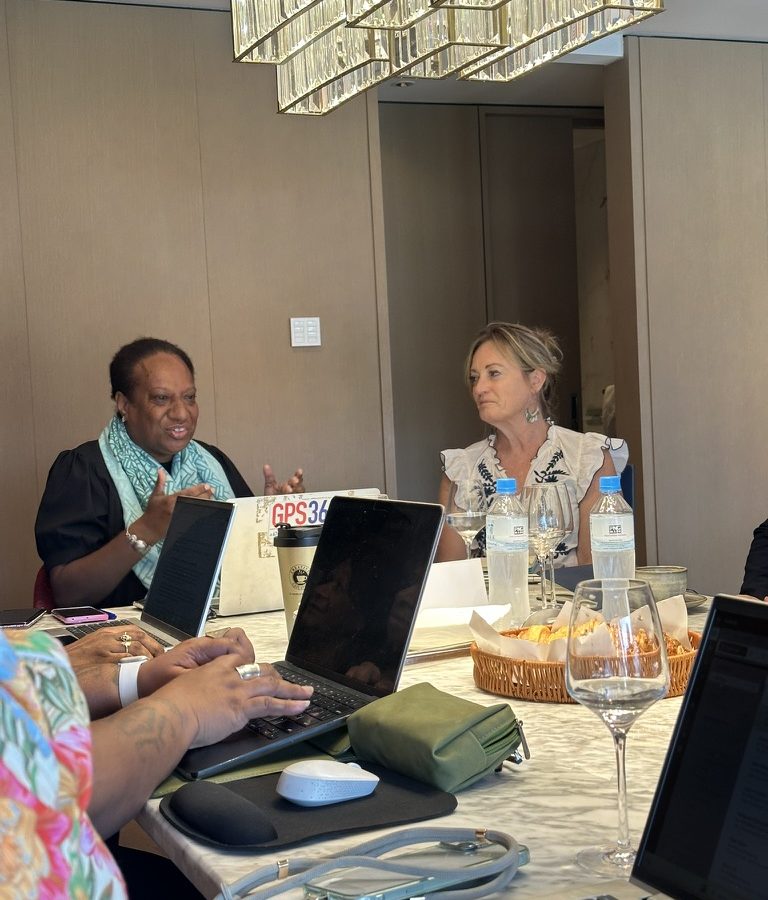
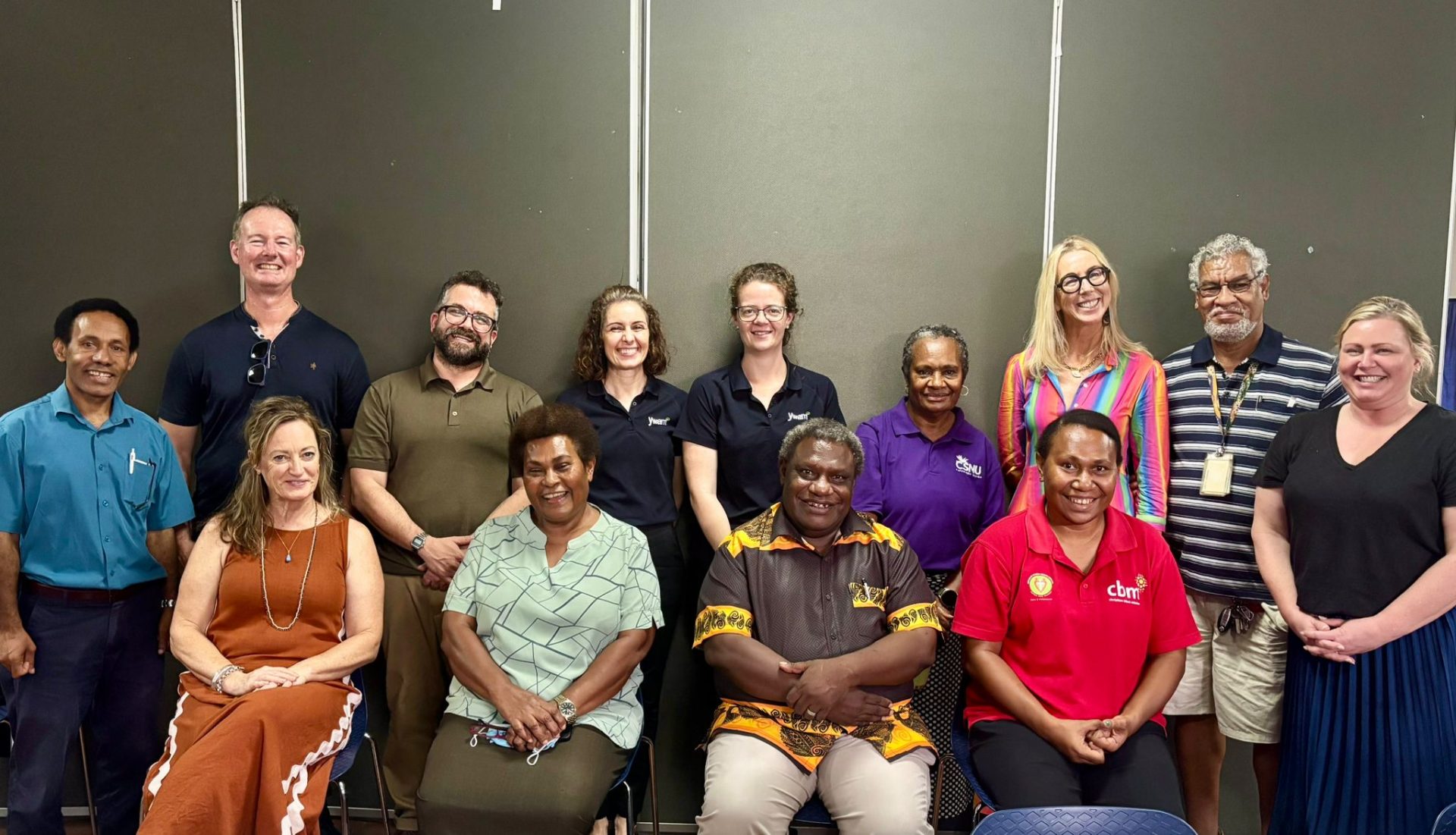
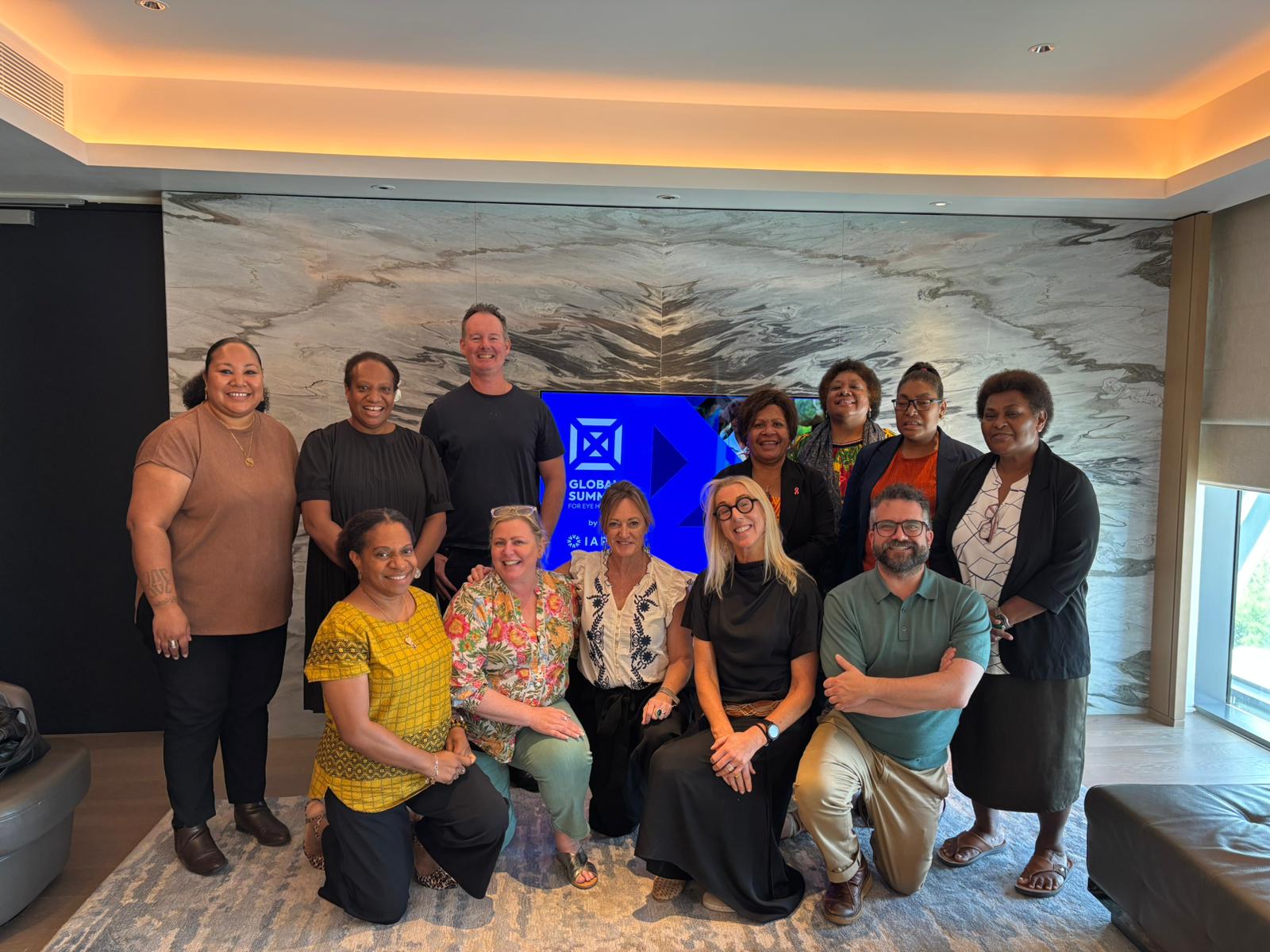
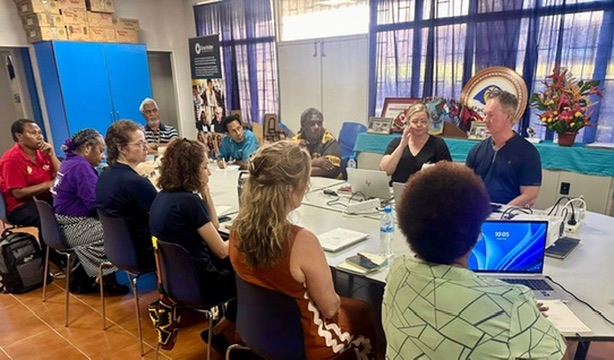
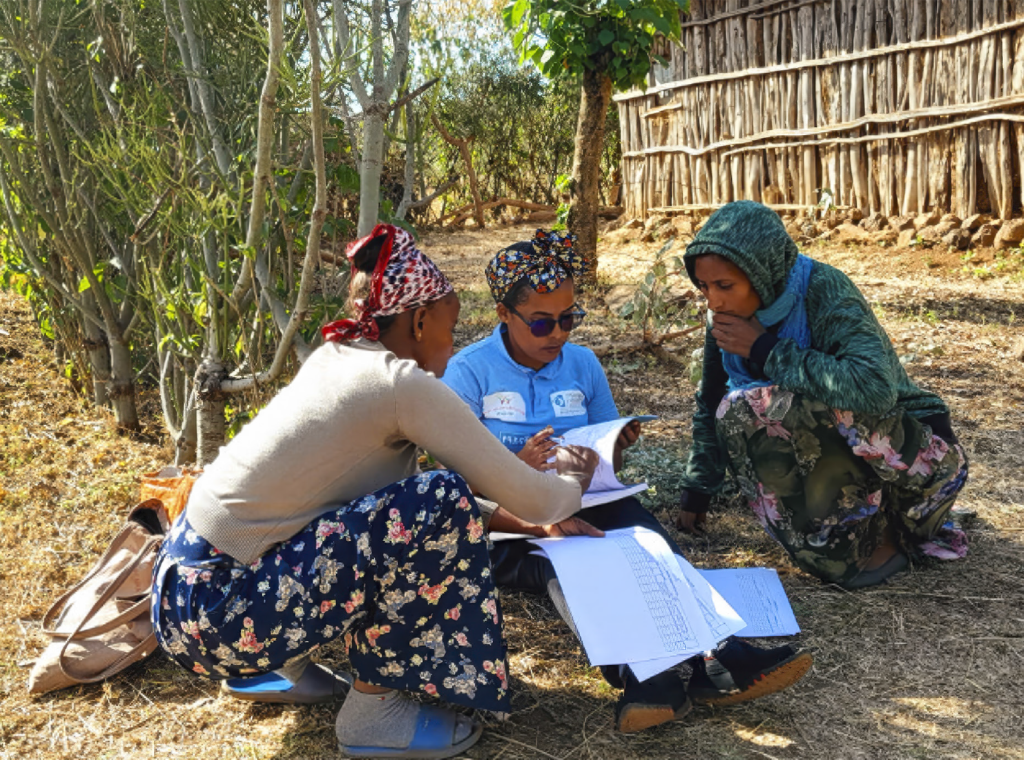
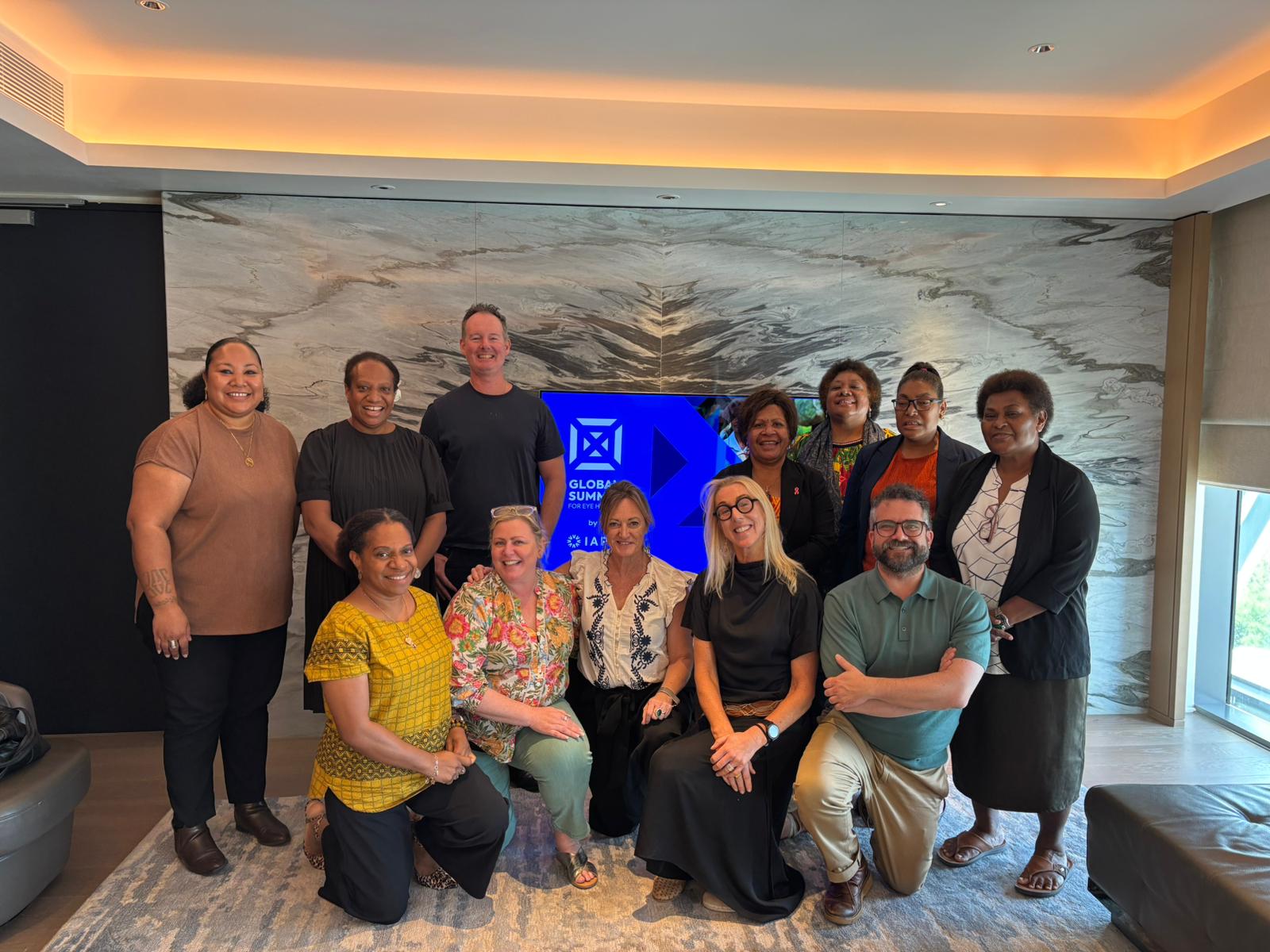
This week in Port Moresby, the IAPB convened three sessions to support the development of PNG’s commitments for the 2026 Global Summit for Eye Health, and to explore how these can be delivered in practice. These included a National Prevention of Blindness Committee workshop, a dedicated session on women and girls’ eye health, and a high-level private sector roundtable.
Taken together, they told a clear story: PNG is not only advancing eye health domestically, it is helping to shape what leadership in this space looks like globally.
A strong foundation, built over time
PNG’s leadership is not accidental. It is the result of sustained investment in systems, coordination, and data.
The country has a strong evidence base, including national survey data, and has demonstrated consistent leadership through one of the most active and well-coordinated National Prevention of Blindness Committees in the region. The new, government-endorsed National Eye Health Strategic Plan reflects this maturity, with eye health embedded within broader national planning and monitoring frameworks. The development of a state-of-the-art PNG Centre for Eye Health further strengthens the system, particularly in relation to training, coordination, and service delivery.
This foundation creates something many countries are still working towards: a platform for coherent, government-led action at scale.
From strategy to commitments
The National Prevention of Blindness Committee workshop focused on taking this strong foundation and shaping it into clear, time-bound government commitments for the Global Summit.
The emphasis was not on new ideas for their own sake, but on identifying where PNG can go further, strengthening delivery, expanding access, and ensuring that the new National Eye Health Strategic Plan is fully implemented and resourced. As discussed, commitments need to be specific, measurable, and aligned with national systems, moving beyond plans on paper to actions that can be tracked and delivered.
Gender Equity: From recognition to action
A dedicated workshop on women and girls’ eye health brought another critical dimension into focus.
Globally, women account for the majority of people living with vision impairment (55%), and the disparities are even more pronounced in PNG. But what stood out in this session was not just the data – it was the conversation.
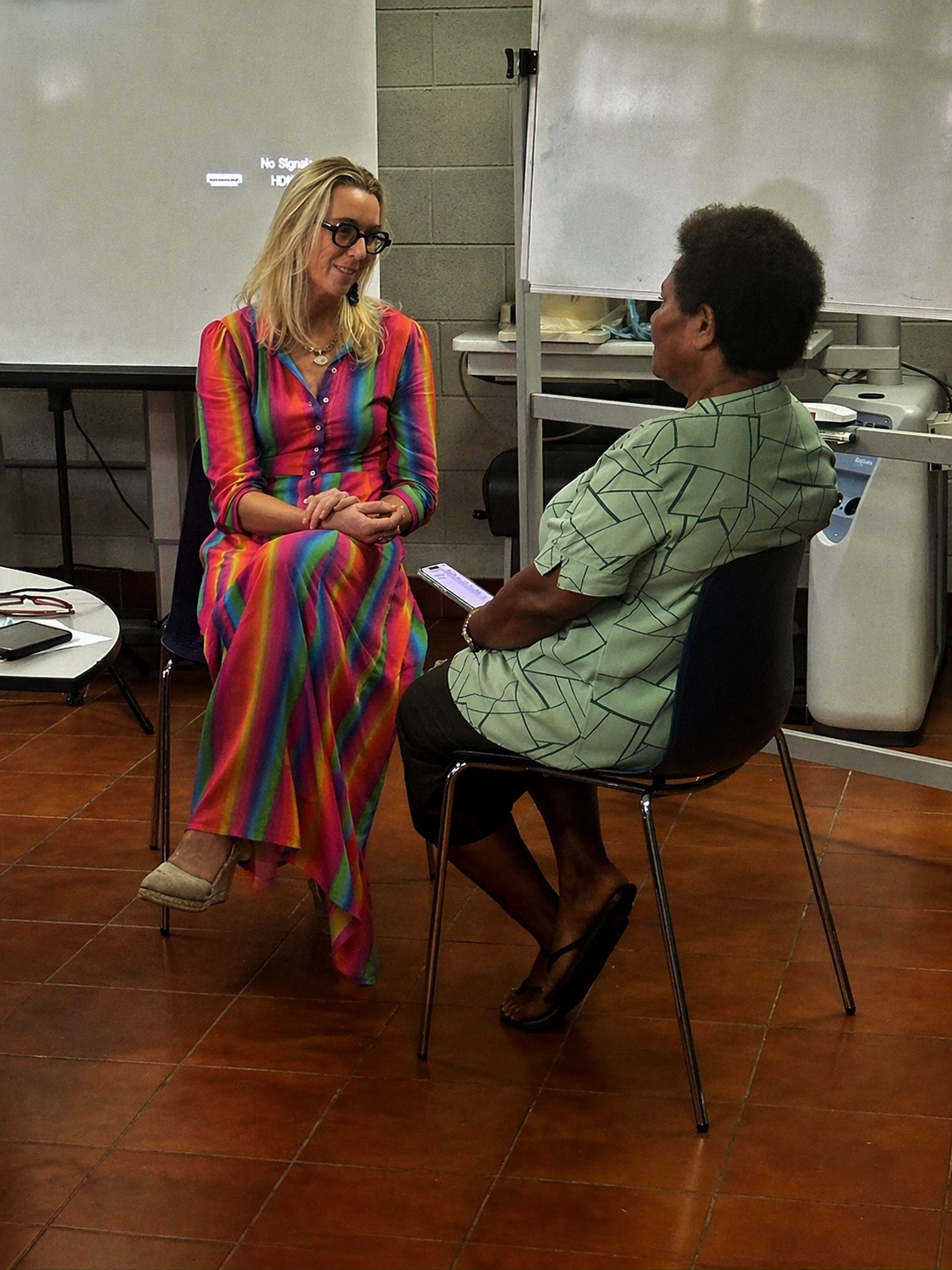
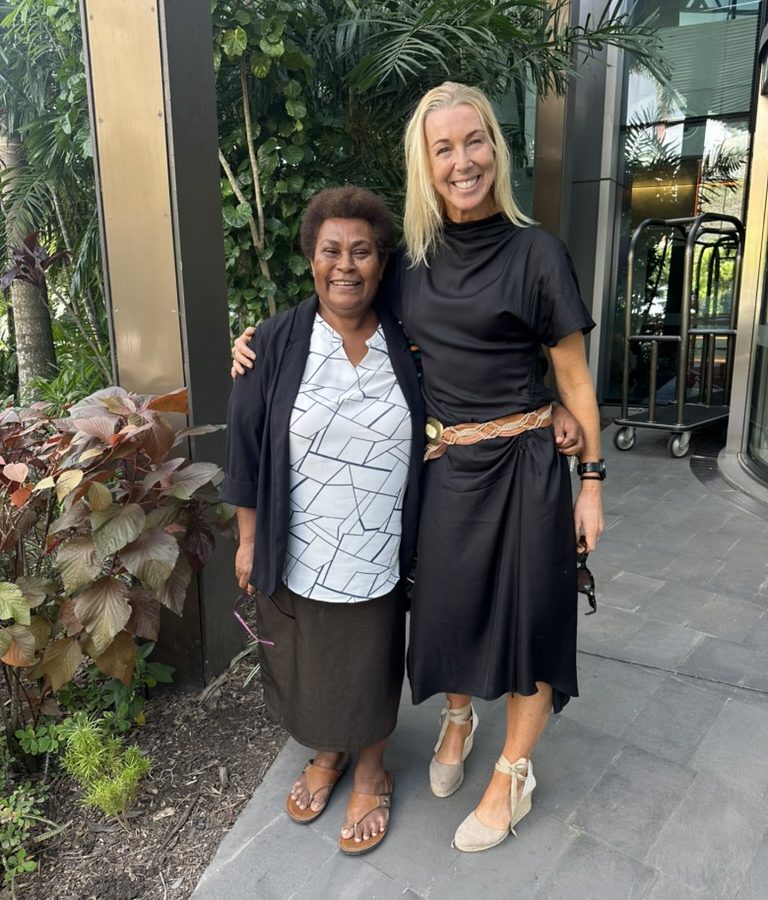
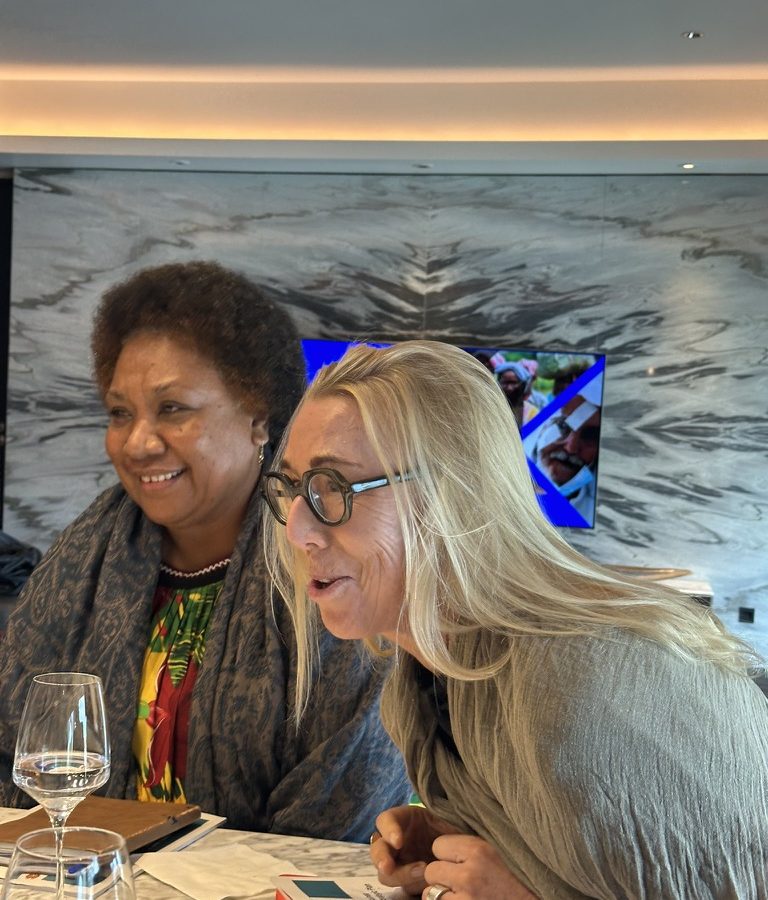
A powerful and deeply personal exchange between Dr Caroline Casey, President of the IAPB, and Dr Jambi Garap, President of the National Prevention of Blindness Committee, explored both the progress PNG has made and the realities that women continue to face. The discussion moved beyond abstract policy into lived experience, from leadership pathways to the structural and cultural barriers that shape women’s participation in the workforce and access to services. Two words shaped much of the discussion: ‘being intentional’.
This session forms part of a broader regional effort led by Louisa Syrett and the team from The Fred Hollows Foundation, building on the Pacific Pathways meeting in Fiji and carrying through to Women Deliver in Melbourne next week, where eye health will be strongly represented. Dr Caroline Casey, Dr Jambi Garap, and other Pacific women leaders will continue this conversation on a global stage.
Importantly, this work reflects a shift from recognising gender inequities to actively addressing them within health systems.
The private sector: An untapped force
The private sector roundtable represented a step change, a first in bringing non-health private sector leaders into the eye health agenda in PNG.
Bringing together leaders from outside the eye health space, the discussion explored how public–private collaboration can support national priorities, from service delivery to supply chains and financing. As highlighted, eye health is not only a health issue – it intersects with productivity, workforce participation, and broader economic development.
Notably, the group comprised entirely women leaders. This was not by design, but it was telling. It reflected both the strength of leadership in PNG and the opportunity to connect gender, economic participation, and health in a more deliberate way.
The discussion reinforced a key point: achieving scale will require engagement beyond the health sector, drawing on partnerships that can unlock new resources, innovation, and delivery models.
Leadership in practice
Across all three sessions, a consistent theme emerged.
PNG is not approaching eye health as a standalone issue. It is treating it as part of a broader system, connected to economic growth, workforce development, gender equity, and national planning.
This is precisely the kind of approach that the 2026 Global Summit for Eye Health is designed to accelerate: government-led, system-level commitments that are credible, financed, and accountable.
PNG is not only well positioned to make such commitments; it is already showing what they can look like in practice.
Looking ahead
The work does not end here. The coming months will focus on refining commitments, engaging across government, and identifying pathways to implementation and financing.
But if this week demonstrated anything, it is that PNG is not just participating in the global eye health agenda. It is helping to shape and lead it.