


Join the Leading Global Eye Health Alliance.
Membership-
Choose an alternate language here
- Membership
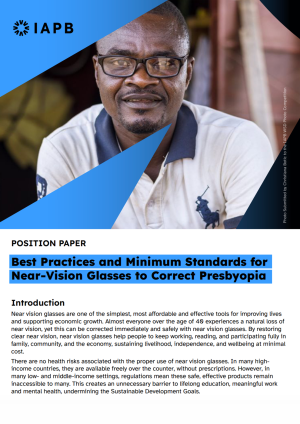
Best Practices and Minimum Standards for Near-Vision Glasses to Correct Presbyopia.
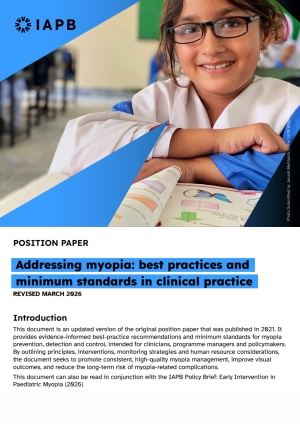
Addressing myopia: best practices and minimum standards in clinical practice
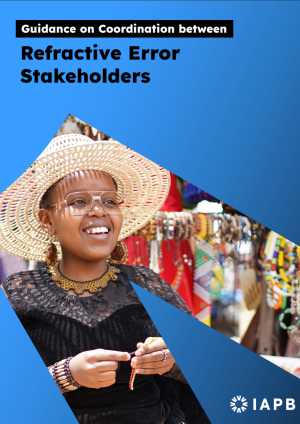
Coordination is the strategic multiplication of effort, aligning priorities, resources, and innovation so that collective action delivers greater impact.
The statement is delivered by International Agency for the Prevention of Blindness
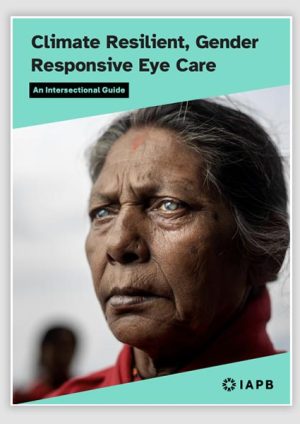
This document is a practical guidance and advocacy tool for advancing integrated action on climate and eye health, ground in an intersectional gender equity approach.
This toolkit is designed to allow eye health programmes and facilities to assess their vulnerability to climate change.
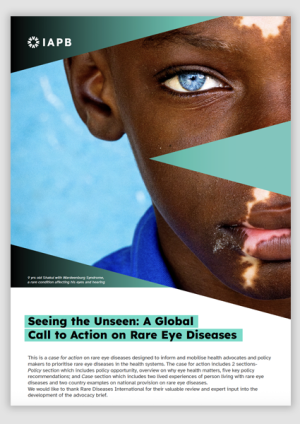
This is a case for action on rare eye diseases designed to inform and mobilise health advocates and policy makers to prioritise rare eye diseases in the health systems.
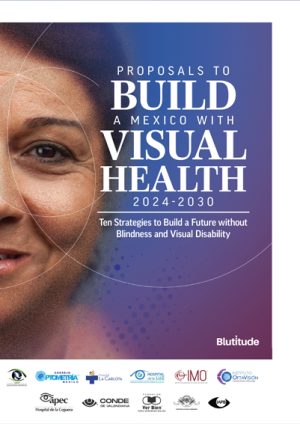
This document outlines clear and achievable strategies to strengthen health systems, improve access to quality services, and ensure that eye health is recognized as a priority in the public health agenda.
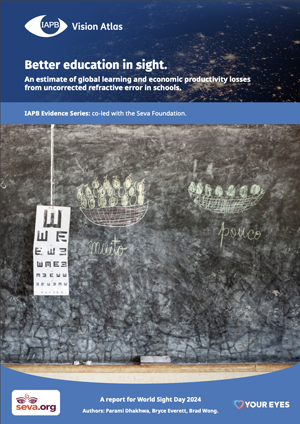
In our new report for World Sight Day, co-led by Seva Foundation, we make a first attempt to estimate the global loss of learning from uncorrected refractive error in schools.
The Summary guide on quality standards for spectacles simplifies global quality standards and provides practical guidance on best practices for dispensing spectacles.
The Competency-based refractive error teams (CRET) tool, developed by the World Health Organization (WHO), is a practical resource designed to support the delivery of high-quality, team-based refractive error services.
This handbook provides practical guidance to support the establishment of sensory screening programmes for school-age children.