


Join the Leading Global Eye Health Alliance.
Membership-
Choose an alternate language here
- Membership
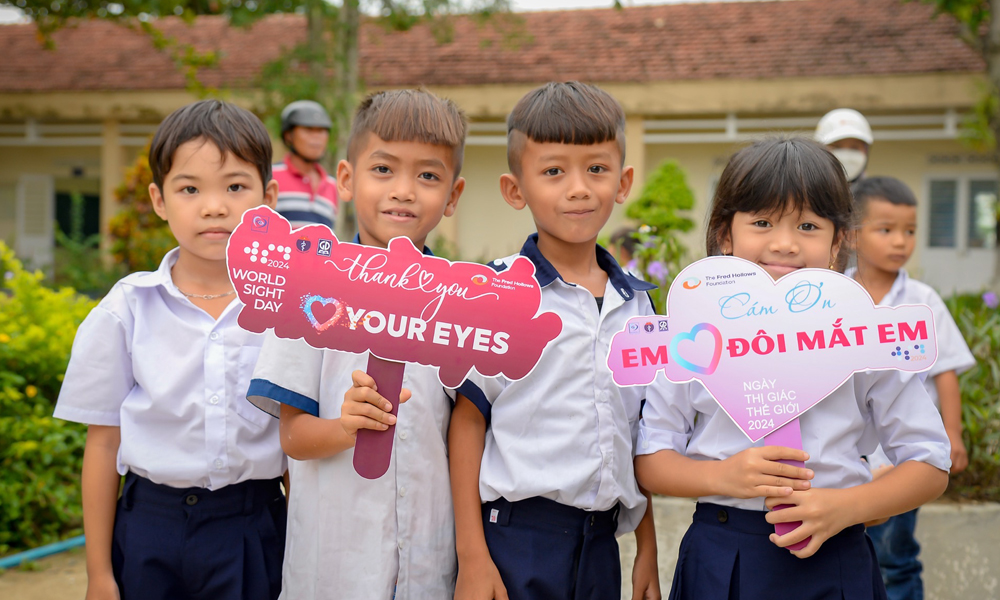
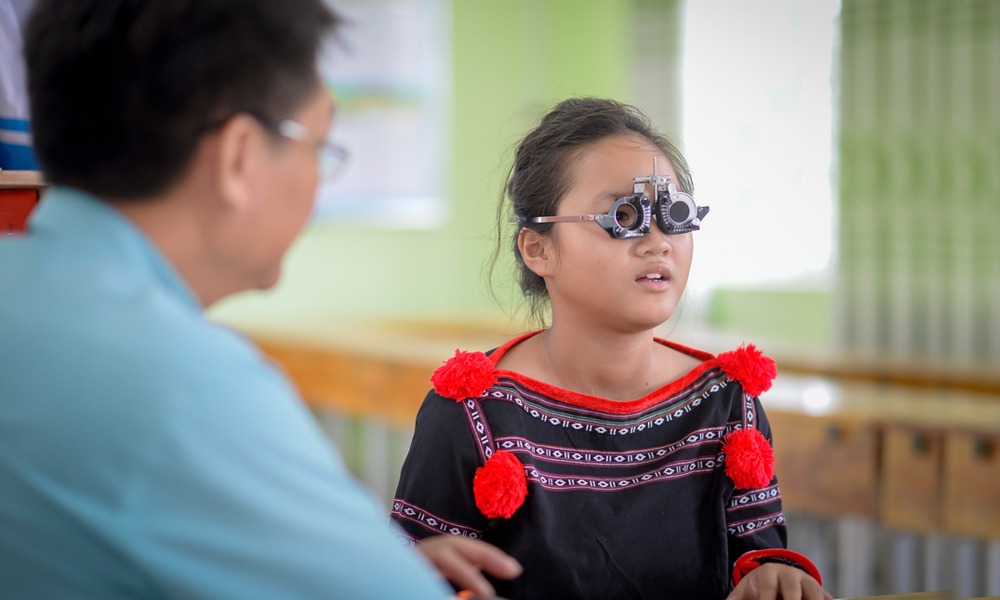
Since 2016, The Fred Hollows Foundation (FHF) Viet Nam has partnered with the Ministry of Education and Training and the Ministry of Health to embed school eye health into the fabric of how Vietnam supports its students, not as a project but as a sustainable national system.
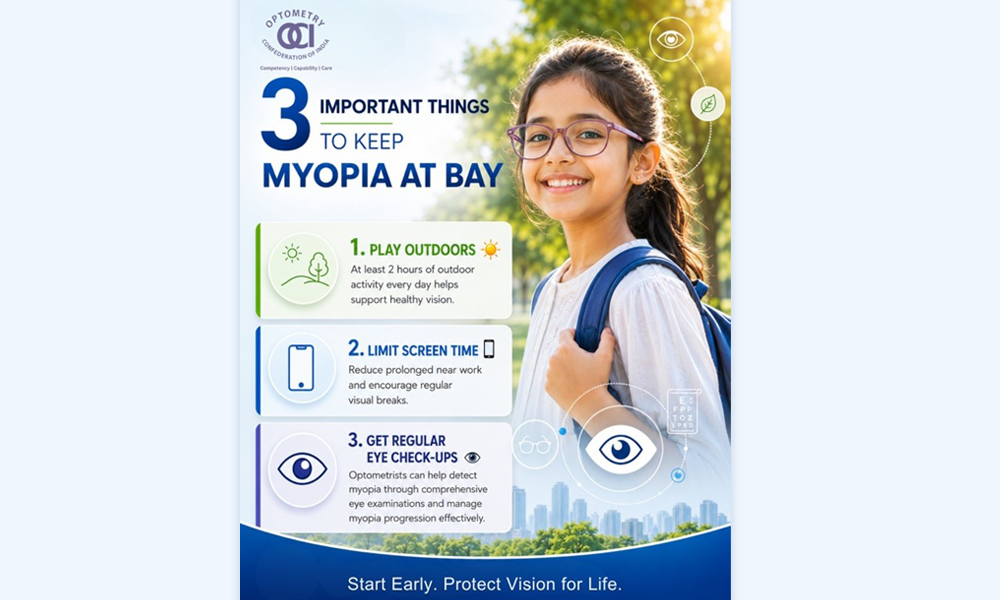
The initiative began with a clear need. Many children with vision problems went undetected until their sight had already deteriorated. Myopia affects learning, confidence, and long-term wellbeing. FHF’s advocacy focused on a clear goal: moving school eye health from isolated activities into the formal responsibilities of the education and health systems.
Building the Policy Foundation
A landmark milestone came with formalization into national regulations, which made vision screening one of five mandatory health checks for students nationwide. In 2017, the Ministry of Health approved the National School Eye Health Guidelines, creating a consistent framework for screening, referral, treatment, and communication. Eye health was further embedded in the 2018 General Education Curriculum and in key national policy documents, including the School Health Care Program for 2021–2025 , ensuring children’s vision is recognised as essential to learning and development at the highest levels of government.
Reaching Children at Scale
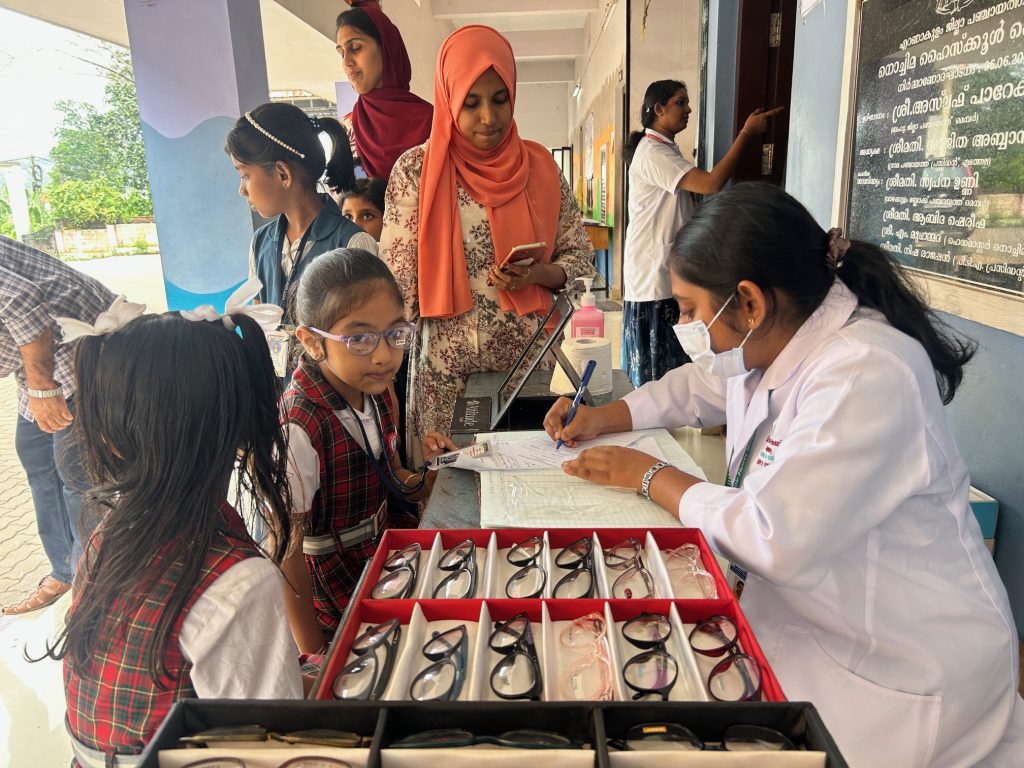
Nearly 19,407 teachers and school health staff were trained in eye care and monitoring, and around 10,984 school screeners were equipped using national guidelines. To address equity, over 27,560 students received free eye examinations and 12,190 pairs of spectacles were provided at no cost to children from poor or near-poor families.
What Made It Work and What Remains
Success came from sustained political commitment, evidence-based advocacy, and working with existing government systems rather than around them. Challenges remain such as local funding gaps, staff turnover, screening quality, and limited parental awareness all require continued attention.
Vietnam’s experience shows that early detection works best as part of a national system. Schools are a powerful platform, but with trained staff, clear guidelines, referral pathways, and supportive policies. When governments, health providers, schools, and partners align, protecting children’s vision becomes not just possible, but sustainable.