


Join the Leading Global Eye Health Alliance.
Membership-
Choose an alternate language here
- Membership
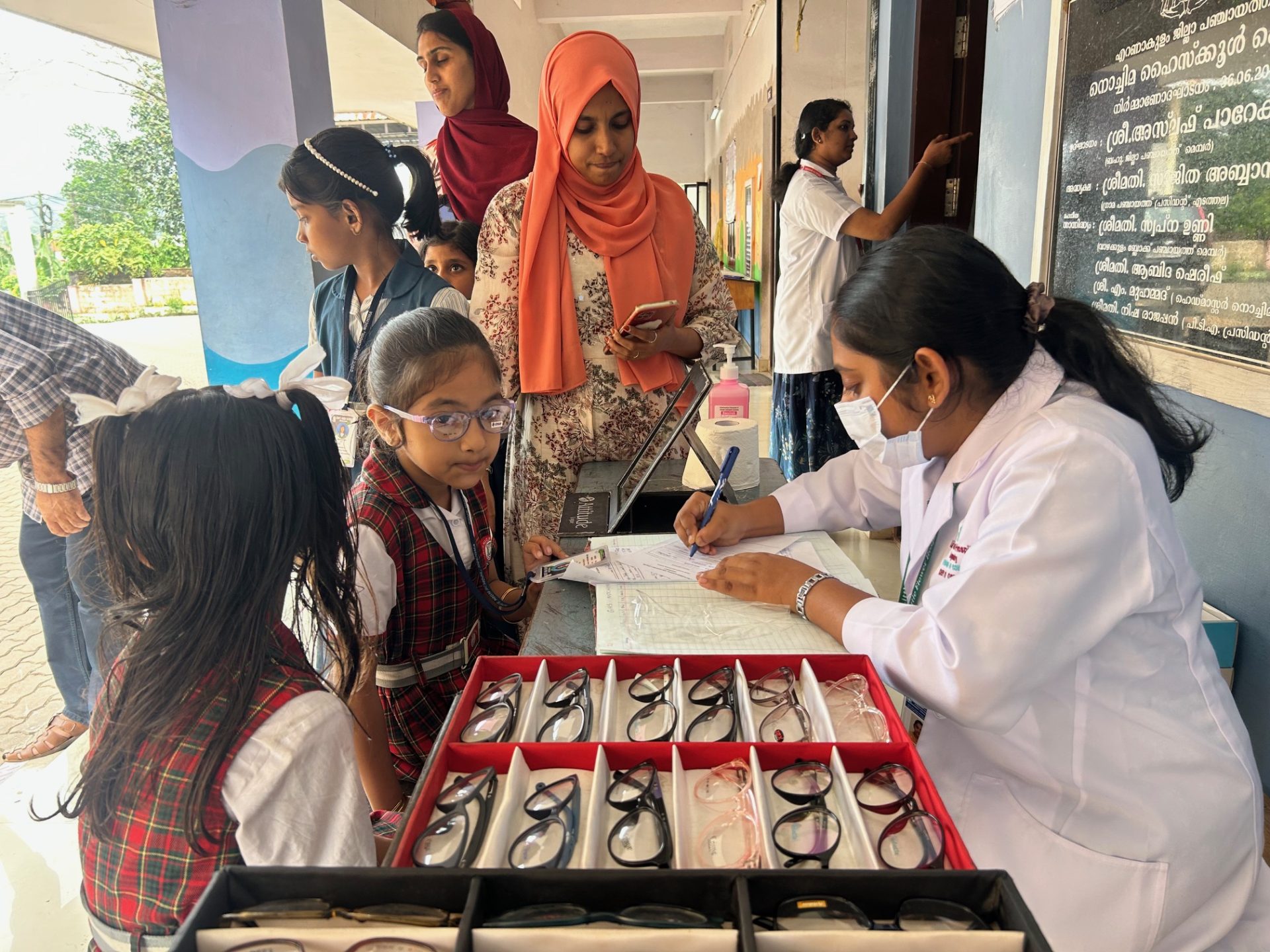
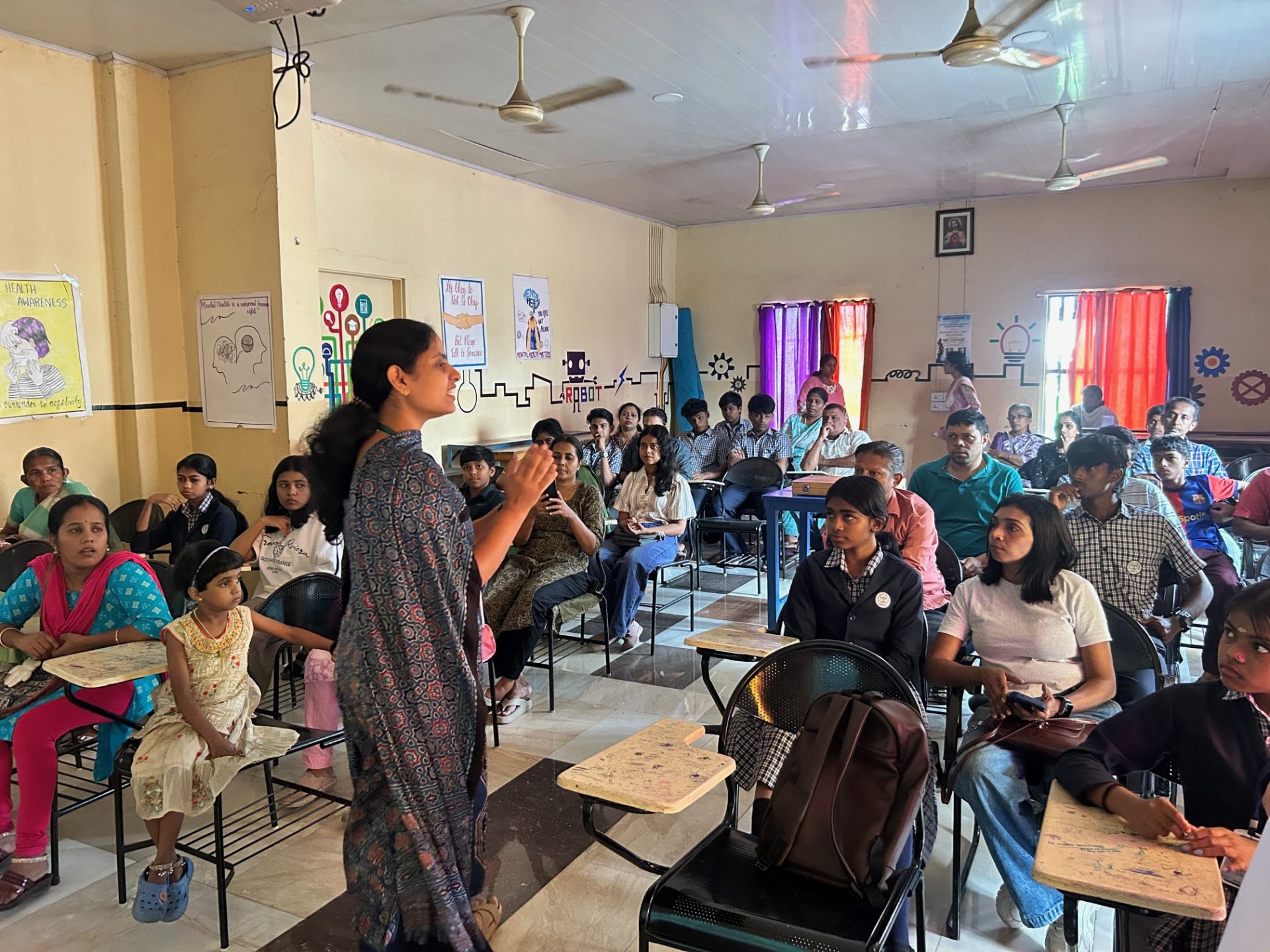
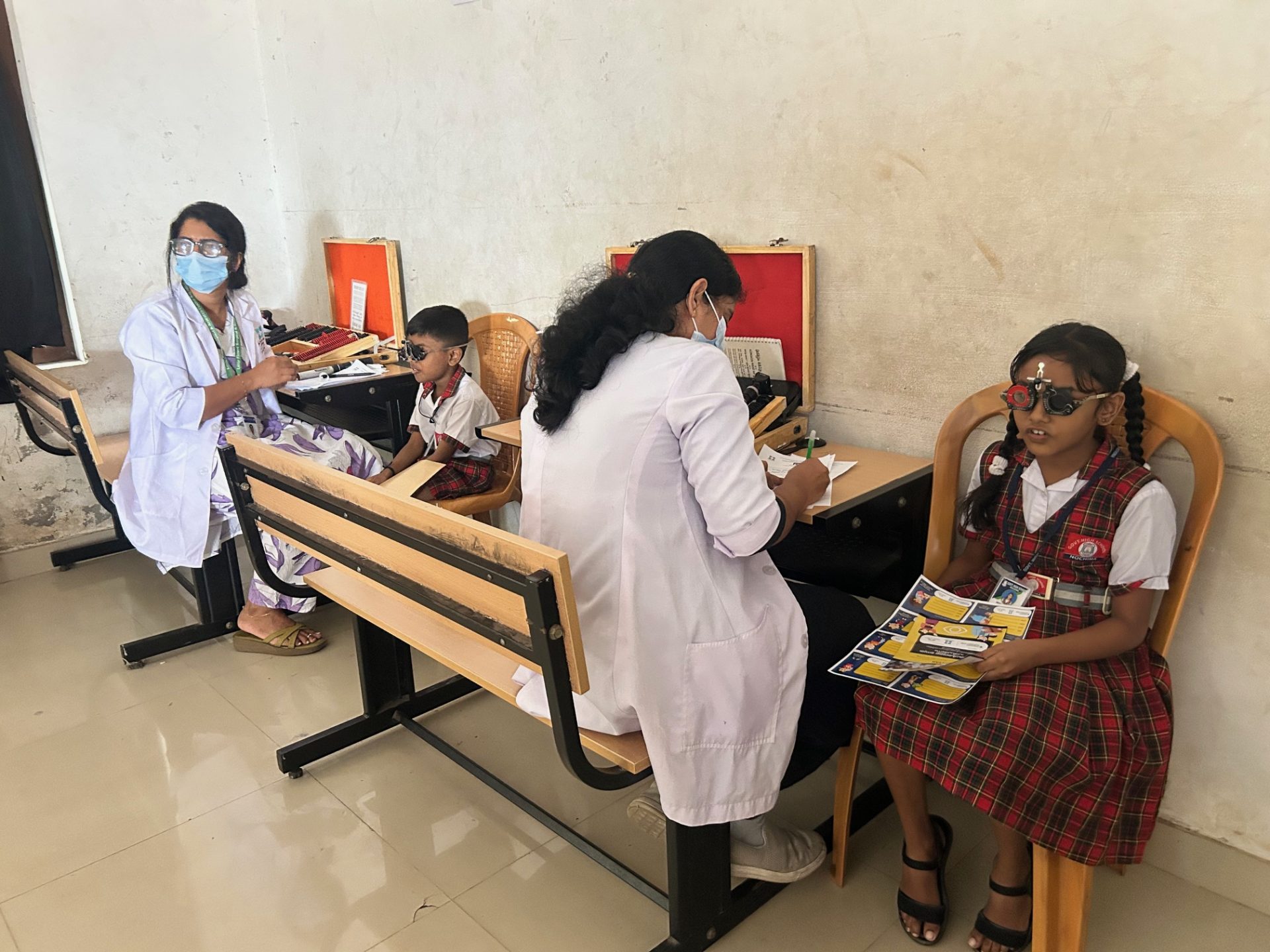
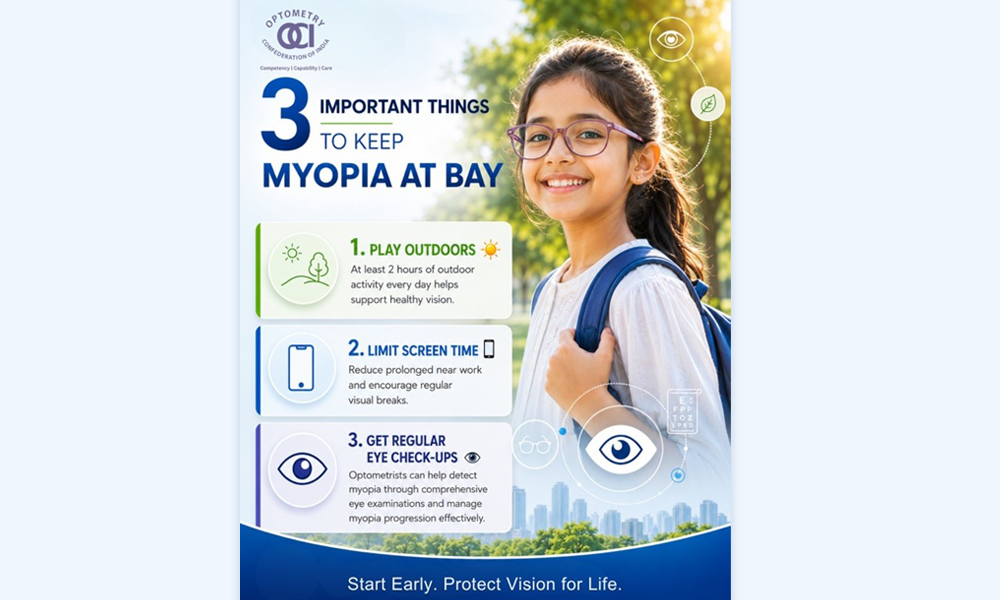
A child’s blurry vision can often go unnoticed. In Kerala, South India, eye health is important as communities adapt to modern educational demands. With myopia prevalence among students exceeding 39%, a reflection of the state’s high literacy rates and modern screen-use trends, ensuring clear vision for every child is a priority. Recognizing that traditional, short-term school eye health programmes often faced logistical hurdles in scheduling, specialized paediatric training, and systematic follow-ups, local leaders enabled a more permanent solution.
Mission for Vision (MFV) and Little Flower Hospital & Research Centre (LF) partnered in 2023 to establish a comprehensive, district-wide framework in Ernakulam.
Getting the Right People on Board
Working in Ernakulam district, MFV and LF, supported by Cognizant Foundation and in parnership with local systems, built their initiative around functionaries who had significant influence: the District Programme Coordinator, the District Medical Officer, and government optometrists. They collaborated well, aligning the programme with the National Programme for Control of Blindness and Visual Impairment.
The strategic pillars that guided the approach included LF’s established track record in comprehensive eye health systems, evidence-based case for action, alliance-building through alumni networks within government, capacity building for government optometrists and sustained parental engagement. Together, these fostered a productive partnership.
From Permission to Practice
The results were tangible.The District Health Administration enhanced the management of school scheduling, ensuring consistent cooperation from schools and the education department. Accredited Social Health Activist workers and government staff conduct regular follow-up calls and visits, improving spectacle compliance and surgical referral rates. Perhaps most significantly, dilated refraction at school level, once a point of contention is now a recognised, supported protocol, enabling higher-quality paediatric outcomes.
The key challenge, on-site pupil dilation causing temporary blurred vision, was overcome through professional dialogue between clinicians and government optometrists, and in communication with parents and school authorities.
Lessons for Early Intervention
Our experience points to three durable lessons. First, storytelling matters. Sharing cases of unilateral vision loss helped stakeholders grasp how children often don’t know what they’re missing until it’s too late. Second, linking vision to learning outcomes, not just health, makes the case more compelling to educators and policymakers alike. Third, mandatory, structured screening before school entry and annually thereafter, is the only reliable way to catch problems early enough to matter.
When vision care is embedded in government systems rather than run alongside them, it enables lasting change.