


Join the Leading Global Eye Health Alliance.
Membership-
Choose an alternate language here
- Membership
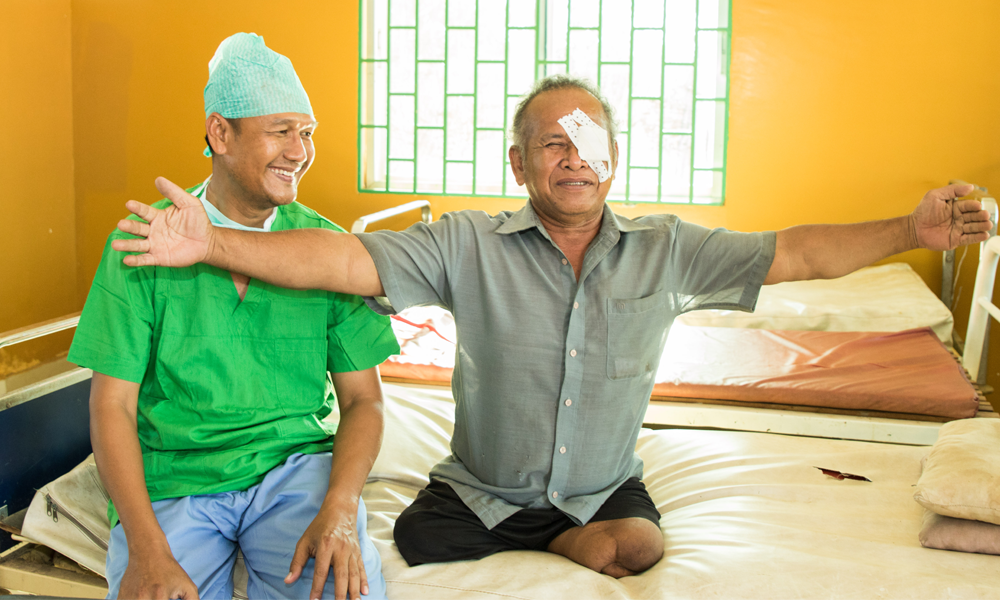
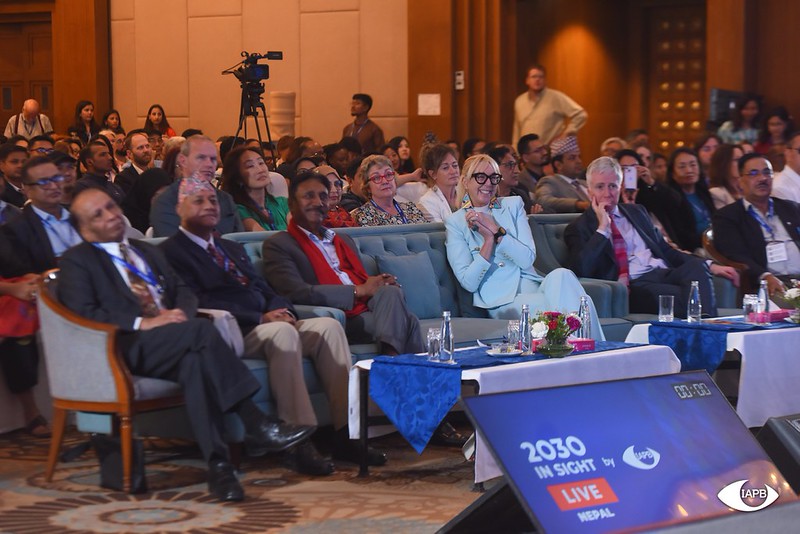
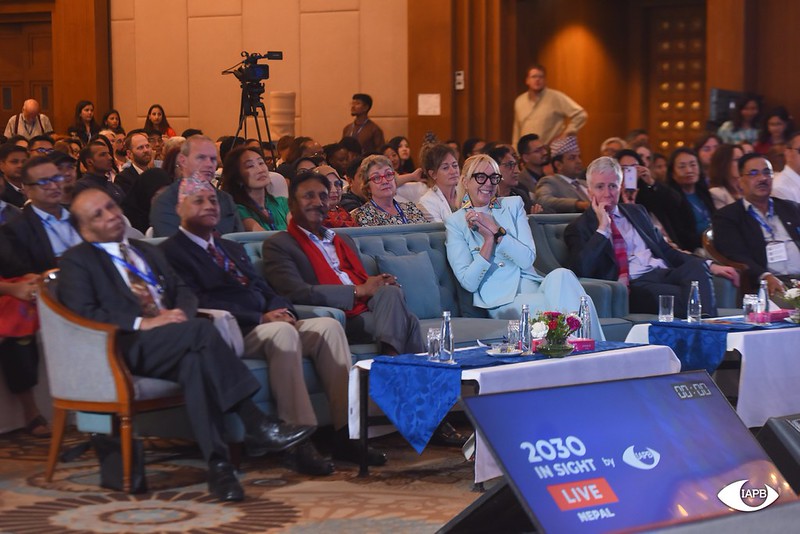
As we mark the International Day of People with Disability (IDPwD) on 3 December – and reflect on this year’s UN Enable theme, “Fostering disability inclusive societies for advancing social progress” – this is an opportune moment to share more about the IAPB Disability Inclusion Member Engagement Group, which formed earlier in the year at 2030 INSIGHT LIVE in Kathmandu and to encourage others across the eye health sector to join us.
Chaired by Jonathan Craig (Vision 2020 Australia), Danny Haddad (CBM Global) and Lisa Johnson (The Fred Hollows Foundation), the group brings together members from organisations across the sector with one shared aim: to ensure that disability inclusion becomes integral to eye care.
Behind every statistic is a person – and today, 1 in 6 people worldwide (16% of the global population) live with significant disability (WHO Global Report on Health Equity for Persons with Disability). At the same time, 2.2 billion people experience vision impairment or blindness, over 1 billion of which could be prevented or treated (WHO World Report on Vision). Without action, these numbers will rise due to ageing populations and the growing burden of chronic disease. We know that when eye health services are accessible to everyone, they change lives – opening doors to education, work, participation, and inclusion. We also know that people with disabilities face more barriers than others in the population in accessing health services, including eye health services, meaning that they are more likely to be left behind.
Article 25 of the United Nations Convention on the Rights of Persons with Disabilities – ratified by almost all UN states – recognises “the right to the enjoyment of the highest attainable standard of health without discrimination on the basis of disability”. Sub-paragraph (b) further highlights the importance of “services designed to minimise and prevent further disabilities, including among children and older persons”.
There is robust evidence for the value of improving access and promoting independence of people with disabilities. The 2025 Global Disability Inclusion Report reports that the under-employment of people with disabilities is estimated to cost up to 7 per cent of GDP in low- and middle-income countries, with even larger economic losses arising from unpaid care, most of which is carried out by women and girls.
According to the 2024 UN Flagship Report on Disability and Development, “persons with disabilities are 15 times more likely to rate their health as bad or very bad and seven times more likely to lack access to healthcare when they need it” when compared to persons without disability. These inequities may help explain the WHO World Report on Vision conclusion that people with additional health conditions exhibit a substantially higher likelihood of vision impairment. Even in high income countries, such as the United States, the Centre for Disease Control (CDC), reports that people with non-vision related disabilities are 15-20 times more likely to report blindness or difficulty seeing.
Our purpose: We believe inclusive eye health is a fundamental right and a catalyst for a more equitable, healthy, and thriving world. We cannot eliminate avoidable vision loss if our services are not accessible to the 16% of the world’s population that live with disability. This working group will serve as a collaborative space where members can share knowledge, amplify lived experience, and challenge each other – and the sector – to think and act more inclusively.
We’ll work together to:
Our first priorities include:
Join us! If you’re an IAPB member and want to help make eye health disability inclusive, we’d love for you to be part of this journey. Whether you bring lived experience, technical expertise, or simply a passion for disability equity and rights, your contribution will help shape a future where no one is left behind.
To join the group or learn more, contact Lisa Johnson at ljohnson@hollows.org
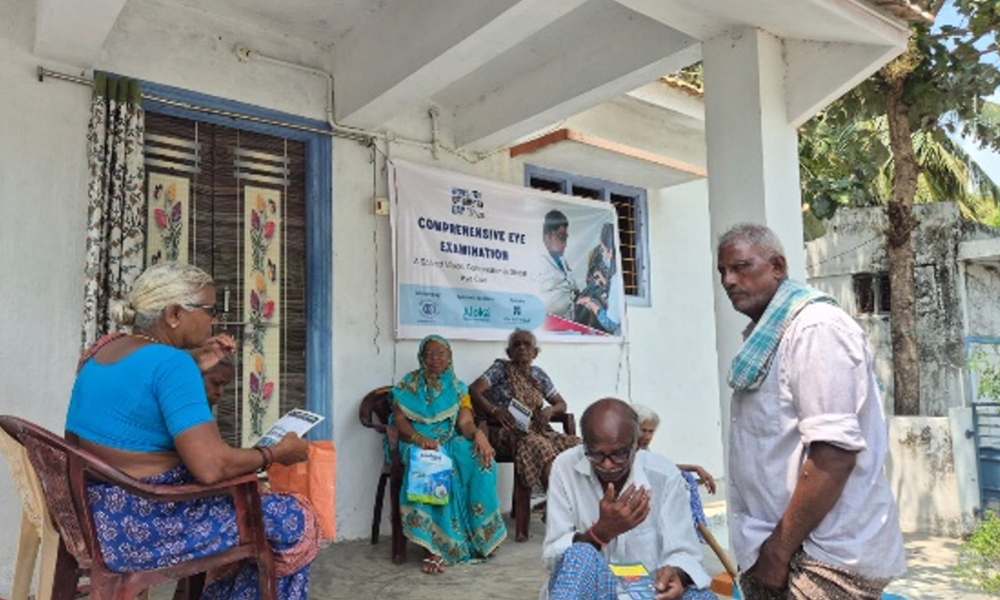
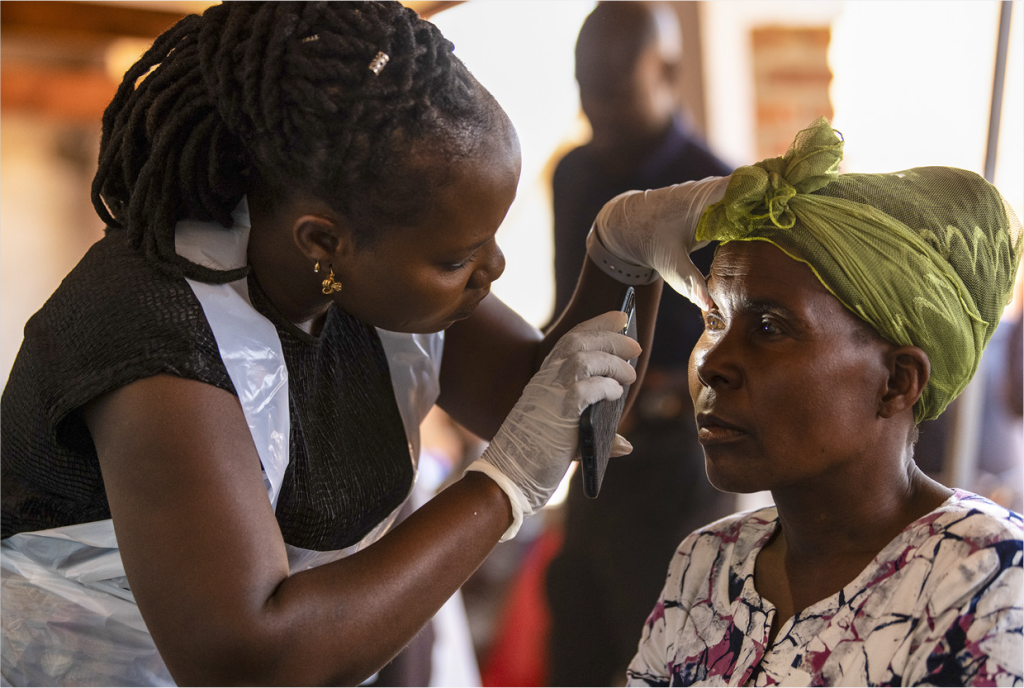
Photo Credit: Mary Tran of The Fred Hollows Foundation
HOW TO CONVINCE YOUR BOSS TO SEND YOU TO 2030 IN SIGHT LIVE KENYA