


Join the Leading Global Eye Health Alliance.
Membership-
Choose an alternate language here
- Membership
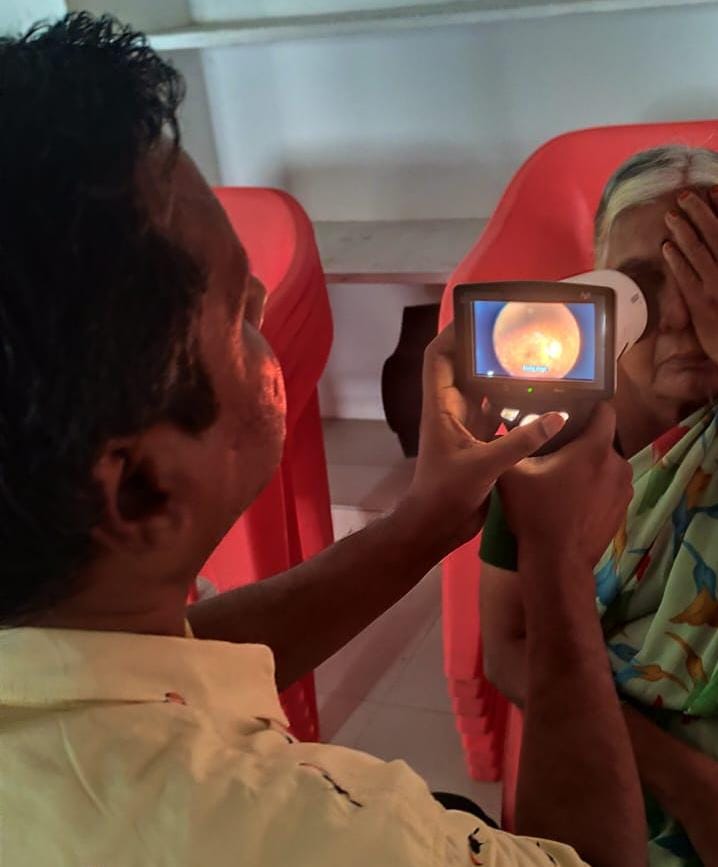
At 82, Ramaswamy had learnt to ration his eyesight.
Each visit to the eye hospital meant arranging an escort, enduring crowded transport, waiting for hours for an eye pressure check, retinal evaluation, cataract assessment or even a simple change of glasses. By the time he returned home, he was exhausted—and often unsure whether the effort was worth repeating. Like many elders, he postponed care, not because it was unnecessary, but because it was overwhelming.
When a comprehensive eye examination by an optometrist finally reached his doorstep, the difference was immediate. Eye pressure was measured, the retina examined, cataract status reviewed and his spectacles updated—all in the familiarity of his living room. The following morning, he read his newspaper again, fulfilling a long-held wish he had quietly set aside.
Such moments point to a deeper truth about eye care in an ageing India.
In 2020, after nearly 26 years in institutional optometric practice, an optometrist stepped away from routine professional life to care for his ageing parents. What began as a personal decision soon evolved into a quiet but powerful rethinking of how eye care reaches those who need it most.
Elderly relatives first requested eye check-ups at home. Neighbours and friends followed. Before long, the very people receiving care became its strongest advocates—vision ambassadors—encouraging others to seek eye examinations without the ordeal of travelling to hospitals.
The experience exposed a persistent reality. While India is home to world-class eye hospitals, access—not availability—remains the real challenge. For elders and vulnerable populations, hospital visits often involve dependence on caregivers, difficult travel, long waiting hours, inaccessible restrooms, managing meals outside home and recurring expenses. These barriers frequently delay or prevent timely eye care, even when vision loss affects daily functioning.
An Ageing India, a Growing Vision Burden
India is ageing rapidly. People aged 60 years and above currently account for about 12% of the population, a figure projected to rise to nearly 22% in the coming decades. With age comes a sharp increase in vision impairment due to common conditions such as cataract, uncorrected refractive errors, glaucoma, diabetic eye disease and age-related macular degeneration.
For many older adults, the solution does not lie in complex procedures but in regular eye examinations, early detection and timely optical correction. Yet these essential services remain out of reach for many precisely because those who need them most are least able to travel.
Technology Takes Eye Care to the Home
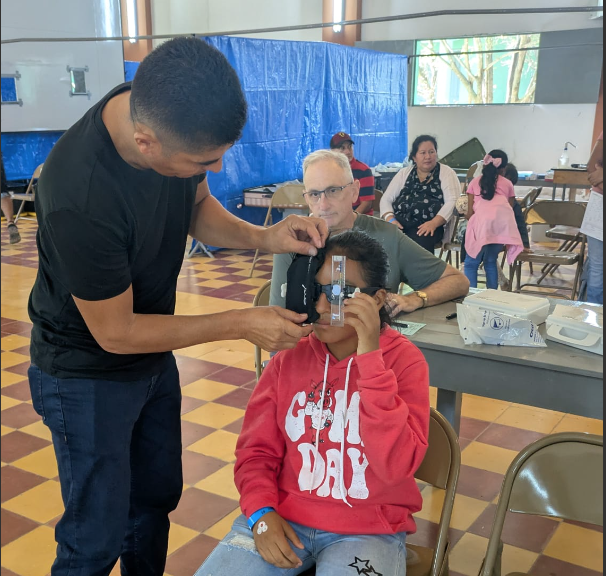
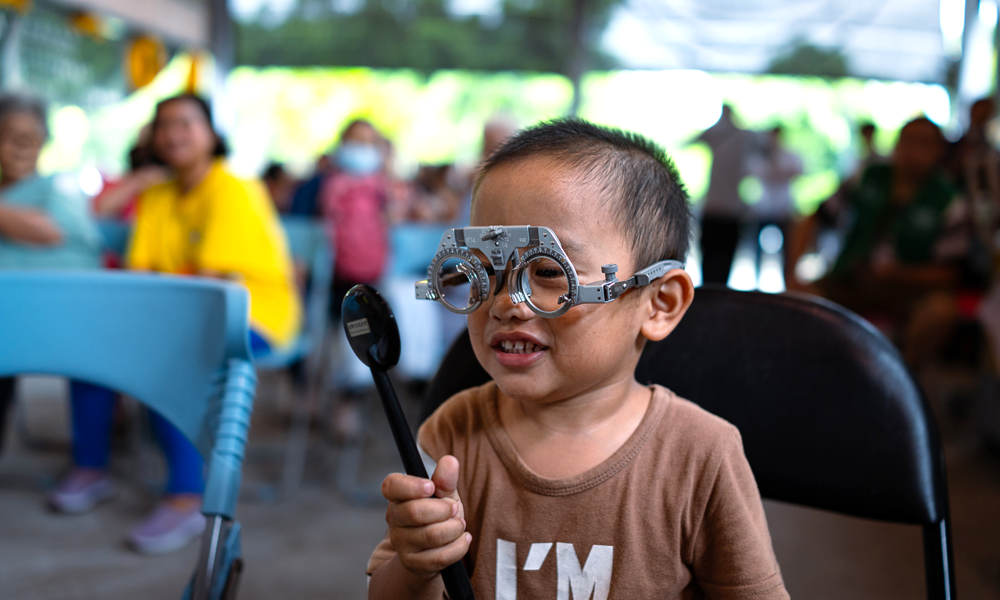
Advances in portable, technology-enabled eye care equipment have transformed what can be delivered outside hospital walls. Eye power assessment, eye pressure measurement and detailed examination of both the front and back of the eye can now be performed reliably in a patient’s home.
The benefits go beyond convenience. Care delivered in familiar surroundings is less stressful, more empathetic and better accepted, especially by elders, persons with disabilities, the intellectually challenged and individuals with multiple health conditions. By removing the journey to the hospital, doorstep eye care eliminates the single greatest barrier to access.
The Optometrist at the Centre of Doorstep Care
Central to this model is the optometrist—the primary eye care provider and first point of contact in the eye health system. Trained to assess vision, detect early eye disease, follow-up care, manage refractive, binocular vision disorders, and common basic eye conditions, provide low vision care and identify conditions requiring referral,optometrists are uniquely equipped to deliver comprehensive eye care at the community level.
Optometric care is inherently preventive, mobile and people-centred. With portable diagnostic tools, an optometrist can safely and effectively manage a large proportion of eye care needs at home, while maintaining strong referral linkages for surgical or specialised treatment when required. Experience from doorstep programmes shows that nearly 60–70% of individuals examined can be managed entirely at the primary care level, significantly reducing unnecessary hospital visits.
This makes doorstep eye care particularly well suited to independent optometry practice. Individual practitioners, embedded within communities, often bring continuity of care, trust and a deeper understanding of patients’ functional visual needs—especially among elders, persons with disabilities and workers in the unorganised sector. Far from fragmenting care, this model strengthens the continuum: the optometrist as the first examiner, hospitals as referral centres, and the community as an active partner in eye health.
A Community Model Rooted in Dignity
Recognising this need, Chennai`s TwinTech Healthcare Services initiated a structured doorstep eye care programme focused on the truly underserved. Under this initiative, eye care services are provided free of cost to elders and other vulnerable groups.
The model thrives on collaboration. The eye care provider contributes professional services voluntarily. The academy coordinates logistics and connects providers with beneficiaries. The beneficiaries themselves become partners—spreading awareness, identifying others in need and supporting future initiatives by sponsoring spectacles, assisting with transport costs or linking old-age homes and care shelters with the programme.
The impact has been tangible. for the past 4 years we have serviced 4012 Patients and In 2025 alone, the initiative reached 1,339 individuals over 109 service days. About 33% were elders, 12% were Veda Patashala students, 12% were psychologically challenged adults in asylum centres, with the remainder comprising workers from the unorganised sector and students. Notably, 421 individuals received spectacles free of cost, restoring functional vision and independence.
Beyond routine care, select beneficiaries also received doorstep low vision services, including appropriate low vision devices. For individuals with irreversible visual loss, this meant improved ability to read, move independently and manage daily activities—leading to a meaningful improvement in quality of life.
From Innovation to National Practice
Doorstep eye care is no longer an isolated experiment. Institutions such as Sankara Nethralaya (Chennai) and L V Prasad Eye Institute (Hyderabad), along with optical chains like Lenskart and Lawrence & Mayo, have integrated home-based eye testing into their service models.
Eye hospitals largely focus on elders and persons with disabilities, often incorporating teleconsultation and referral pathways for advanced care. Importantly, experience shows that a majority of individuals examined at home do not require referral, reinforcing the value of strong primary eye care delivered closer to communities.
A Public Health Imperative
As India’s elderly population grows, so will the burden of age-related eye disease. Meeting this challenge requires strengthening primary eye care, with optometrists playing a central role beyond clinic walls.
Doorstep eye care is no longer a charitable add-on or pilot project. It is a public health necessity, particularly suited to independent optometry practice within an integrated referral framework. By taking vision care to the homes of those who need it most, India moves closer to the goal of reaching the unreached.
In the quiet smile of an elder who can see clearly again lies a powerful truth: accessible eye care begins not in hospitals, but in homes and communities—one doorstep at a time.