





Join the Leading Global Eye Health Alliance.
Membership-
Choose an alternate language here
- Membership
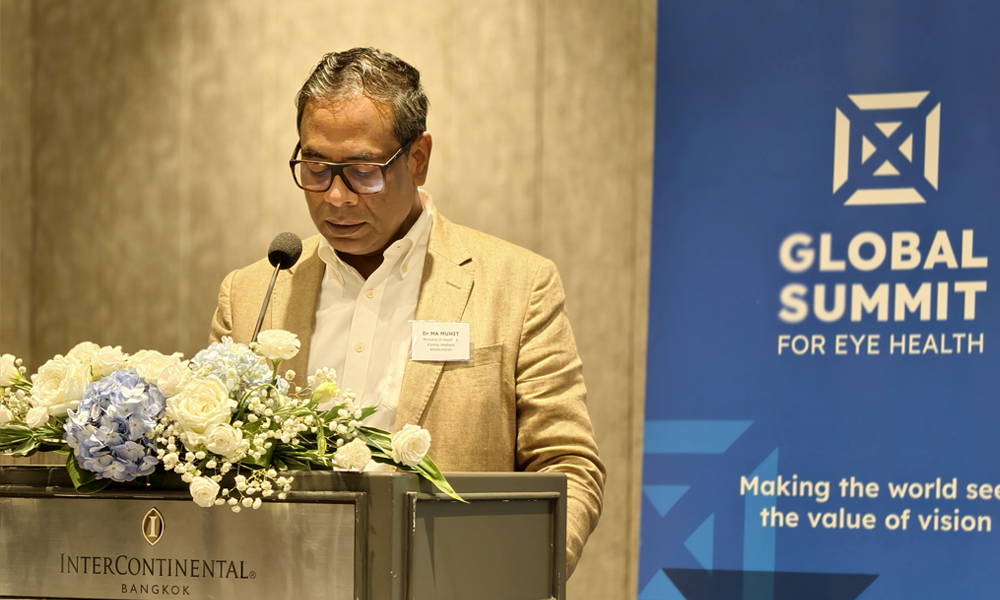
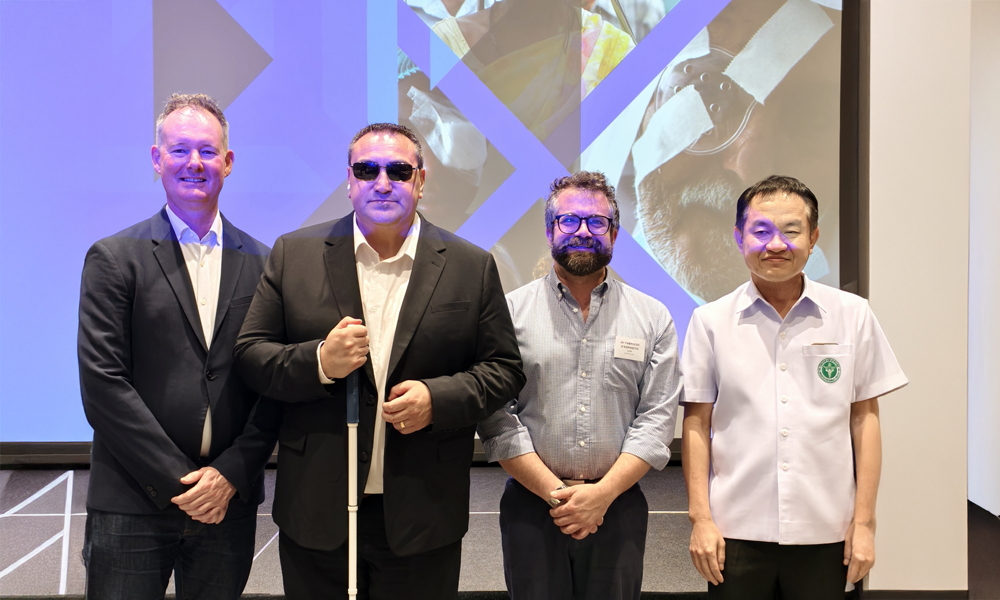
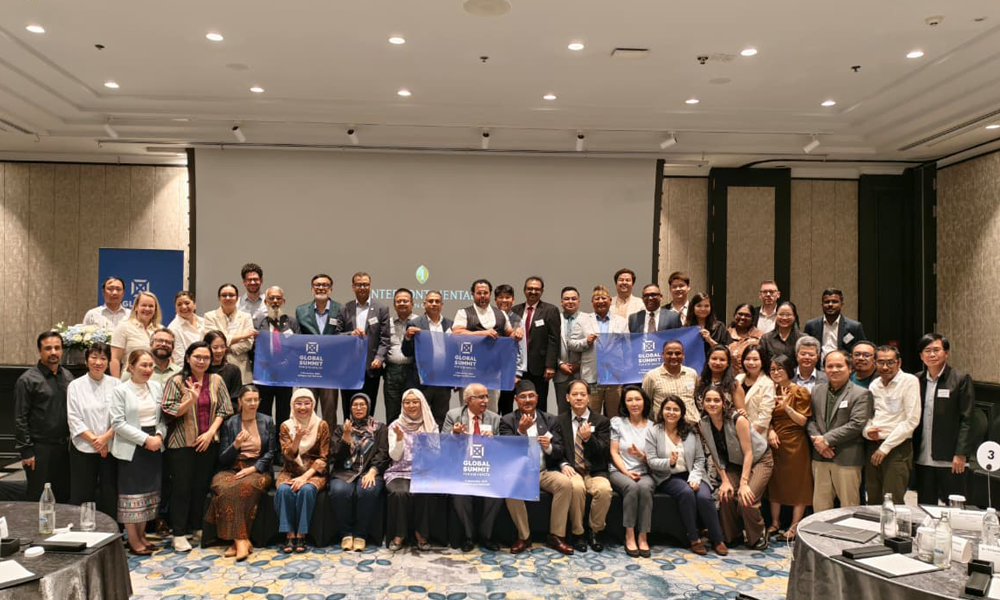
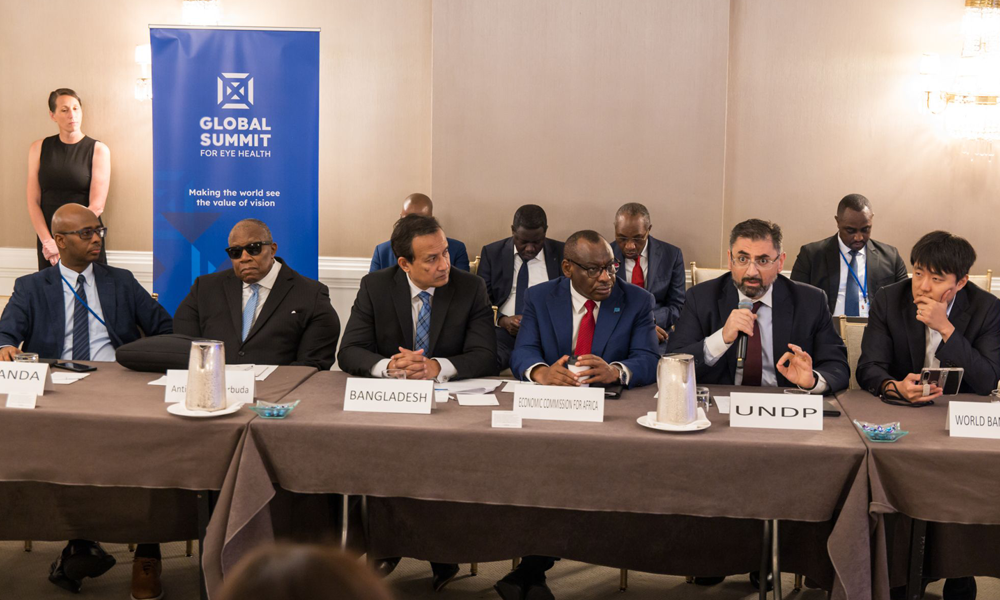
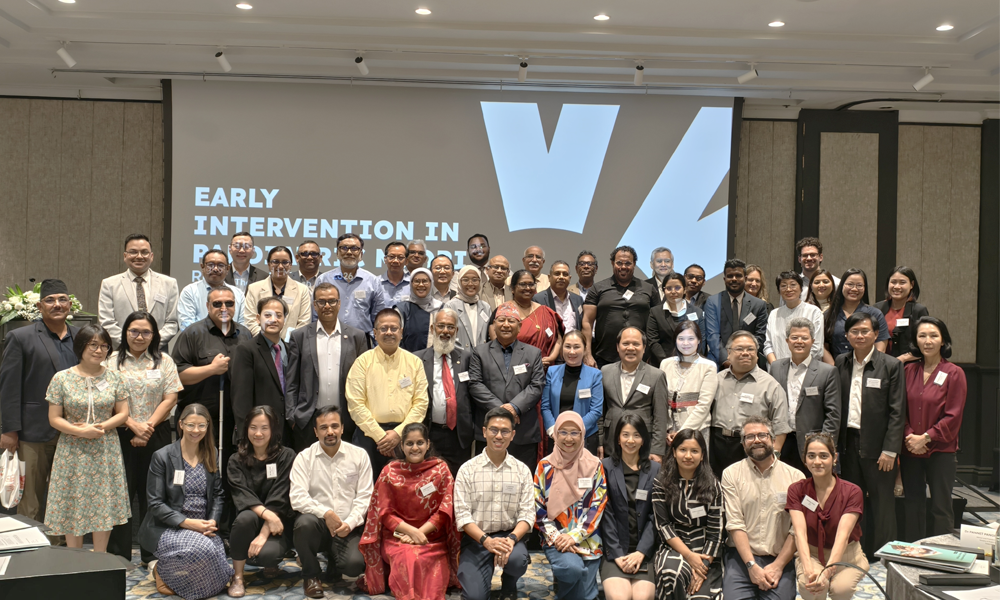
Bangkok, Thailand, 1, April 2026: Seventy leaders from government; including the State Health Minister of Bangladesh, Dy. Director General of the Ministry of Public Health, Thailand, representatives from development partners and WHO, and members of the global eye health community; convened at the South Asia and Western Pacific Regional Consultation, organised by IAPB, to advance the transition from evidence to action ahead of the forthcoming Global Summit for Eye Health.
Building on a shared commitment to address avoidable blindness and sight loss, the consultation focused on translating strong evidence and economic arguments into practical, country-led commitments. Discussions highlighted the urgent need to strengthen health systems, scale investment, and embed eye health within broader national development and universal health coverage (UHC) agendas.
Participants explored the compelling investment case for eye health, recognising its far-reaching economic, social, and human development benefits. With over one billion people globally living with preventable or unaddressed sight loss, the need for coordinated, scalable solutions, remains critical—particularly in low- and middle-income countries across the Southeast Asia and Western Pacific region.
The consultation positioned key conditions such as cataract, presbyopia, and myopia as complementary entry points for reform. These conditions offer countries practical pathways to deliver immediate impact while strengthening service delivery systems, improving workforce capacity, and expanding access to quality care.
Dr. M A Muhit, State Minister for Health and Family Welfare of Bangladesh, underscored the scale of the challenge and the opportunity for transformative action.
“Investing in eye health delivers substantial returns—every USD 1 invested yields approximately USD 28 in economic and social benefits. Eye health is both a public health priority and a valuable development investment.”
He further highlighted the importance of integrated, people-centred approaches:
“Bangladesh identifies eye health as integral to universal health coverage and sustainable development. Vision is essential for education, productivity, dignity, and wellbeing. Through collaborative efforts and strong partnerships, we can ensure that every individual—especially those most in need—can access quality eye care.”
He concluded his remarks by encouraging all nations and partners across the Asia and Pacific region to “advance cooperation, share expertise, and make meaningful contributions to the upcoming Global Summit in November 2026.”
Dr. Pairoj Surattanawanich, Deputy Director General, Department of Medical Sciences, Ministry of Public Health of Thailand, reinforced the human and societal importance of vision, calling for collective global action: “Vision is more than just sight. It is essential for learning, working, and connecting with the world.
He also reaffirmed Thailand’s commitment to international collaboration in the lead-up to the Global Summit: “Thailand remains committed to working with all partners, including the IAPB network, in this transformative year of the Global Summit for Eye Health to build stronger health systems and include eye health in universal health coverage. By working together, we can make sure no one is left behind and help the world truly see the value of vision.”
Throughout the consultation, representatives from different countries engaged in interactive sessions and working groups to develop and refine draft commitments tailored to their national priorities and capacities. Emphasis was placed on ensuring that commitments are credible, measurable, and politically owned, with clear pathways for implementation and financing.
The consultation also highlighted the importance of advocacy and cross-sector collaboration to secure political and financial buy-in. Participants identified key strategies to elevate eye health on national agendas, strengthen partnerships, and align commitments with broader health and development frameworks.
The meeting concluded with countries advancing concrete, country-owned commitment ideas and identifying next steps to strengthen advocacy and engagement ahead of the Global Summit for Eye Health. The strong momentum generated during the consultation reflects a shared determination to translate evidence into action and deliver lasting impact for communities across the region and beyond.