


Join the Leading Global Eye Health Alliance.
Membership-
Choose an alternate language here
- Membership

Let Namasia’s Landscapes Remain Sharp, Not Blurred
Namasia District lies deep within the northeastern mountains of Kaohsiung, Taiwan, where the Nanzihsiian River winds through the valleys and sustains the cultures of the Bunun, Kanakanavu, and Hla’alua Indigenous peoples. Fireflies illuminate the hillsides in spring, and peach orchards and mountain vegetables flourish in the cool mountain air.
Behind this beautiful landscape, residents face significant barriers to healthcare due to geographic isolation.
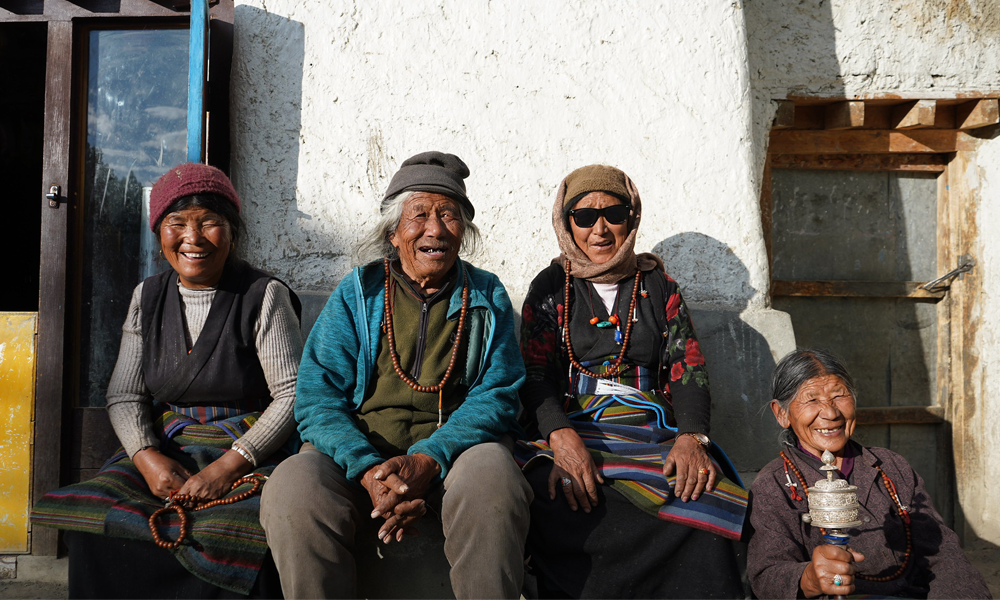
For many older adults in Namasia, travelling down the mountain to seek treatment is physically demanding and time-consuming. Vision loss caused by cataracts often progresses quietly, with blurred sight frequently accepted as an unavoidable part of ageing rather than a treatable condition.
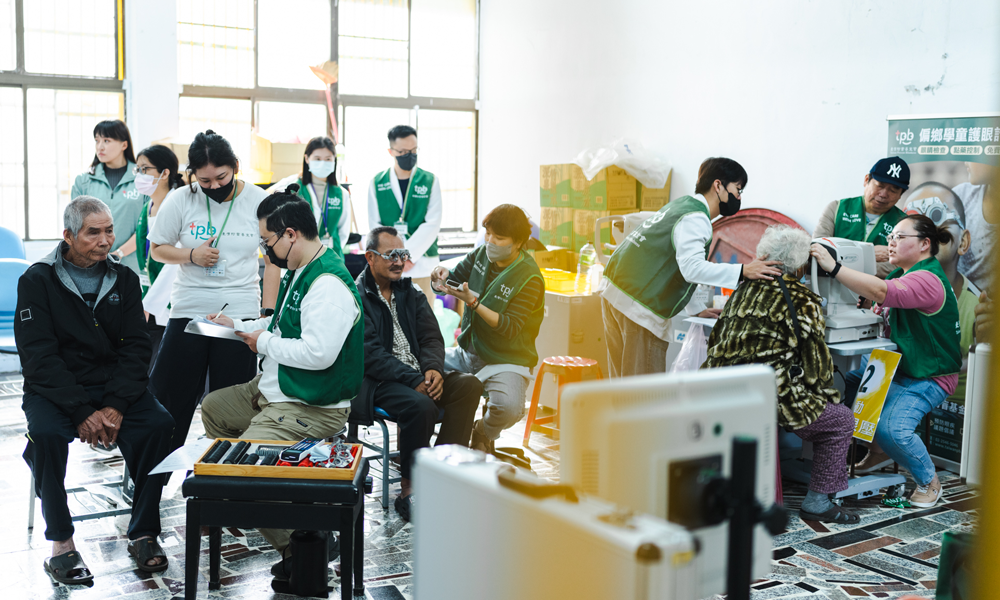
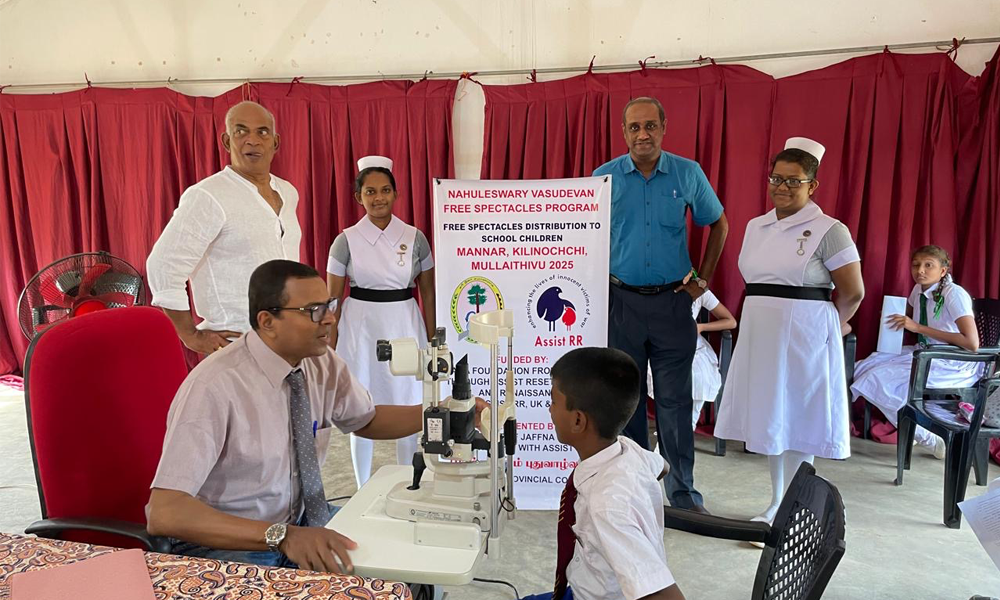
At the end of January 2026, a multidisciplinary outreach clinic was organized in Namasia District. Medical teams from Kaohsiung Medical University Chung-Ho Memorial Hospital provided services including gastroenterology, urology, dermatology and respiratory medicine, while vision screening services were delivered by the Taiwan Blindness Prevention Foundation.
By integrating multiple specialties into a single outreach visit, residents were able to access more comprehensive care while reducing the burden of travel. The initiative represents an important step toward improving equitable access to eye care in rural and underserved communities.
Bringing Eye Care Closer to the Community
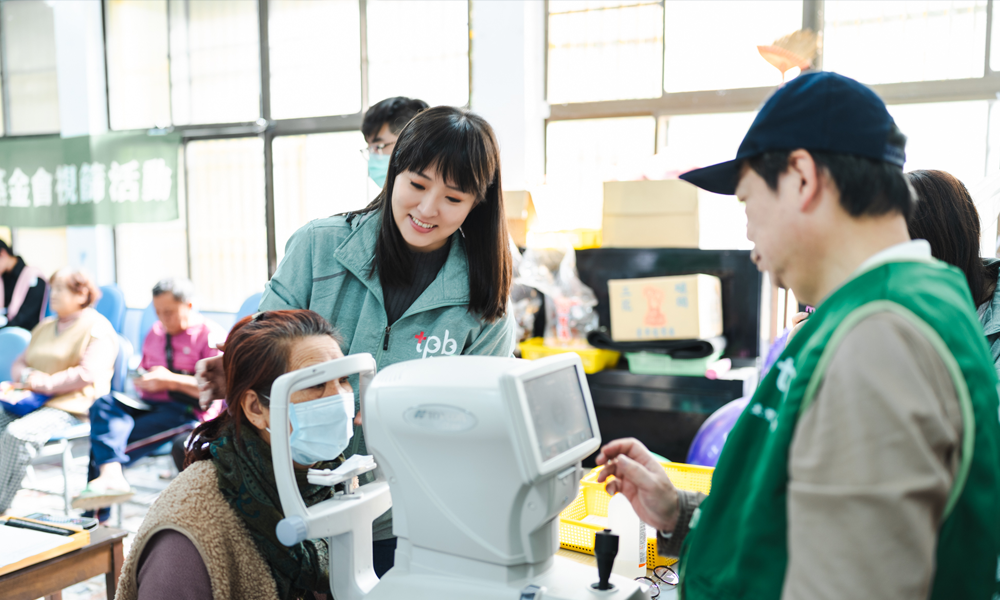
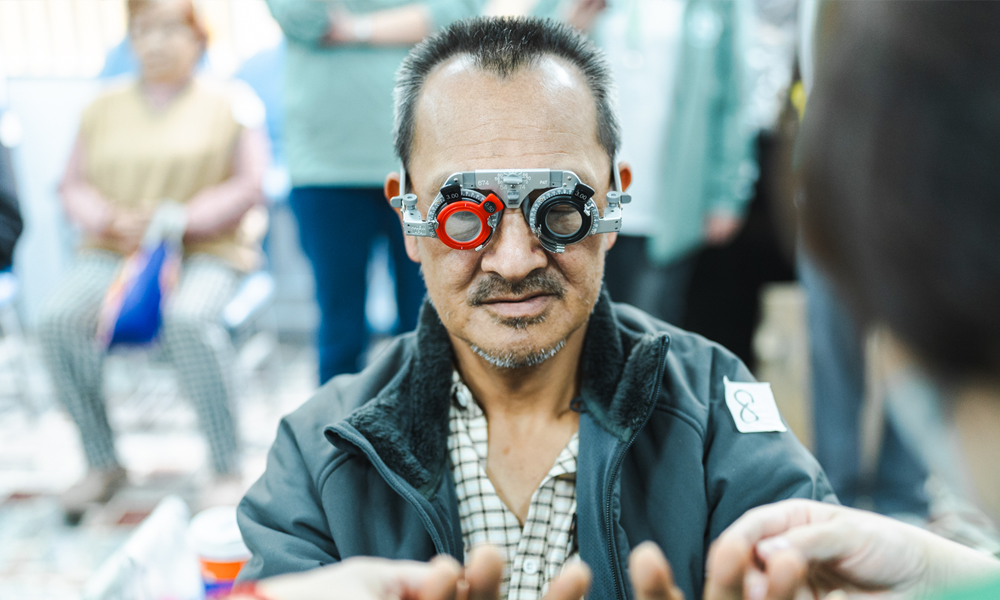
This mission marked the Taiwan Blindness Prevention Foundation’s fifth visit to Namasia and the third collaboration with the university’s rural medical service team. Led by ophthalmologist Dr. Ray Jui-Fang Tsai, Chairman of TPB, the team conducted vision screening for community members, with particular attention to age-related vision decline that often remains untreated in rural areas.
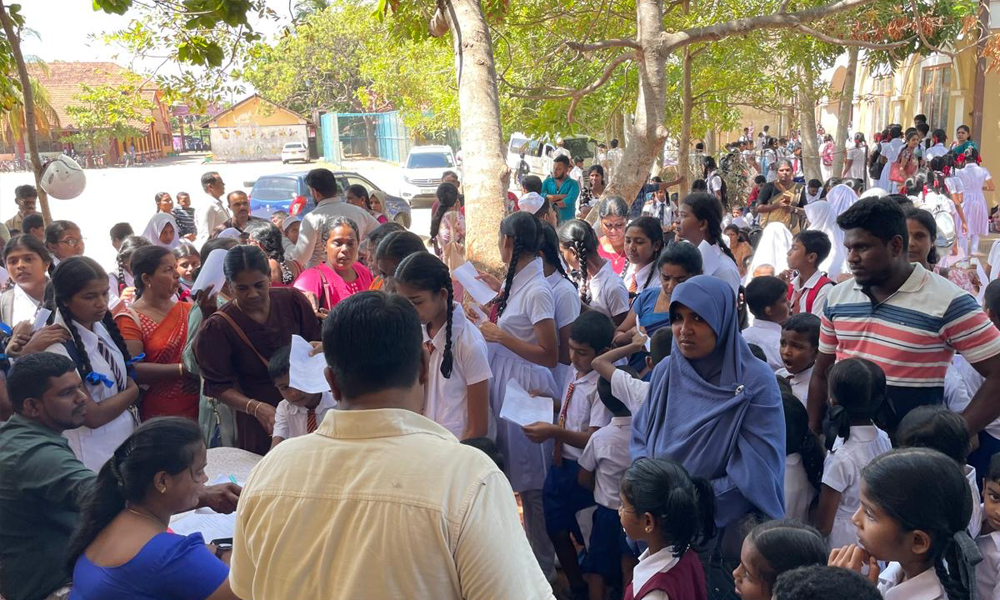
Many older residents arrived early in the morning, some with walking sticks and others accompanied by family members. Each participant received vision screening, clear explanation of results, and referral for further treatment when necessary. For many participants, having someone take the time to listen to their concerns about deteriorating vision was itself a meaningful form of care.
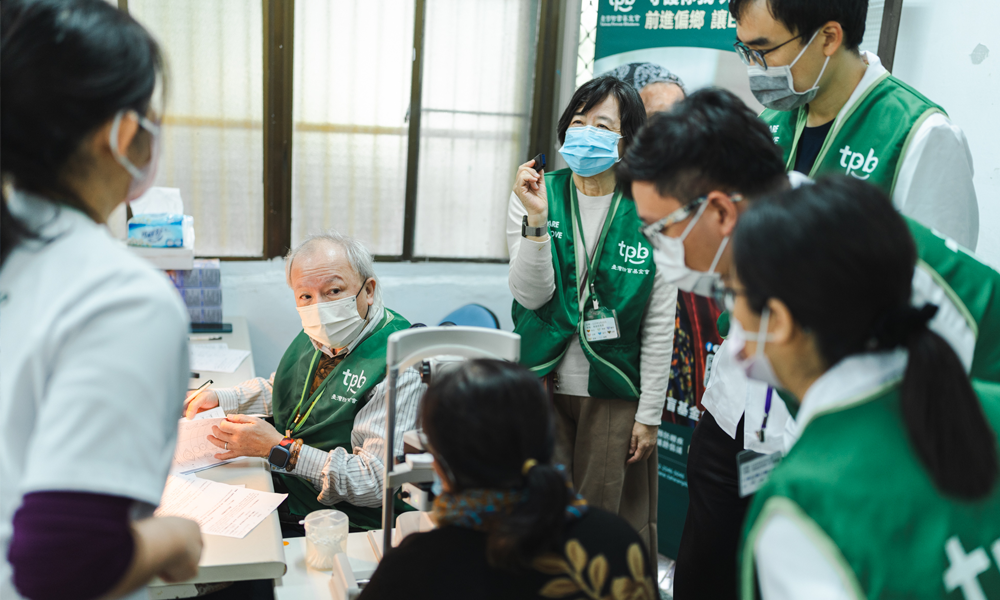
Dr. Tsai personally examined patients and explained their eye conditions and possible treatment options in clear and accessible language. Taking extra time to ensure older adults understood their diagnosis created reassurance that extended beyond clinical treatment.
The Beauty of “Waiting” in Rural Medicine
Advocacy Ambassador Liu Ting-Ting participated in the outreach for the second time, assisting older residents and helping care for young children so that the service could run smoothly. She observed that more older residents attended vision screening voluntarily compared with previous visits, suggesting growing awareness of eye health within the community.
Many participants live with chronic conditions such as hypertension and diabetes, which can affect vision. Reduced mobility and slower communication meant that examinations often required additional time. Optometrists and volunteers adjusted their pace accordingly. They spoke slowly, maintained eye contact, and patiently waited for each response. This willingness to slow down reflected the compassionate nature of rural healthcare and was one of the most meaningful aspects of the outreach.
Medication Education Completes Vision Care
In addition to vision screening, pharmacist Cheng Yu-Ju provided patient education on the safe use of eye medications. She explained that many older adults store eye drops in refrigerators or do not leave sufficient intervals between different medications, practices that may reduce effectiveness and increase the risk of infection.
Participants were advised to:
These practical steps represent an important part of the continuum of eye care and help ensure that treatment remains effective after outreach services end.
When Vision Needs Are Recognised
“So, getting old doesn’t necessarily mean I have to lose my sight,” said one elder with a shy smile after her check-up. This sentence captures the true impact of the mission. Among those waiting was Ms. Chu, attending for the first time. With her children working away from home, transportation to the nearest clinics in Jiaxian or Qishan—over 20 kilometers away—is a daunting barrier. For her, this outreach was a vital bridge to care she otherwise might have delayed. Student volunteers from Kaohsiung Medical University also joined the outreach. For many, it was their first visit to Namasia and an opportunity to better understand disparities in healthcare access between urban and rural communities.
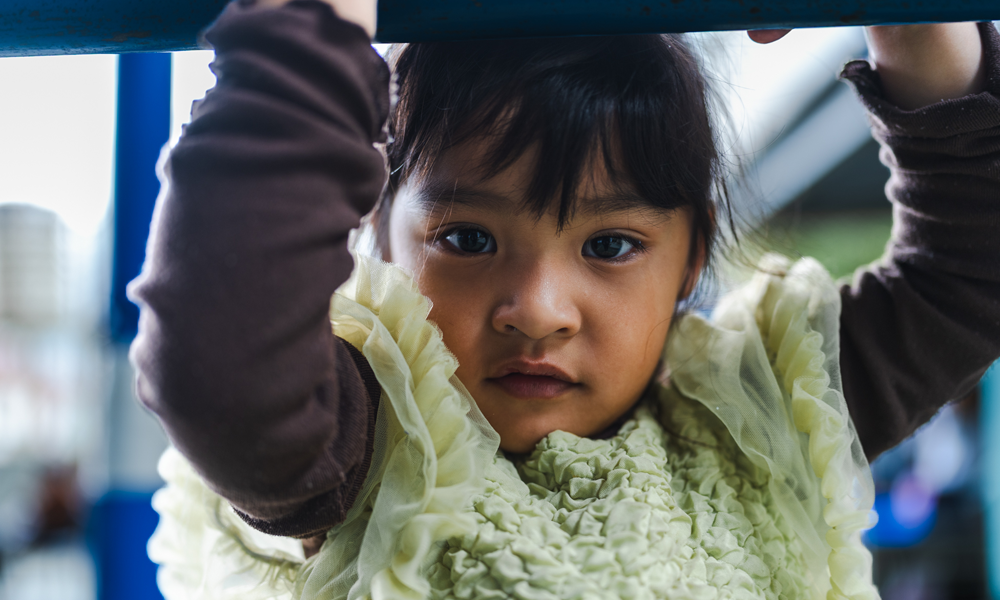
Several parents brought children aged three to five for vision checks. Although screen time at home is limited, parents expressed concern about their children’s eyesight and welcomed the opportunity for preventive screening.
The team observed increasing awareness of children’s eye health in recent years, with more families seeking preventive care rather than waiting for symptoms to appear.
Sustainable Vision Protection for 2026 and Beyond
This was not just the first mission of 2026; it was a continuation of a long-term promise. The Taiwan Prevent Blindness Foundation returns to these mountains time and again to ensure that elders know their vision does not have to retreat with age, and their lives do not have to be compromised by blurriness. From screening and education to referrals and follow-ups, every step builds a foundation for safety. When an elder can clearly see the path beneath their feet or recognize the faces of their loved ones, life becomes more secure. Throughout 2026, TPB will continue to journey between the peaks, preserving clarity and making sight a reliable part of daily life for all.