


Join the Leading Global Eye Health Alliance.
Membership-
Choose an alternate language here
- Membership
By Louisa Syrett (IAPB), Sumrana Yasmin (Sightsavers) and Kathleen Sherwin (Orbis)
Co‑Chairs, IAPB Gender Equity Member-led Work Group
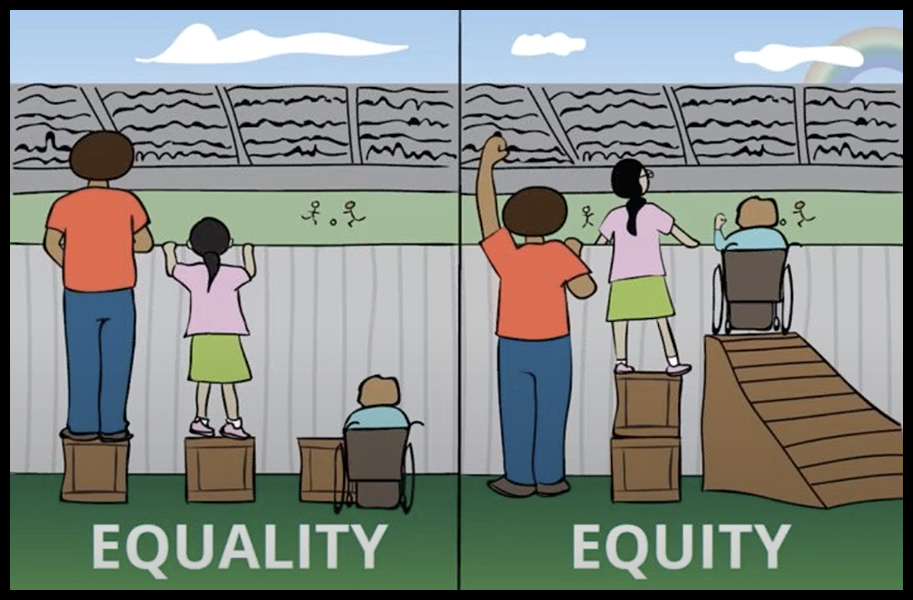
On this International Women’s Day, we join the global call for Rights. Justice. Action. For all Women and Girls grounded in a simple but urgent truth: there can be no gender justice without access to eye health; and no equitable eye health without gender justice.
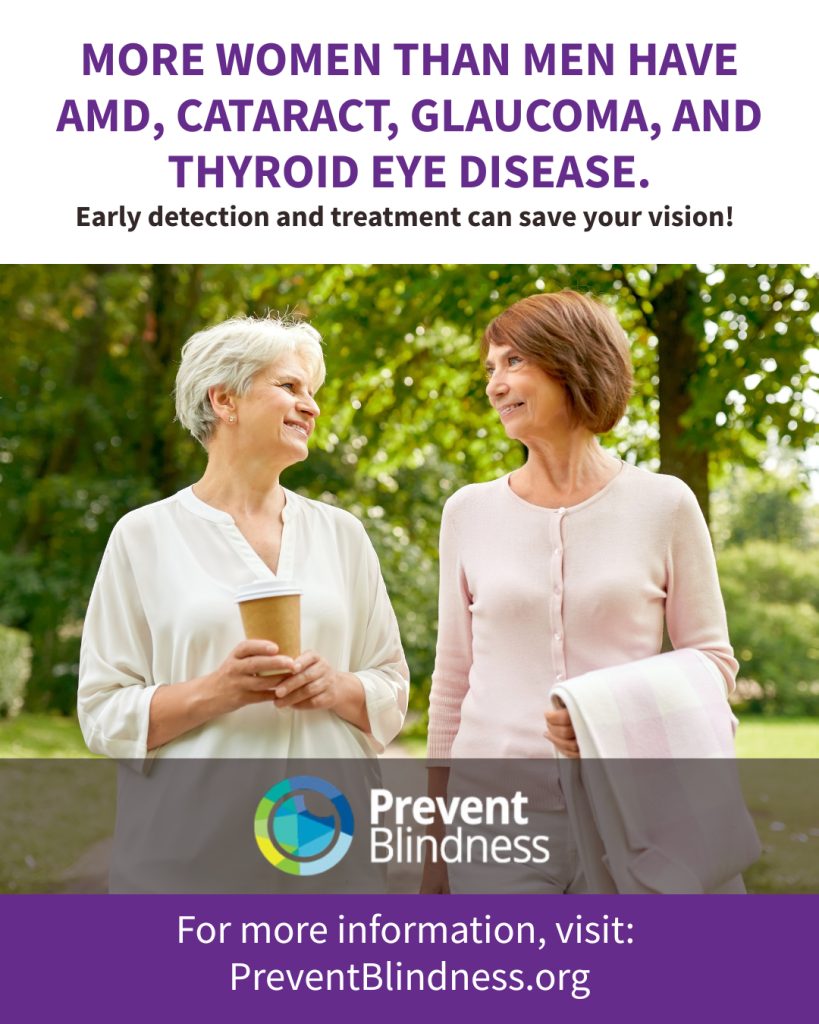
Globally, women and girls account for 55% of all people who are blind or living with vision loss, even though nine out of ten cases are preventable or treatable with existing, cost‑effective interventions. This is not a failure of medicine or clinical innovations. It is a failure of systems, priorities, commitments and access.
This is why the 2026 International Women’s Day theme resonates so strongly with the eye health community. Rights demand that women and girls can access eye care without discrimination. Justice requires systems to recognise and address the inequities that shape who receives care, who delivers it, and who benefits from it. And action calls on all of us, policymakers, funders, practitioners and advocates, to move beyond intent and into measurable, lasting change.
A renewed commitment and new leadership
January marked an important moment for the IAPB Gender Equity Work Group, as we were confirmed in our roles as joint Co‑Chairs. We step into this responsibility with deep excitement and a shared commitment to accelerating progress; not incrementally, but intentionally, with a clear vision in sight.
Our strength lies in collaboration. Between us, we represent organisations working across regions, health and education systems and communities. Together, we bring different perspectives, lived experience and institutional expertise; but we are united by a common belief that access to eye health is a right, inequity is an injustice and progress requires action.
Turning knowledge into action: strengthening gender equity education
One of the most practical ways to drive change is through education and capacity‑building. This year, the Work Group is proud to support the launch of revised and updated toolkit pages on gender equity education and training courses.
These refreshed resources go beyond simply listing opportunities. They offer a clear reference point for who each course is designed for; whether you are a programme planner or implementer, health worker, researcher, policymaker or organisational leader. By making it easier to identify what is most relevant for you or your organisation, we aim to remove a common barrier to engagement and help translate learning into meaningful, real-world practice.
Gender equity is not a “nice to have” add‑on. It is a core competency for delivering effective, inclusive and sustainable eye health services.
Why vision matters: for women, economies and societies
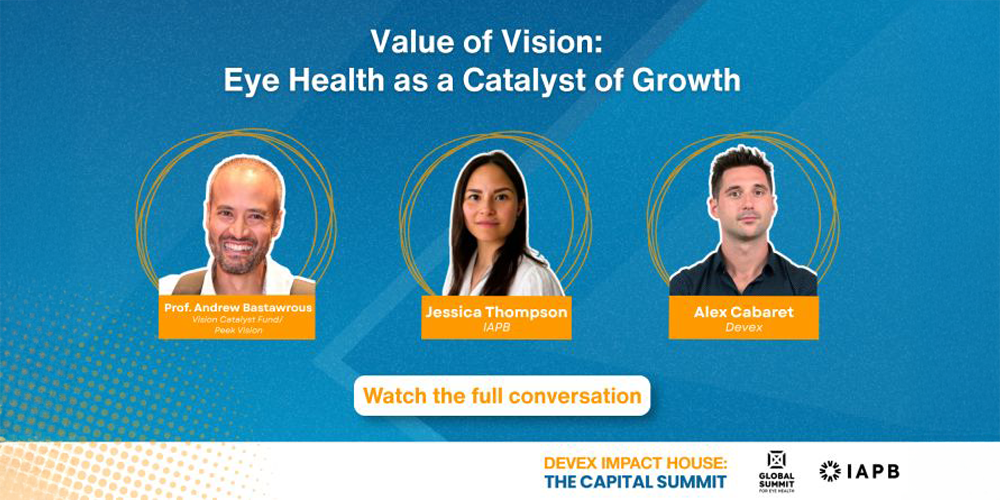
The Value of Vision report makes clear what many women already know from lived experience: good vision underpins opportunity and opens doors. Eye health is not peripheral to broader wellbeing; it is often an entry point into other health issues, revealing underlying conditions and gaps in health systems. When women and girls can see well, they are better able to learn, earn, care for themselves and others, and participate fully in society. When they cannot, the consequences ripple outward, affecting household income, educational attainment, productivity and well-being.
Investing in eye health is therefore not just a health intervention; it is an economic and social one. For women and girls in particular, access to eye care can mean the difference between paid work and exclusion, between staying in school and dropping out, between independence and reliance. Integrating eye care into primary health care, universal health coverage, and women’s health strategies is one of the most practical and impactful steps we can take—repositioning eye health where it belongs as a cornerstone of development, gender equality, and shared prosperity.
Learning from the Pacific and looking ahead
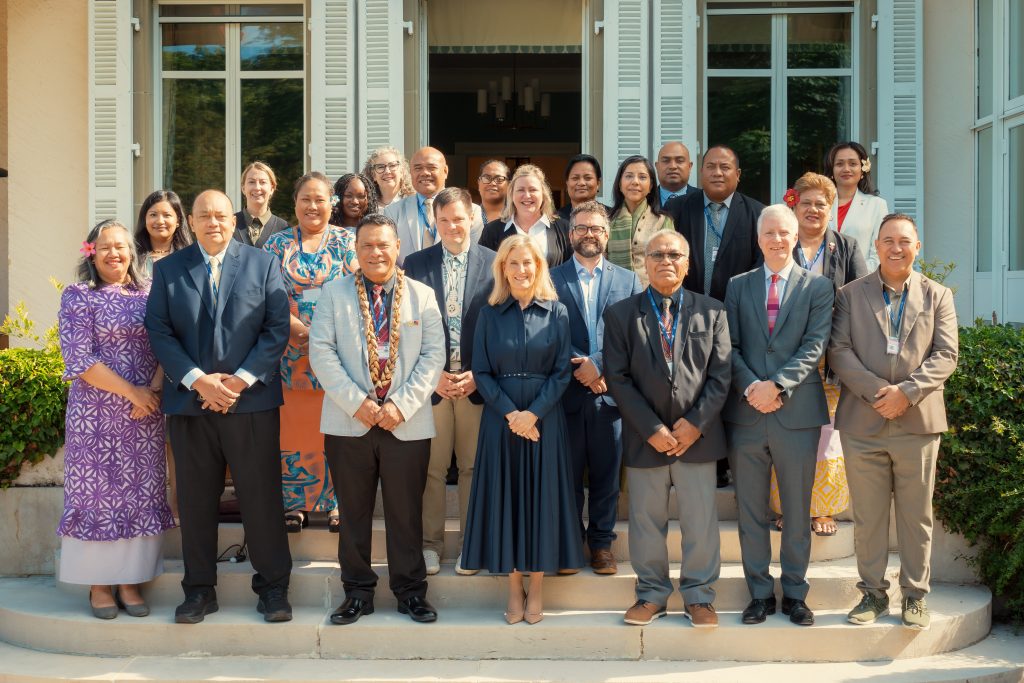
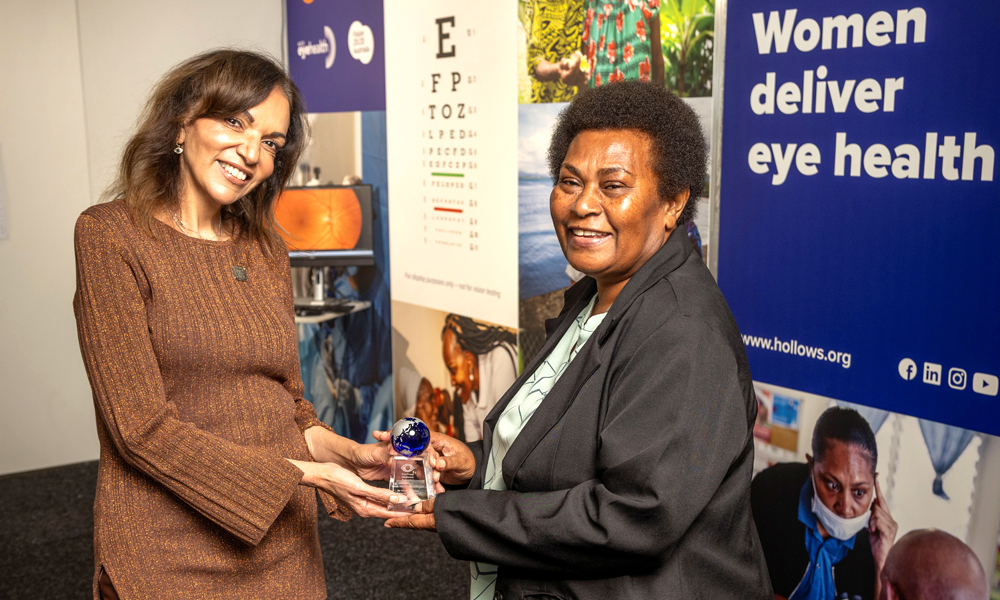
In February, a few of us had the privilege of engaging with Pacific Pathways in Fiji, a meeting planned in the lead up to Women Deliver with a legacy far beyond through to the upcoming Global Summit for Eye Health. It was a powerful reminder that locally led, culturally grounded approaches are essential for advancing gender equity. The conversations reinforced that solutions must be shaped with communities and by communities, not imposed on them, and that women’s leadership is central to resilient eye health systems.
As we look ahead, the global calendar offers critical moments to connect eye health to wider gender and development agendas. The Commission on the Status of Women (CSW) will once again convene governments and civil society to assess progress and accountability on gender equality. Eye health must be part of these conversations through the Pacific delegation on the back of Pacific Pathways; not as a niche issue, but as a cross‑cutting enabler of health, education, economic participation and wellbeing.
In April, Women Deliver will bring together advocates and decision‑makers from across sectors. For the first time, many of us will come together around a dedicated concurrent event focused entirely on eye health, spotlighting its links to economic growth, social inclusion, women’s leadership and sustainable development. This moment reflects a growing recognition: if we are serious about gender equality, we must be serious about vision.
From commitment to change
The future we are working towards is clear. One where women and girls can exercise their right to eye health without barriers; where justice is reflected in data, funding and leadership; and where action is visible in policies, programmes, resources and outcomes.
On this International Women’s Day, we call on the global eye health and gender equality communities to act:
Rights. Justice. Action. For ALL Women and Girls; and for a future where vision unlocks opportunity, dignity and choice.