

Skip to content

Foster China-Africa Community with a shared future: China-Africa Partnership enhances eye health in African Nations

Published: 28.09.2023
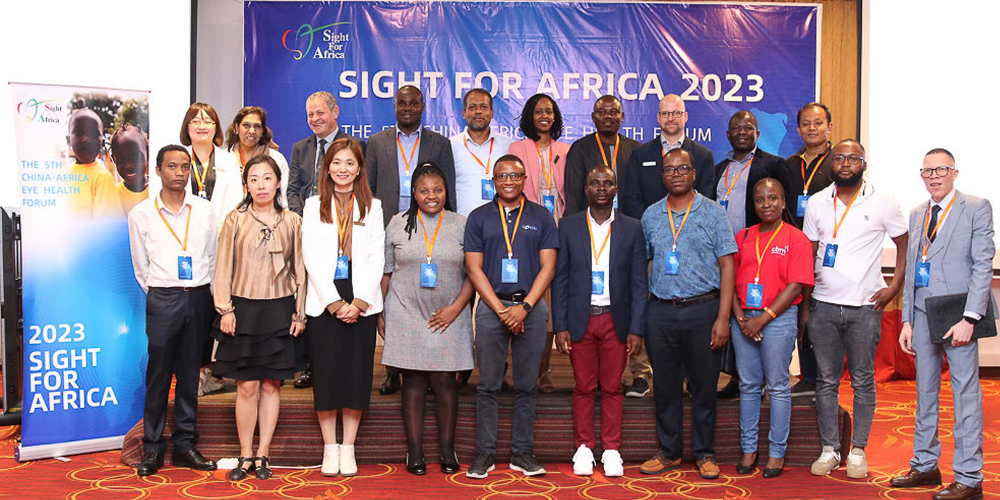
People at the forum
1/1

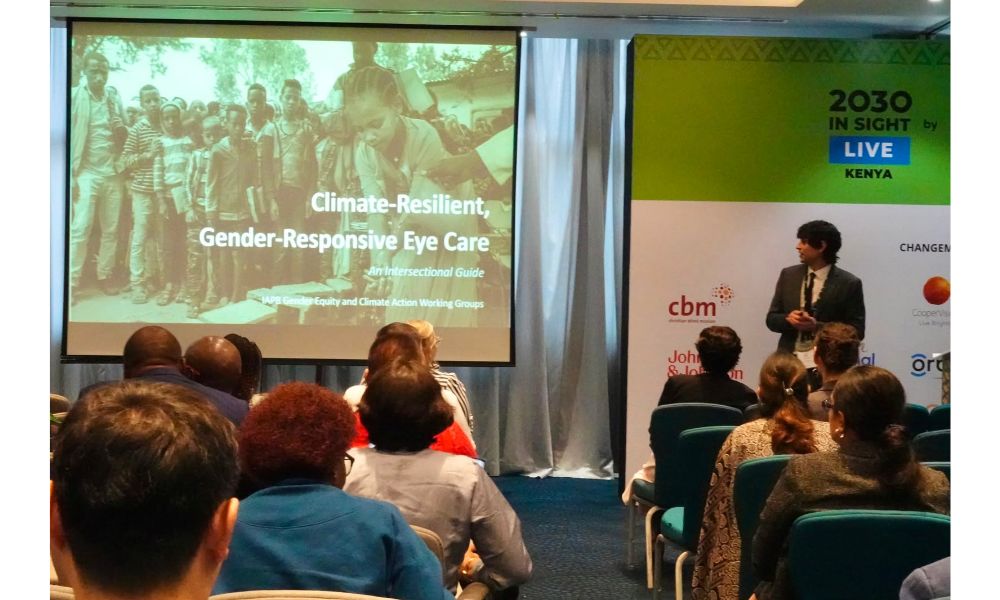
The 5th China-Africa Eye Health Development Forum was held in Mombasa, Kenya, on August 28, 2023. This event was meticulously organized by the National Health Commission’s Training Base for Blindness Prevention and Treatment, with support from the Liaoning Provincial Department of Commerce. Co-sponsored by esteemed entities like the African Ophthalmological Society, College of Ophthalmology of Eastern Central and Southern Africa, Orbis International, and He Eye Specialist Hospital (301103. SZ), the forum showcased a collaborative effort for progress.

Ophthalmology experts from the World Health Organization, IAPB, Orbis International, and Christian Blind Mission, along with representatives from health ministries, ophthalmological associations, and institutions from African countries like Kenya and Ethiopia, convened in Mombasa for intensive discussions. The focus was on implementing blindness prevention models driven by artificial intelligence and thorough big data analysis. Furthermore, they explored innovative talent cultivation strategies employing cutting-edge technology in African nations to elevate overall eye health services.

The conference was presided over by Chairman He Wei, who leads He Eye Specialist Hospital. He noted that this year commemorates the 60th anniversary of China’s foreign medical aid. Health and medical collaboration play a pivotal role in fostering China-African amicable relations. He Eye Specialist Hospital, as the training hub for blindness prevention and treatment under the National Health Commission, has forged enduring alliances with health departments in multiple African countries and regions. This cooperation was solidified through initiatives like the China-Africa Eye Health Development Forum and the hosting of “Foreign Aid Human Resources Development Cooperation Projects,” organized by the National International Development Cooperation Agency. Over the years, they’ve nurtured a cadre of over a hundred clinical and management talents in ophthalmology for the betterment of African countries. As the future unfolds, the proactive models for blindness prevention and talent cultivation, enriched by digital technology, will constitute essential pillars of Sino-African cooperation.

View original content:https://www.prnewswire.co.uk/news-releases/foster-china-africa-community-with-a-shared-future-china-africa-partnership-enhances-eye-health-in-african-nations-301911606.html


Photo Credits

Prevent Blindness is declaring February as Age-related Macular Degeneration (AMD) and Low Vision Month in an effort to provide education and various expert-approved resources to the public and professionals. This year’s AMD and Low Vision Month is generously supported by Gold Sponsor EyePoint, Inc.

According to Johns Hopkins Medicine, AMD is the most common cause of severe loss of eyesight among people 50 and older. And, about 4 million Americans live with low vision, which is defined as chronic visual impairment that cannot be corrected with glasses, contact lenses or medical treatments.

AMD affects the central part of the retina called the “macula.” When AMD damages the macula, the center part of a person’s vision may become blurred or wavy, and a blind spot may develop. Early detection and treatment of AMD is key to helping to prevent significant vision loss.

Two types of AMD include:

  • Dry- The most common form of AMD, dry AMD, is caused by the appearance of small yellow deposits called drusen, which form under the retina. These are accumulated waste products of the retina, which can grow and stop the flow of nutrients to the retina. This may cause the retinal cells in the macula that process light to die, causing vision to become blurred. This form of the disease usually worsens slowly. An advanced form of dry AMD is called geographic atrophy.
  • Wet- Wet AMD generally causes more rapid and more serious vision loss. In this form of the disease, tiny new blood vessels grow under and into the retina. These blood vessels are fragile and often break and leak, causing a loss of vision.

“As our population ages, the number of individuals impacted by AMD continues to grow. Many will face difficulties doing the things we sometimes take for granted, such as reading, seeing faces, and driving,” said Jeff Todd, president and CEO of Prevent Blindness. “Our robust collection of resources on AMD and low vision are intentionally created to help minimize vision loss and maintain independence for those impacted by AMD while providing effective tools to the public and providers on ways to save sight.”

As part of AMD and Low Vision Month, Prevent Blindness offers the free AMD GuideMe app. This resource provides a customized overview of AMD along with a tailored resource list and suggested steps to help save sight from the eye disease specific to the individual using the GuideMe app. Prevent Blindness offers additional educational resources including fact sheets and shareable social media graphics in English and Spanish, and dedicated webpages.

New this year, as part of the Prevent Blindness ASPECT Patient Engagement Program Member Spotlight Series, graduate Laurie S., shares her experience with AMD, including her family history with the eye disease, how it impacts her daily activities including the ability to read music, and the importance of support groups “Age-related Macular Degeneration: Laurie’s Story.”

Videos in the Prevent Blindness Focus on Eye Health Series include:

  • “Age-related Macular Degeneration (AMD) and Low Vision,” featuring W. Lloyd Clark, MD, Palmetto Retinal Center, and Assistant Clinical Professor of Ophthalmology at the University of South Carolina School of Medicine.
  • “Low Vision,” featuring R. Tracy Williams, OD, FAAO, Executive Director at Spectrios Institute for Low Vision, Clinical Professor of Ophthalmology, Loyola University and Adjunct Professor, Illinois College of Optometry. Dr. Williams is also a former Prevent Blindness Board of Directors member.
  • “Vision Impairment and Mental Wellness,” with AMD patient Dr. Connie Hills, psychologist, consultant and speaker.

The Prevent Blindness “Living Well With Low Vision” program provides useful information to those with low vision, their care partners and healthcare professionals. Content includes self-help guides, resources for vision loss and mental wellness, information on clinical trials, and much more. Living Well With Low Vision is supported by grants from Amgen and Genentech.

For more information on AMD, please visit PreventBlindness.org/amd. For information on geographic atrophy, please visit PreventBlindness.org/geographic-atrophy.
And, for more information on Living Well With Low Vision, or other general eye health information, please visit lowvision.PreventBlindness.org.

For a listing of organizations and services that provide financial assistance for vision care in English or Spanish, please visit https://preventblindness.org/vision-care-financial-assistance-information.