Skip to content

As part of the IAPB Gender Equity Toolkit, this resource aims to support organizations, educators, program managers, and advocates in selecting and implementing appropriate gender equity training modalities tailored to diverse audiences across the eye health sector.


Gender inequality remains a critical barrier to equitable access, service delivery, and leadership in eye health. Despite increasing global attention to gender disparities, many institutions and stakeholders lack practical tools, contextualized approaches, and capacity needed to build gender-responsive systems and inclusive workplaces.

From frontline health workers and medical trainees to administrative staff and executive leadership, each stakeholder group requires a different entry point for understanding and applying gender equity concepts. This tool addresses that need by mapping a range of evidence-informed training formats, methods, and materials aligned with specific learning goals and outcomes, institutional priorities, and regional contexts.

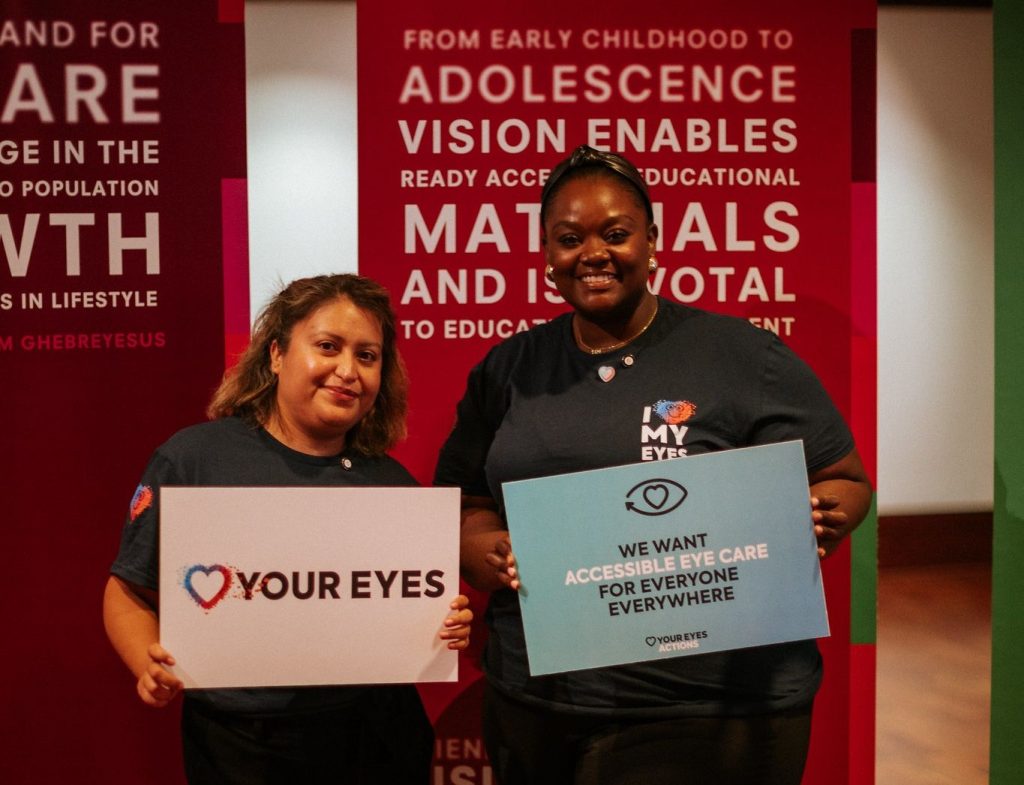
Two women holding eye health advocacy signs

This tool is organized to guide users through the selection, adaptation, and integration of gender equity training across various levels of the eye health ecosystem. It includes the following sections to help guide people through the creation/coordination of gender equity trainings:

  1. Main Audiences and Key Training Considerations
  2. Mapping of Gender Equity Training Courses/Resources and How to Use Them
  3. Considerations for Training Methodologies
  4. Challenges and Addressing Bias
  5. Follow Up and Refresher Trainings
  6. Case Studies

This resource is intended for various uses, but primarily to support those responsible for advocating, organizing and delivering gender equity training. It has been designed with these roles/positions in mind:

  • Program planners and implementers can use this tool to design training components for capacity-building
    initiatives.
  • HR teams and administrators can use it to strengthen onboarding or professional development efforts.
  • Facilitators and trainers can adapt for stand-alone workshops or integrate into broader learning curriculums.
  • Partners and donors can reference it to align project design and reporting with gender equity goals.

This tool is not prescriptive. Rather, it is meant to be adaptable, modular, and inclusive – providing a practical starting point for organizations/groups committed to advancing gender equity in eye health systems and programmes.

Main eye care audiences for gender equity training

Each audience benefits from a tailored training approach to ensure relevance, buy-in, and impact. Understanding each audience’s motivation and/or application of gender equity into their day-to-day work is crucial when designing the right methodology and training content. Here are some specific core audiences to target and considerations for future gender equity training efforts:

  • Medical Professionals: Ophthalmologists, optometrists, nurses, and technicians benefit from clinical case-based examples, scenario learning, and role-play to surface unconscious bias in diagnosis, referral patterns, and patient communication.
  • Non-Clinical Staff: Administrative, operations, and finance personnel are key to ensuring that institutional systems (HR, procurement, patient intake) reflect inclusive values. Training for this group should focus on equity in workplace policies, power dynamics, and gender-sensitive service delivery.
  • Partners: Partner organizations, including implementing NGOs, professional associations, community-based organisations, and advocacy networks, often serve as champions of change. Joint training can align gender equity priorities and promote shared accountability across the sector.
  • Community Leaders / Teachers: Community-facing stakeholders help bridge formal eye care systems and the populations they serve. Training should focus on understanding gender norms, recognizing barriers women and girls face, addressing stigma, and promoting behavior change and advocacy at the community level.
  • Ministry of Health / Government: Decision-makers and program officers within government are instrumental in institutionalizing gender equity at policy, system and resourcing levels. Briefings, evidence summaries, and gender mainstreaming workshops are recommended.
  • Peers / Colleagues / NGO Workers: Training for peer groups can be embedded in team retreats, learning forums, or communities of practice. These sessions often benefit from storytelling, lived experience, and informal mentorship dynamics.
  • Internal Institutional Training: Organizations can embed gender equity into internal training calendars—such as onboarding, leadership development, or annual reviews. This promotes a culture of accountability and continuous improvement.
  • Patient Advocacy Groups: Trusted connectors between communities and health and education systems, this group is key to addressing gender-related barriers to care. Training should focus on inclusive communication, local advocacy, and shifting gender norms that limit women’s access to eye care. Use participatory, culturally relevant methods like storytelling, dialogue circles, and community workshops.

Mapping of gender equity training courses/resources and how to use them

In this section, we match each audience type with relevant resources, preferred training methods (e.g. self-paced, facilitated, hybrid), and sample learning outcomes. It also links to existing materials hosted within the IAPB Gender Equity Toolkit and/or through validated organizations.

Oxfam Inclusive Language Guide

Oxfam Inclusive Language Guide

Author: Oxfam (2023) Audience/use: Facilitators/Training organizers

This guide gives practical language examples and scenarios that MUST be appropriately adapted to various contexts/different languages. The primary training audience must be considered when determining which language, examples, and scenarios to use appropriately

UN Women training logo

UN Women Gender Training Modules

Author: UN Women Audience/use: Facilitators/Training Organizers, Pre-learning Resources
These self-paced online modules provide learning about various gender equity concepts and can provide a more robust explanation of gender imbalance globally.

These can be used as a pre-learning module work for future trainings for potential audiences if the content relates to what the in person/direct training materials goes into further detail on.


Introduction to GBA front page - Canadian Government

Introduction to GBA+

Author: Government of Canada Audience/use: Facilitators/Training Organizers, Pre-learning Resources

These self-paced modules help to define and put into context the concept of Gender Based Analysis Plus (+) framework. The first two modules are relevant as learning around sex and gender frameworks more broadly.

The first two modules could be shared as potential pre-learning. However, the topics, definitions and concepts are based on primarily a Western/Canadian perspective.

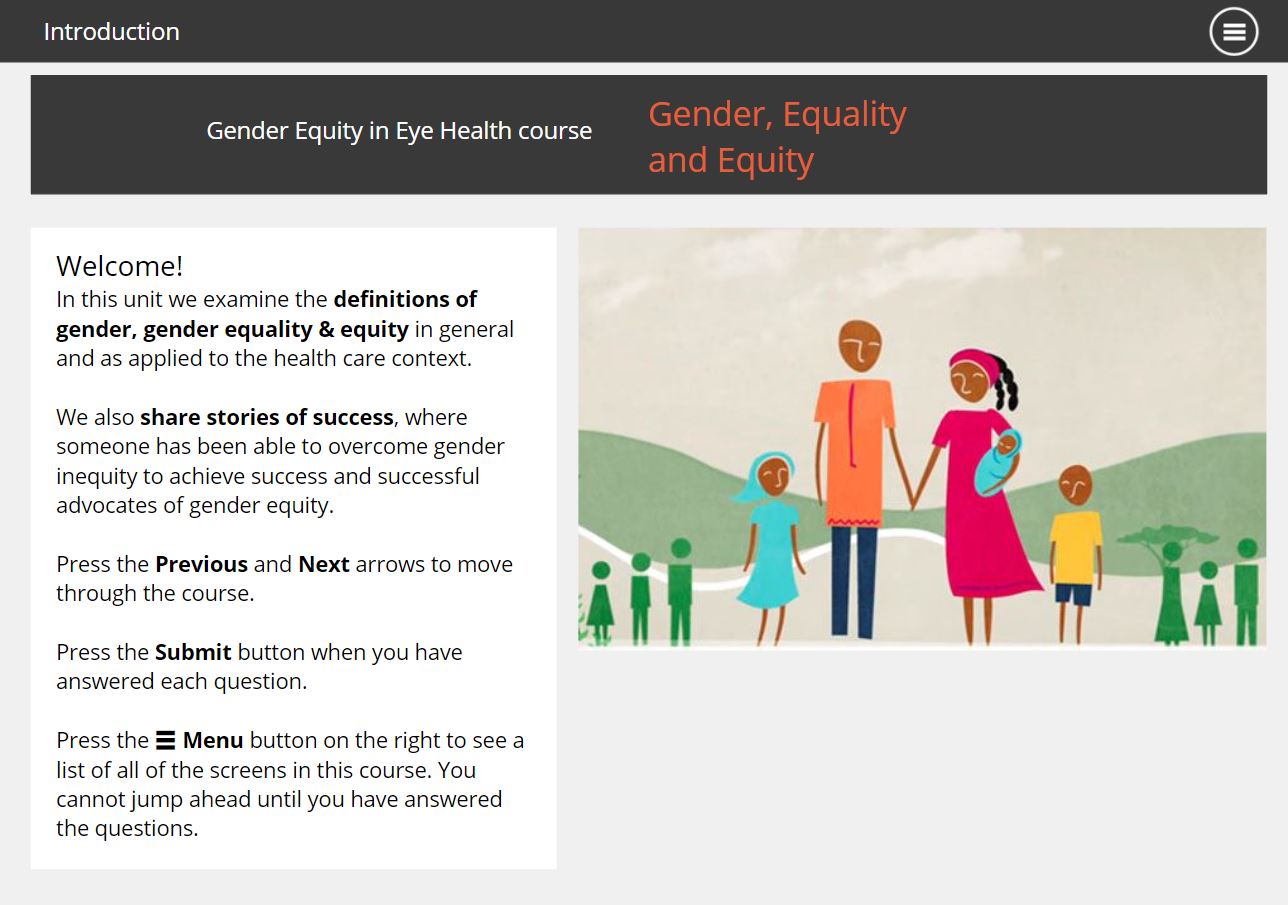
FHF gender equity training

Why Gender Equity Matters (in eye health)

Author: Brien Holden Academy Audience/use: Pre-learning Resources

This is an ideal pre-learning module. that various audiences can use to review the definitions of gender and gender equality. It provides stories of real-life examples around gender equity champions and draws the connection between GE and the UN’s framework of the Sustainable Development Goals and includes one example linked to a female eye health worker. It is short and can be done within 20-30 minutes.

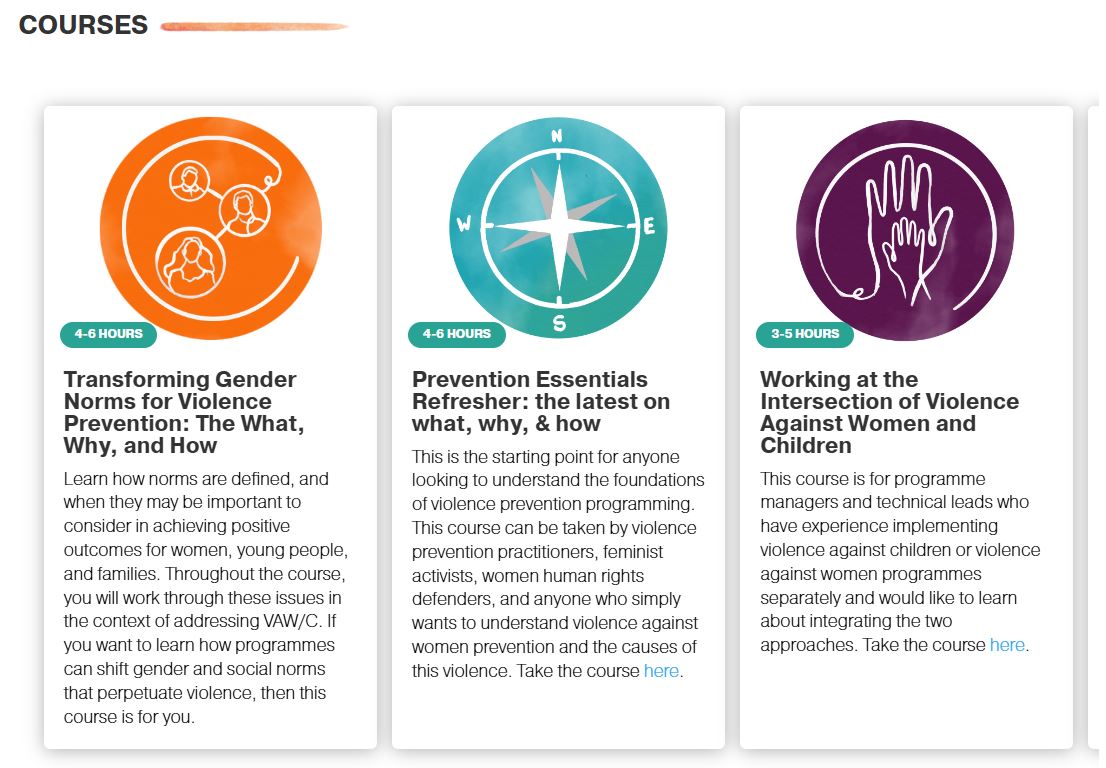
Prevention Collaborative: Self paced gender courses website screenshot

Prevention Collaborative: Self paced gender courses

Author: Prevention Collective Audience/use: Post-learning Resources
Self-paced modules on a variety of subjects. Recommended as follow up/additional training resources for audiences who want further options. These resources specifically focus on the efforts of preventing of violence against women/children.

Orbis website screenshot

Orbis International’s “Integración de la Perspectiva de Género en la Atención de la Salud Ocular” (Mainstreaming a Gender-Based Approach in Ocular Healthcare)

Author: Orbis International (2020) Audience/use: Spanish speaking audiences (clinical and non-clinical)

This self-paced course has modules that can be assigned as pre-learning for training designed for Latin American/Spanish speaking audiences.

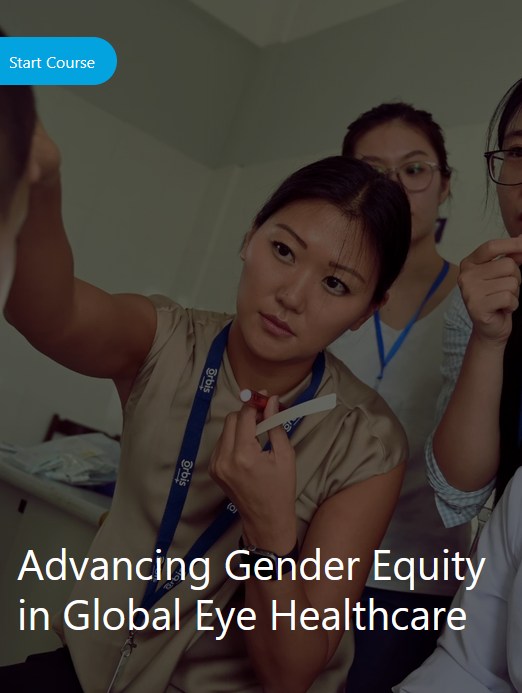
Female Orbis staff working together

Advancing Gender Equity in Global Eye Healthcare

Author: Orbis International (2025) Audience/use: Eye health professionals, Pre-learning/ Training content

This self-paced course has modules that can be assigned as pre-learning and/or main training designed for eye health clinical providers. Regional case stories and contexts are examined and provide practical examples.


Building Capacity and Confidence in Gender Transformative Programming cover

Building Capacity and Confidence in Gender Transformative Programming: A Virtual Learning Experience

Author: CanWaCH (April 2025) Audience/use: Facilitators/Training Organizers, Training Content

This resource outlines gender training content including concept and terminology, elements of gender transformative programming, and gender transformative and Feminist Monitoring, Evaluation, Assessment and Learning (MEAL). Sections of this tool could be further adapted to specific audiences/cultural contexts.

Some of this content could be further designed to provide more specific examples within the eye care system.

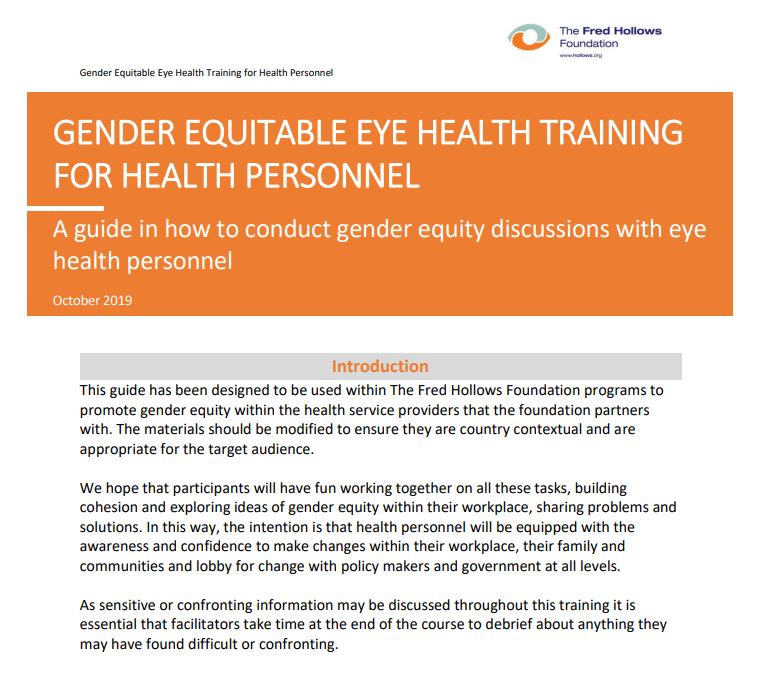
FHF Gender Equity Guide

Gender Equitable Eye Health Traning for Eye Health Personnel

Author: The Fred Hollows Foundation (2019) Audience/use: Eye health professionals, Training content

This resource outlines a 2-day gender training that focuses on gender/sex definitions, power dynamics, bias, gender and disability, do no harm, behavioral change and health literacy, and clinical contexts (patient and provider scenarios). This training resource can be adapted/further tailored based on the specific audiences and cultural norms/nuances of different groups.

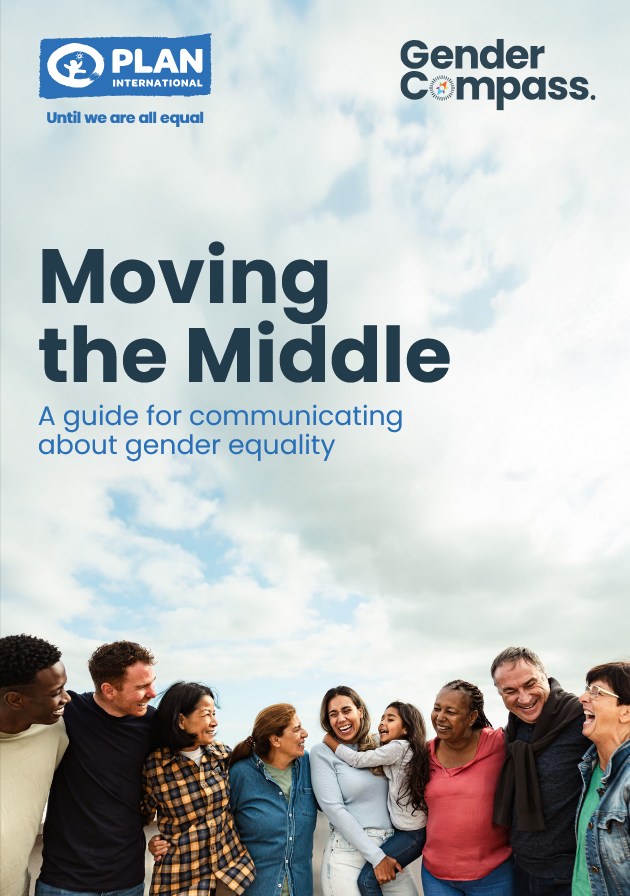
Moving the Middle cover

Moving the Middle: A guide for communicating about Gender Equality

Author: Plan International Australia Audience/use: Peers / Colleagues / NGO workers – People outside of the voluntary sector you may want to influence

This guide has been designed to help advocates of gender equality communicate effectively with a wide range of audiences. It translates key findings from the latest Gender Compass research into practical advice. The aim is to support

communicators to build awareness and support initiatives that drive positive change.

Considerations for training methodologies

We recognise that when designing various training courses, with either different or similar audiences, there are some critical considerations when it comes to choosing the right methodology. Beyond the resources already shared in the section above, here are other considerations when designing training sessions to consider:

  • Language and literacy
  • Facilitation skills/expertise
  • Power dynamics in mixed-gender or hierarchical groups
  • Cultural sensitivity and contextual relevance
  • Trauma-informed approaches for sensitive topics
  • Length and format (virtual, in-person, hybrid)
  • Resources/costs

While some materials can be used off-the-shelf, adapting content to local realities ensures better engagement and sustainability. Teams organizing training efforts and/or facilitators should collaborate with local gender experts or champions to ensure resonance and respect.

Challenges and how to deal with gender bias during training

Resistance, denial, or discomfort may arise during gender equity sessions. This tool provides: 

  • Examples of common pushbacks and suggested facilitator responses 
  • Techniques to diffuse tension while holding space for learning 
  • Tips on grounding the conversation in lived experience and data 

  • “Gender equity isn’t relevant to clinical work.”
    • “Actually, research shows gender affects both access to care and clinical outcomes—such as women receiving fewer surgical interventions or delayed diagnoses. Addressing this helps us provide better, fairer care.”
  • “We treat everyone the same here.”
    • “That’s the goal—but treating everyone the same isn’t always equitable. Equity means recognizing and responding to the different barriers people face based on gender, geography, or status.”
  • “This feels political—it doesn’t belong in health care.”
    • “Health is inherently tied to social systems, and gender is one of the most influential. Understanding this helps us serve our patients more effectively and respectfully.”
  • “We already have female staff—what more is there to do?”
    • “That’s a great start. Gender equity isn’t just about representation—it’s also about voice, leadership, safety, and support at every level.”
  • “We’ve done gender. We need to focus on other minority issues.”
    • “If what you are doing (service delivery / product etc.) doesn’t work for 50.9% of the global population (the percentage of the world’s population that is female), it will never work for the other minority populations (LGBTQI+, Indigenous People, Disability and Inclusion etc.)

  • Name the discomfort, then normalize it
    • “It’s completely normal to feel uncomfortable when reflecting on bias—it means we’re growing.”
  • Use inclusive, non-confrontational language
    • Avoid “you” statements; frame ideas around systems, not personal blame.
      E.g., “Many of us were trained in systems that didn’t prioritize gender equity. We’re here to think about how to do better.”
  • Validate intent, then redirect to impact
    • “I hear that your intention was to be fair. Let’s explore how the outcome might still create barriers for some patients.”
  • Use humor and humility (where culturally appropriate)
    • “I’ve also made mistakes in this area. That’s why we’re all learning together.”
  • Return to shared values
    • Reground the group in their commitment to quality care, professionalism, and community well-being.

  • Use patient stories and anonymized case examples
    • Share stories (with consent or anonymized) that illustrate how gender impacts access, treatment, or outcomes.
  • Disaggregate the data
    • Present local or national eye health data broken down by sex, age, geography, and socioeconomic status. Let the numbers tell the story.
  • Incorporate firsthand voices
    • Include quotes, short video clips, or testimonies from women in eye care roles or patients who faced gender-related barriers.
  • Ask reflective questions
    • Invite participants to recall a time when gender may have influenced how a patient was treated—or how they themselves felt in a workplace setting.
  • Balance facts and feeling
    • Pair research findings with real stories to create both intellectual and emotional resonance.

Follow-up and refresher trainings

Gender equity is not a one-time conversation or a box to check—it is an evolving commitment that requires ongoing reflection, practice, and accountability. One-off trainings may raise awareness, but without continued engagement, their impact is likely to fade over time. To sustain momentum and embed equity into institutional culture, organizations must invest in training approaches that build upon one another and incorporate new insights, data, and real-world experiences over time.

  • Deepens learning: Foundational concepts (e.g., gender norms, bias, power dynamics) often require revisiting and unpacking through repeated exposure in different formats.
  • Builds confidence & capacity: Participants need time and practice to translate theory into action. A staged approach allows for the development of more advanced skills—like trauma-informed communication or gender-transformative leadership.
  • Reinforces commitment: Regular follow-up keeps gender equity on the agenda, helping teams to stay aligned, motivated, and accountable.
  • Responds to change: Gender equity is a dynamic field. Refresher sessions create space to incorporate new research, policy shifts, or lived realities, ensuring that approaches remain relevant and effective.

  • Scheduled refresher sessions: Annual or bi-annual sessions to revisit key topics, introduce new tools, and reflect on challenges and successes.
  • Peer learning & reflection: Create space for teams to share how they’ve applied concepts in practice—what worked, what didn’t, and where they need more support.
  • Feedback loops: Use post-training surveys or focus groups to inform updates to future training content and delivery methods.
  • Integration with ongoing programs: Embed refresher content into broader professional development, quality improvement, or supervision activities.

As organizations grow or contexts shift, so should the training content. Future sessions should integrate:

  • Updated gender-disaggregated data
  • New case studies or patient stories
  • Lessons learned from implementation experiences and structured reviews/evaluations
  • Revised policies, frameworks, or national guidelines
  • Intersectional concepts, considerations and/or frameworks

By treating gender equity training as an ongoing journey rather than a single destination, organizations can foster a culture of continuous learning, adaptability, and shared responsibility—leading to more equitable, inclusive outcomes for both staff and patients.

Case studies

Case studies offer real-world insights into how gender equity training can be implemented across diverse eye health contexts. They highlight practical strategies, challenges encountered, and lessons learned—providing inspiration and guidance for others looking to adapt similar approaches. Where available, each example illustrates how tailored training methods led to measurable shifts in awareness, behavior, or institutional practice. These stories serve as powerful reminders that equity is both possible and actionable.