


Join the Leading Global Eye Health Alliance.
Membership-
Choose an alternate language here
- Membership
The sector has never been better positioned to solve one of the largest yet most overlooked public health challenges: uncorrected refractive error. The challenge is no longer a lack of evidence or innovation—it is a lack of coordinated strategy and action.
Across governments, international agencies, civil society, researchers, industry and donors, significant progress is being made. Yet too often these efforts occur in isolation. Achieving the World Health Organization’s target of a 40-percentage-point increase in effective refractive error coverage (eREC) by 2030 will require partners to move beyond individual initiatives towards a shared, coordinated approach that aligns policy, evidence, implementation, advocacy and financing.
These new resources developed by the Refractive Error Strategy Group will support achievement of that ambition:
The resources provide practical guidance for strengthening the global refractive error ecosystem—from strategic coordination and partnership frameworks through to evidence-based clinical guidance and policy positions. The resources explore how global initiatives such as WHO SPECS 2030, the IAPB 2030 InSight strategy, the Value of Vision investment case and other sector-wide collaborations can work together to accelerate progress towards universal access to refractive error services. They also highlight the critical role of governments, implementing organisations, academia, professional associations, innovators and the private sector in creating sustainable, people-centred eye care systems.
Alongside system-level coordination, this collection includes updated technical guidance on priority areas such as myopia prevention and management, reflecting the latest evidence on clinical best practice, workforce models and quality standards for service delivery. It also presents policy guidance on expanding safe, standards-based access to near vision glasses, recognising their enormous potential to improve independence, livelihoods and healthy ageing while serving as an important entry point into broader eye care.
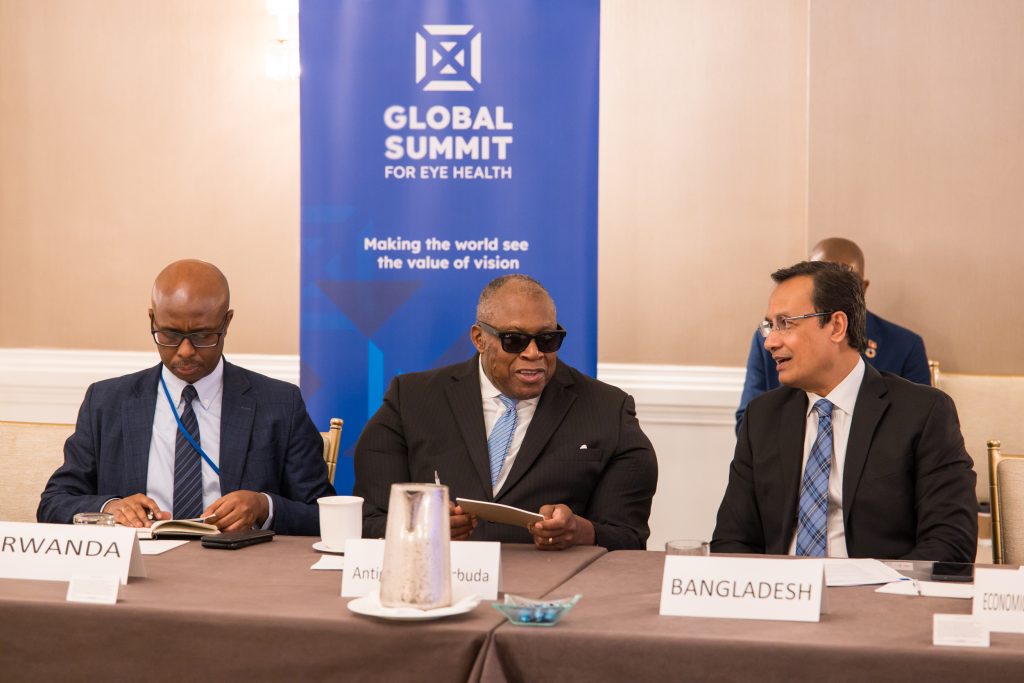
As the global eye health community prepares for the Global Summit for Eye Health and the momentum generated, these resources are intended to inform discussion, encourage collaboration and inspire collective action. They are not prescriptive; they provide a shared foundation to help organisations understand where they fit within the broader ecosystem, identify opportunities for partnership and contribute to a coordinated movement to deliver lasting impact.

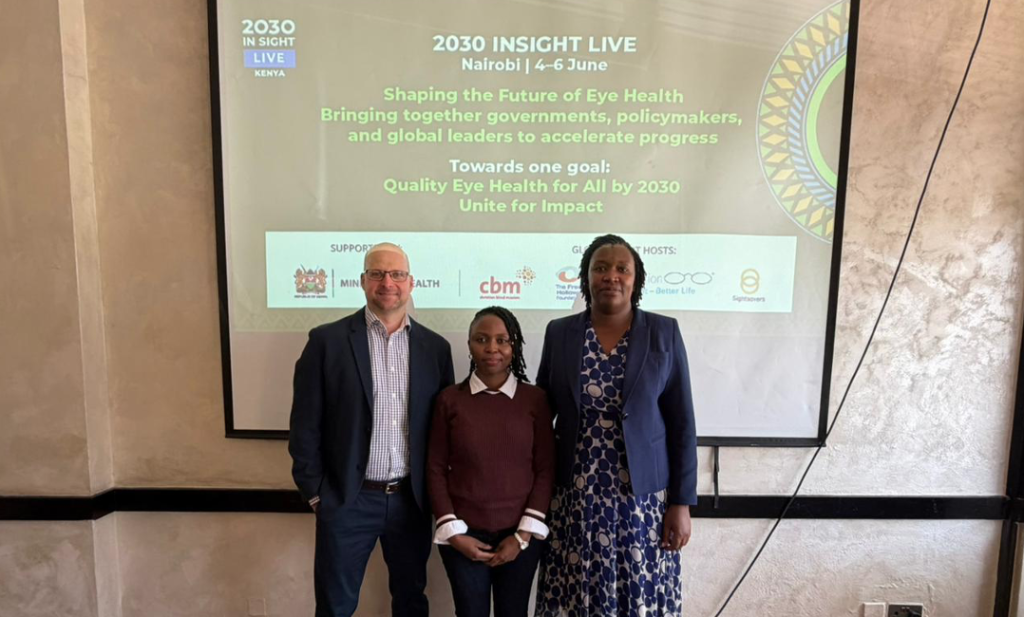

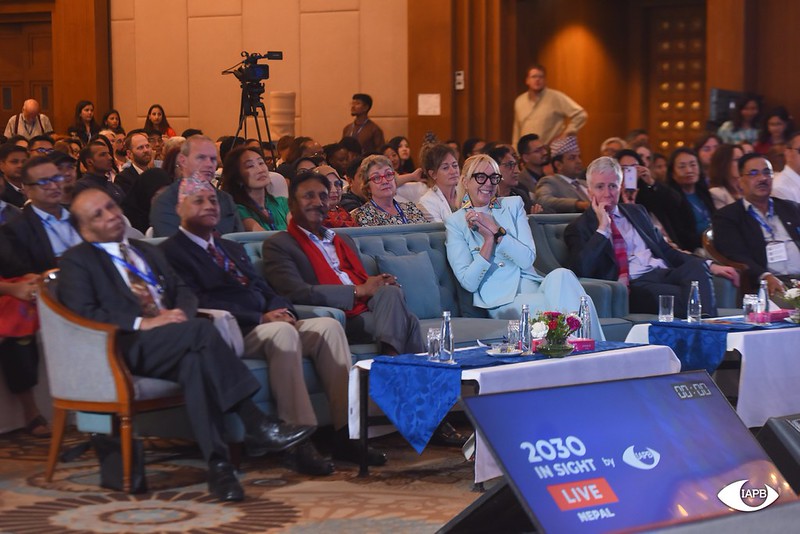
HOW TO CONVINCE YOUR BOSS TO SEND YOU TO 2030 IN SIGHT LIVE KENYA