


Join the Leading Global Eye Health Alliance.
Membership-
Choose an alternate language here
- Membership
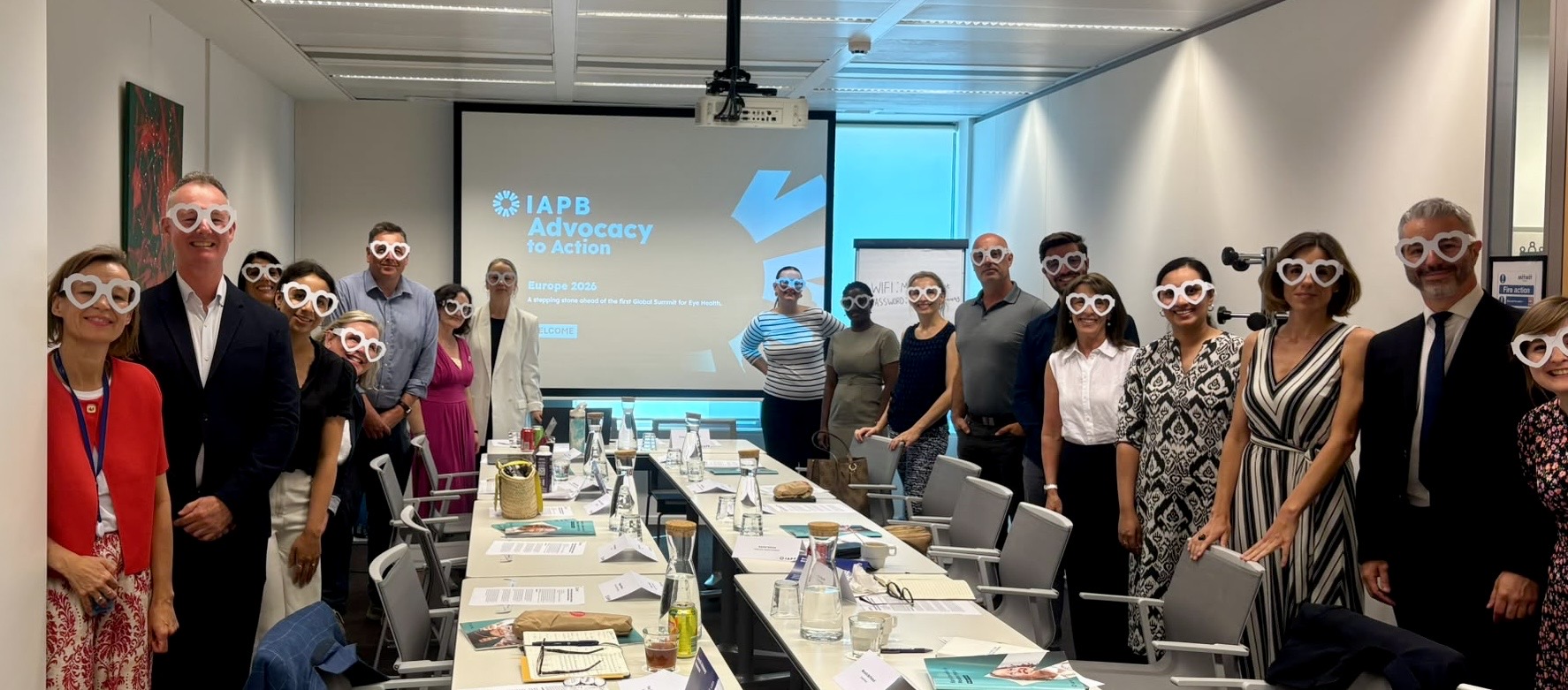

This week, IAPB brings its Advocacy to Action: Europe 2026 series to Brussels to make the case that eye health isn’t a niche clinical issue. It’s a lever for some of the EU’s biggest current priorities: education outcomes, labour productivity, healthy ageing and health system recovery.
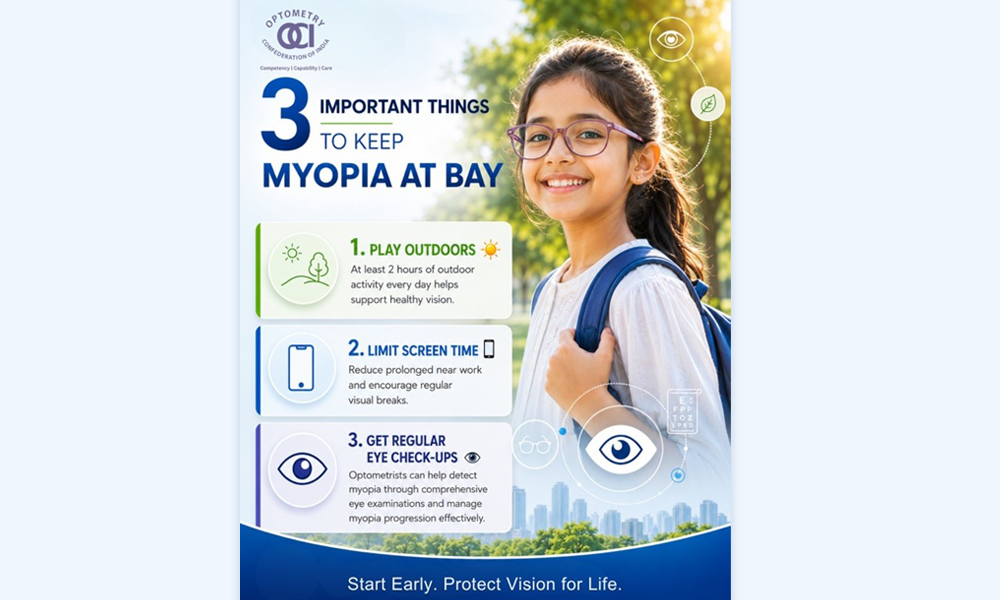
Hosted at the Mitwit Office, steps from the European Parliament, this discussion reframed childhood myopia as an education and workforce pipeline issue. Rising myopia prevalence across Europe carries direct implications for education outcomes, long-term population health, productivity and future service demand; squarely within the EU’s education, skills and employment agendas, not just its health portfolio.
With Spanish MEP Leire Pajín setting out why this matters at EU level, the session asked those in the room to see childhood eye health as infrastructure for the next generation’s education and economic participation.
What should Europe’s priorities for childhood eye health be; at home and through to the Global Summit?
“Eye health must be treated as a priority for the EU and our health systems. Good vision is essential not only for individual well-being and confidence, but also for educational attainment and productivity. We need to move from advocacy to action, from evidence to policy, and from policy to better lives.” MEP Leire Pajín (Spain)
“We are sleepwalking into a public health crisis on children’s eye health. By 2035, half of all our school leavers are expected to be myopic. Our lifestyles are driving this increase; we need to act by raising awareness, focusing on prevention and improving screening.” Caroline Aliwell, Child Eye Health Coalition
This session positioned cataract within a different set of EU policy conversations: ageing populations, elective care backlogs, health system recovery and workforce sustainability. With cataract surgery among the most backlogged elective procedures in Europe post-pandemic, this is a live test case for the EU’s healthy ageing agenda and its ambitions on extending working lives and independent living.
MEP Idoia Mendia Cueva framed cataract not as an inevitable cost of ageing but as a solvable access and capacity problem; one that intersects directly with EU priorities on active ageing, long-term care sustainability and labour force participation among older workers.
What should Europe’s priorities be for improving access to high-quality cataract services?
“The ability to see affects almost every aspect of our lives. It determines whether people can remain independent, continue working if they wish to, care for others, participate in their communities and enjoy a good quality of life. This is why eye health is not only a healthcare issue. It is also an employment issue, a social policy issue, and an issue of equality and dignity.” MEP Idoia Mendia Cueva (Spain)
“Healthy ageing, of which vision plays an important part, is a global agenda we must pay attention to.” Ross Gillian, Parliamentary and Government Relations Adviser, Sightsavers
Both sessions were framed around eye health, but they elevated the conversation into the EU’s existing priorities — educational outcomes, workforce productivity, healthy ageing, and resilient health systems — priorities that risk being pursued while overlooking a condition that touches nearly every citizen at some point in their life course. Positioning these two Brussels conversations in the Parliament’s own neighbourhood was deliberate: it puts eye health on the desks where education, employment, and ageing policy are actually made.
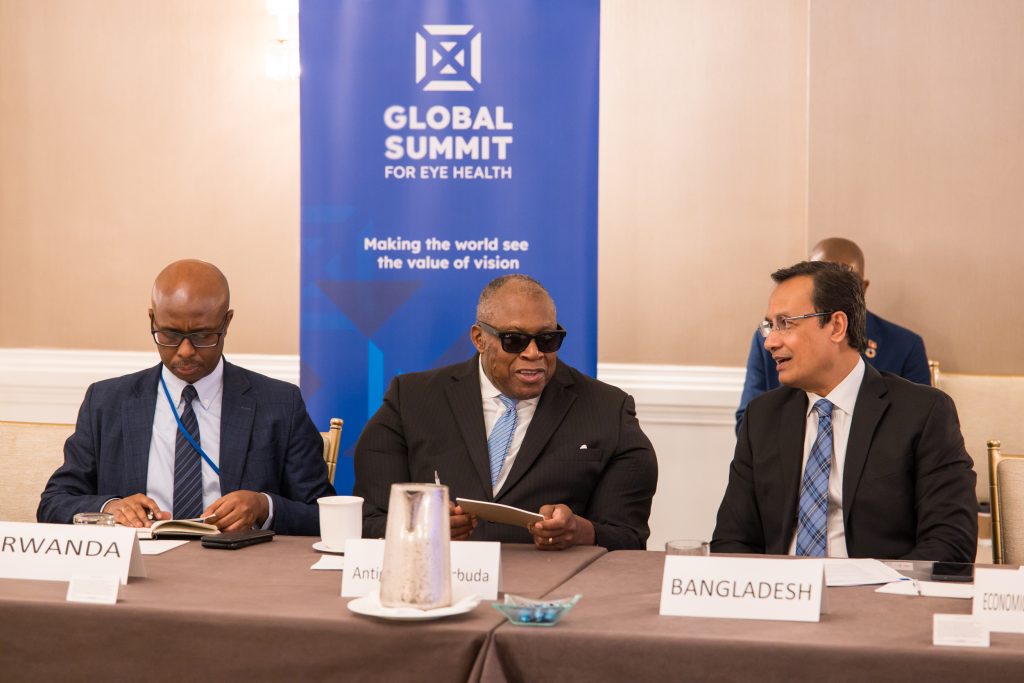
The Advocacy to Action: Europe 2026 series feeds directly into November’s Global Summit for Eye Health, where over 50 nations are expected to make commitments; a pledge that starts with conversations like this one, in rooms like these.
“Our children today will likely live longer than any generation before them, and they’ll need healthy eyes to make the most of it. The same logic holds for ageing demographics: working longer means investing in eye care now. This isn’t a side issue for Europe, it sits inside the EU’s own priorities on health ageing, workforce sustainability, educational outcomes and the new European health data space. At every stage of the life course, healthcare can’t just be for those who find it easy to access. Eye health must be for all.”
Louisa Syrett, Interim Strategic Adviser, Europe – IAPB