

Skip to content

The solar eclipse of 12 August 2026: how to view it safely

Published: 05.08.2026
Ministry of Health Italy
1/1

On 12 August 2026, a partial solar eclipse will be visible across Italy. In the late afternoon, just before sunset, the moon will gradually move in front of the sun, partially obscuring it.

According to recommendations and guidelines from international health organizations (WHO, CDC, Prevent Blindness), a solar eclipse poses no direct risk to human health (such as effects on pregnancy or nutrition), with the sole exception of permanent eye damage caused by even brief direct observation (looking directly at the sun).

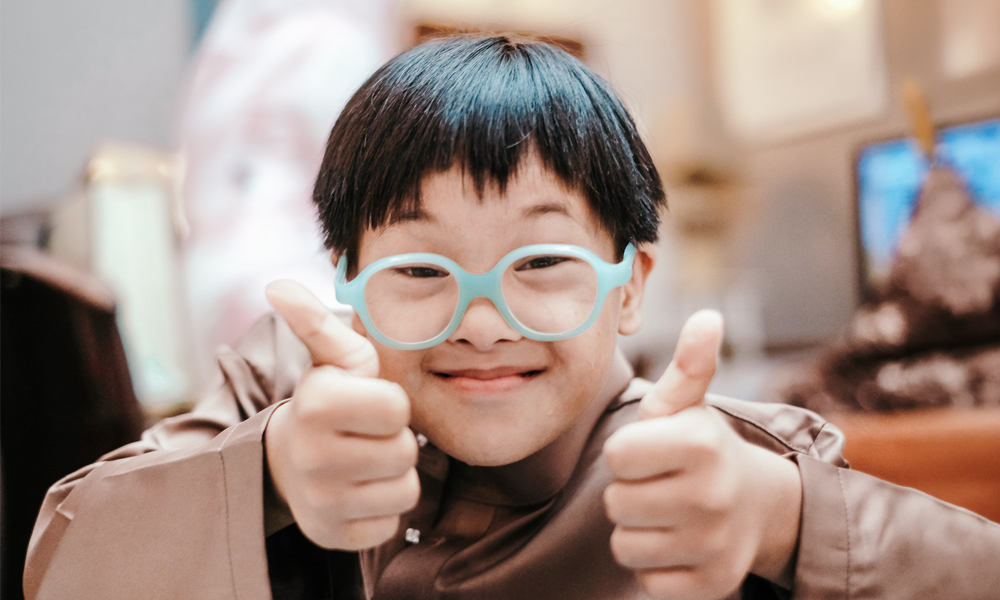
Children and young people are at greater risk.

Before observing the eclipse, you must wear specific eye protection (sunglasses are NOT sufficient) and keep them on at all times.

These are the key points to bear in mind:

  • The primary risk is damage to your eyesight: looking directly at the sun or a solar eclipse – even for a short time – can cause permanent damage to the retina (solar retinopathy), without causing any immediate pain. The risk is increased in the case of repeated observations, even if brief. The damage may become apparent hours or days later.
  • There is only one safe way to protect yourself when observing the sun directly: look at the sun using special eclipse glasses (Eclipse Glasses) that are certified as complying with the ISO 12312-2 standard.
  • Any other method must be avoided as it does not always guarantee safe protection: for example, sunglasses (even when worn one on top of the other), X-ray film, homemade filters, welder’s goggles, camera viewfinders or similar items are not sufficient.
  • Children and young people are at greater risk, as their eyes are more vulnerable to damage, and because the fascination of the phenomenon may draw them towards looking directly at the Sun. For them, observing the eclipse should take place under the constant supervision of adults, who must ensure that children and young people wear eclipse glasses at all times.
  • Older people, or those with pre-existing eye conditions or who have undergone certain eye surgeries, may be at greater risk.

In any case, if you notice any vision problems, even mild ones, in the hours or days following the eclipse, it is important to seek a comprehensive eye examination from a certified eye care professional immediately.