



Join the Leading Global Eye Health Alliance.
Membership-
Choose an alternate language here
- Membership
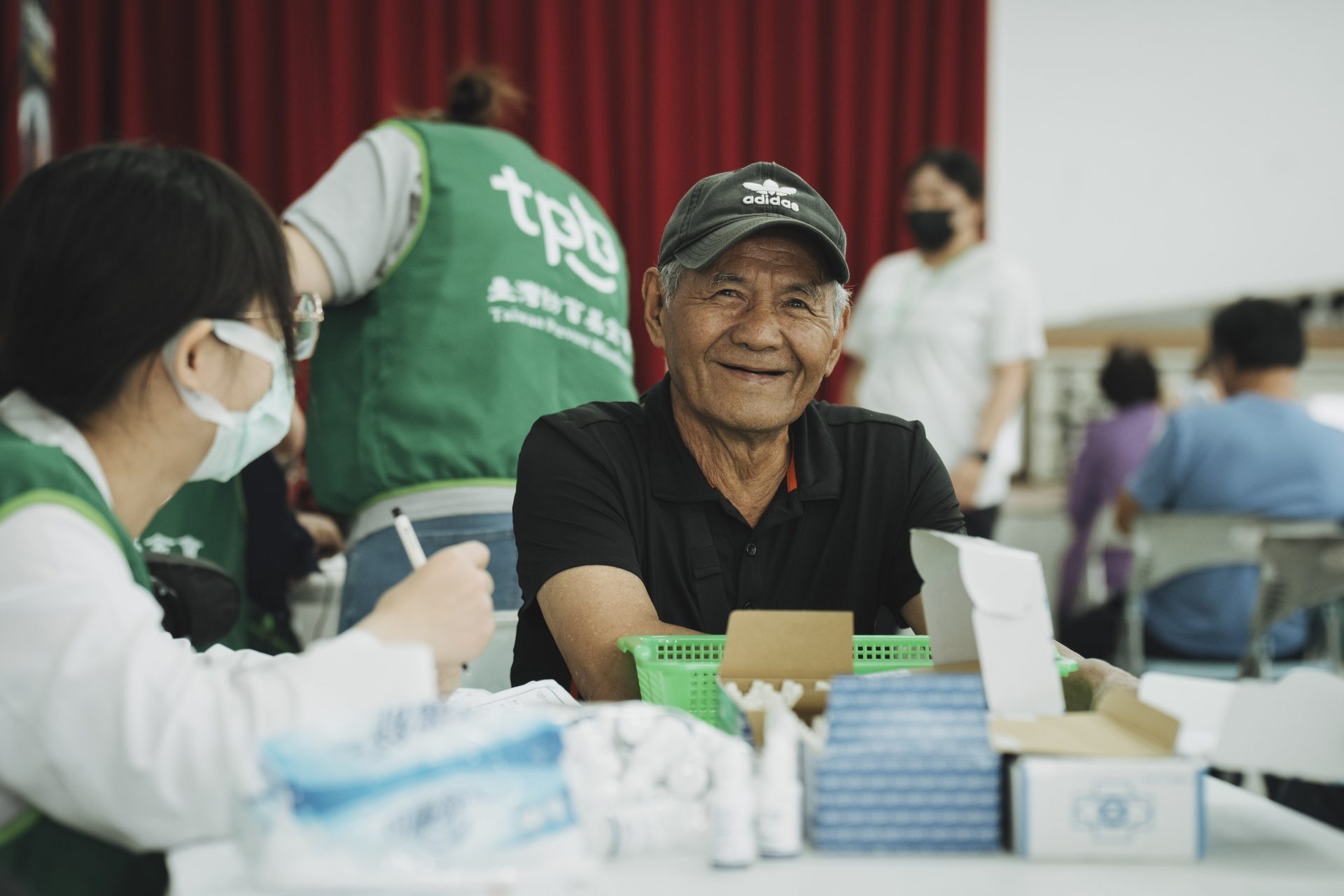
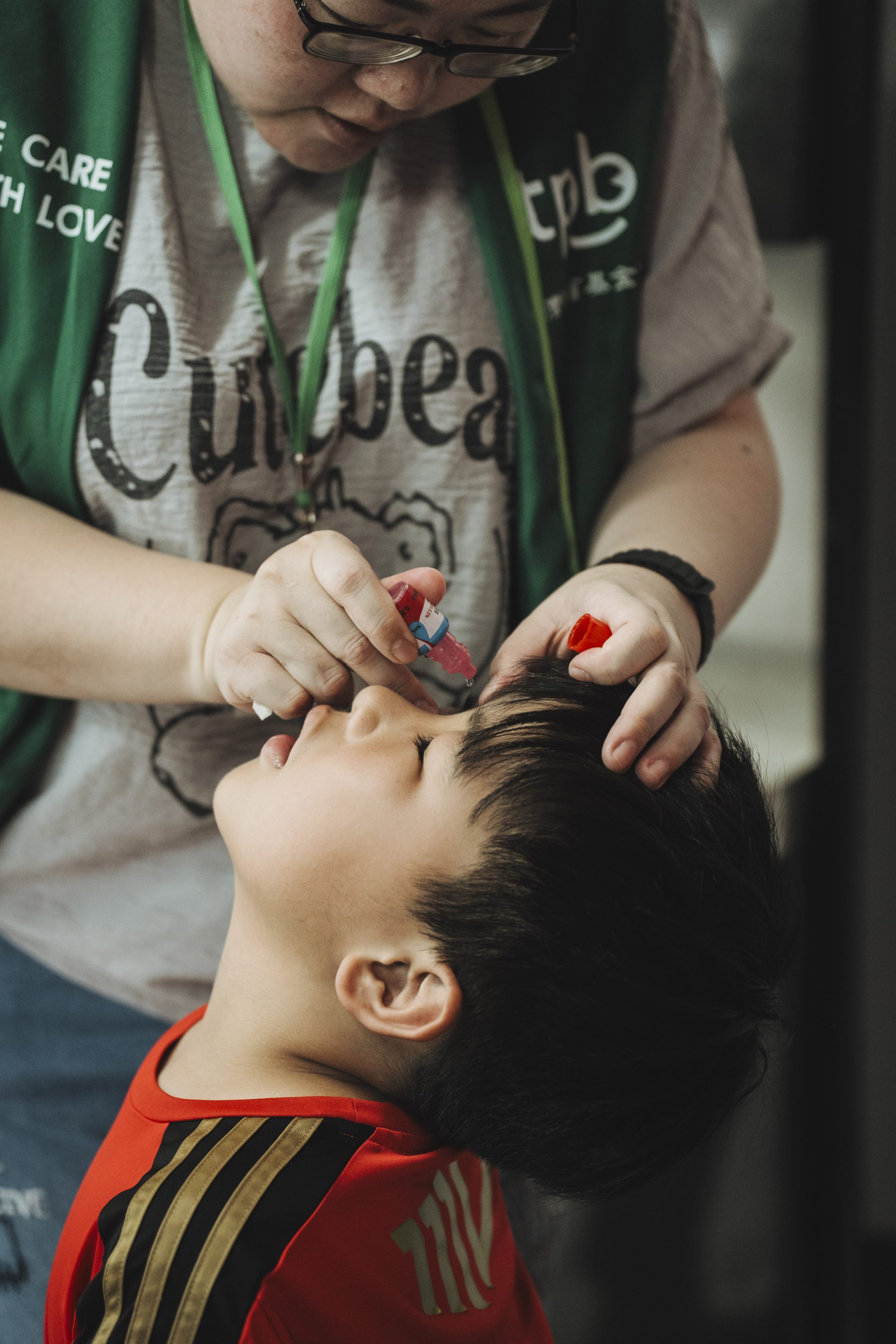
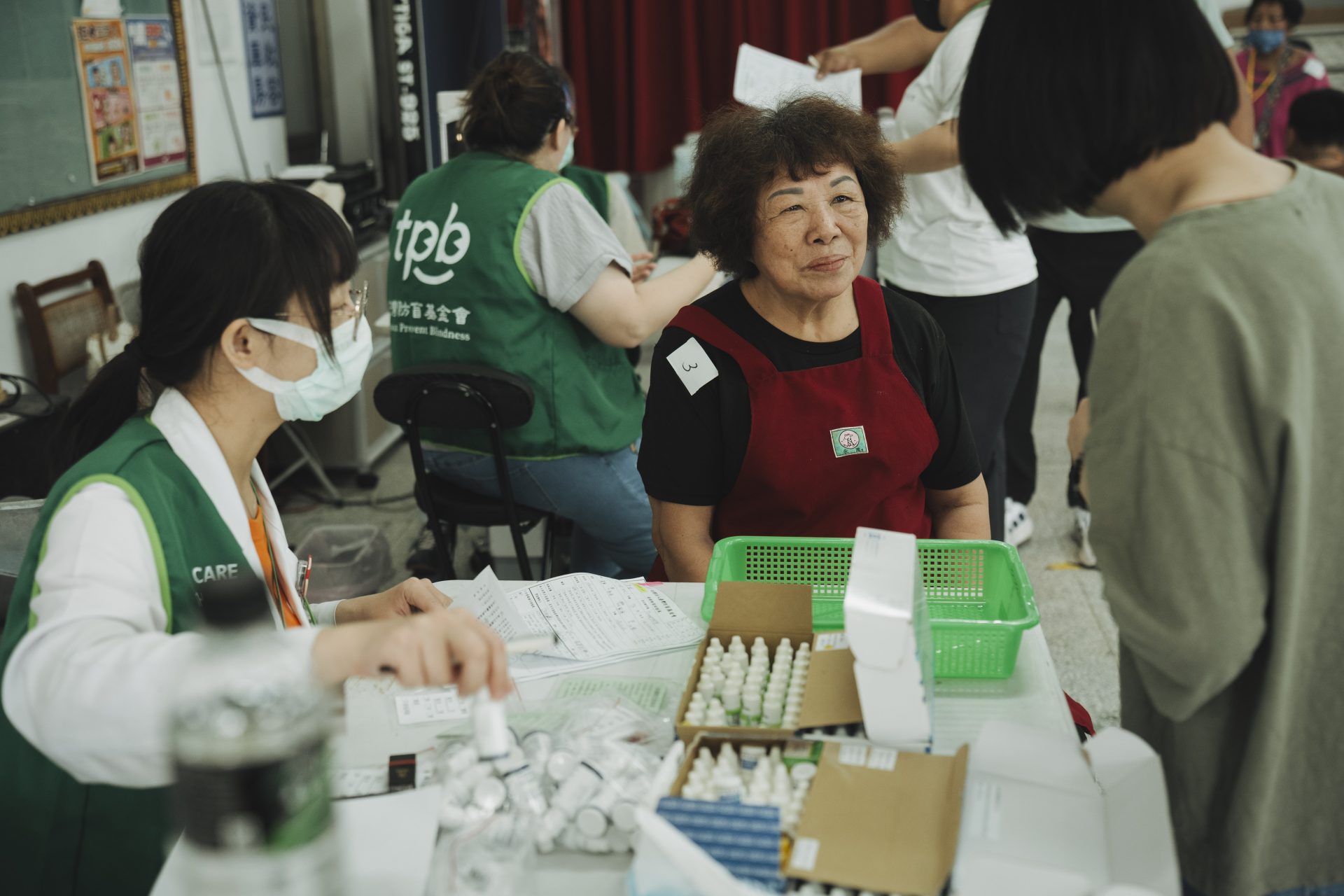
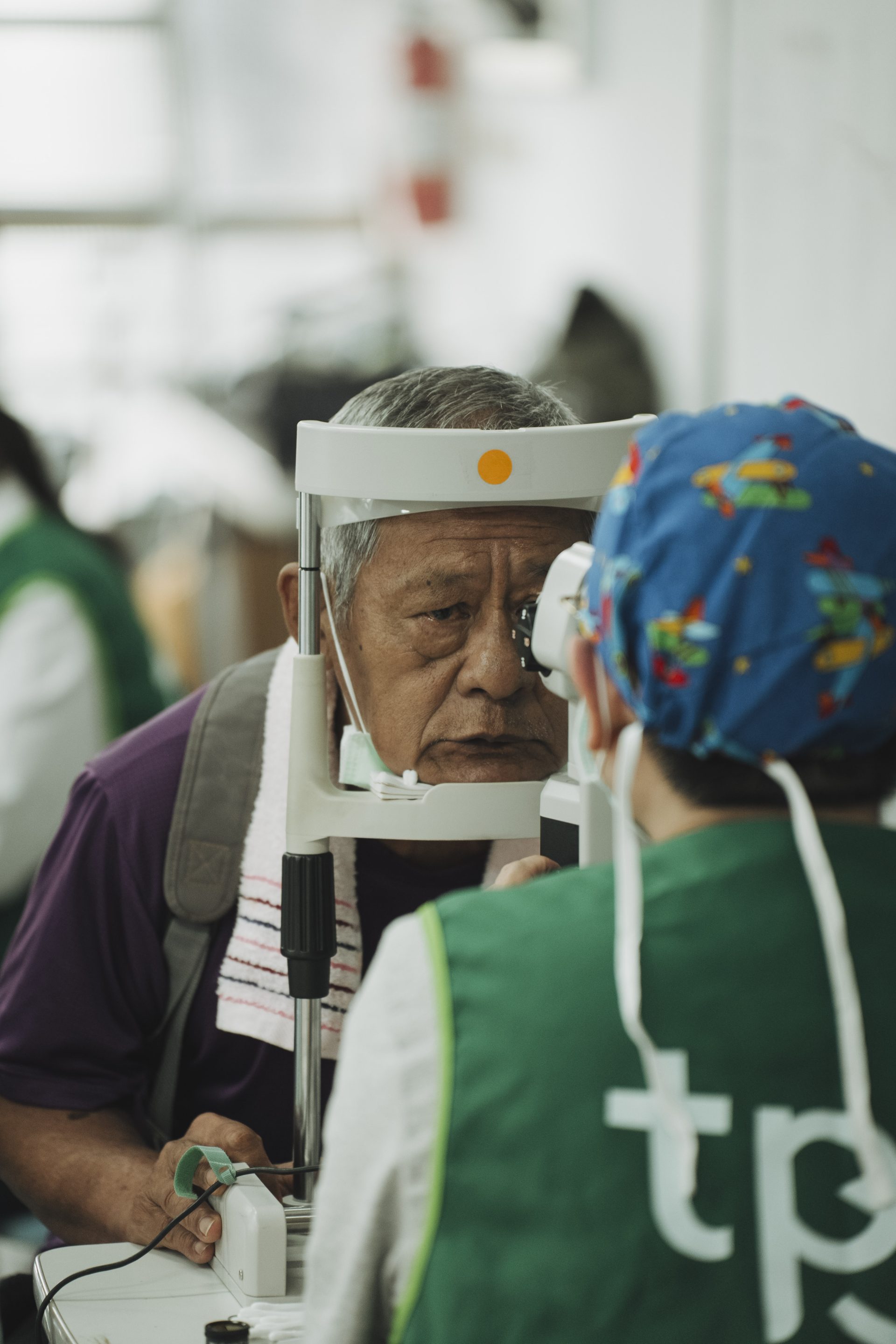
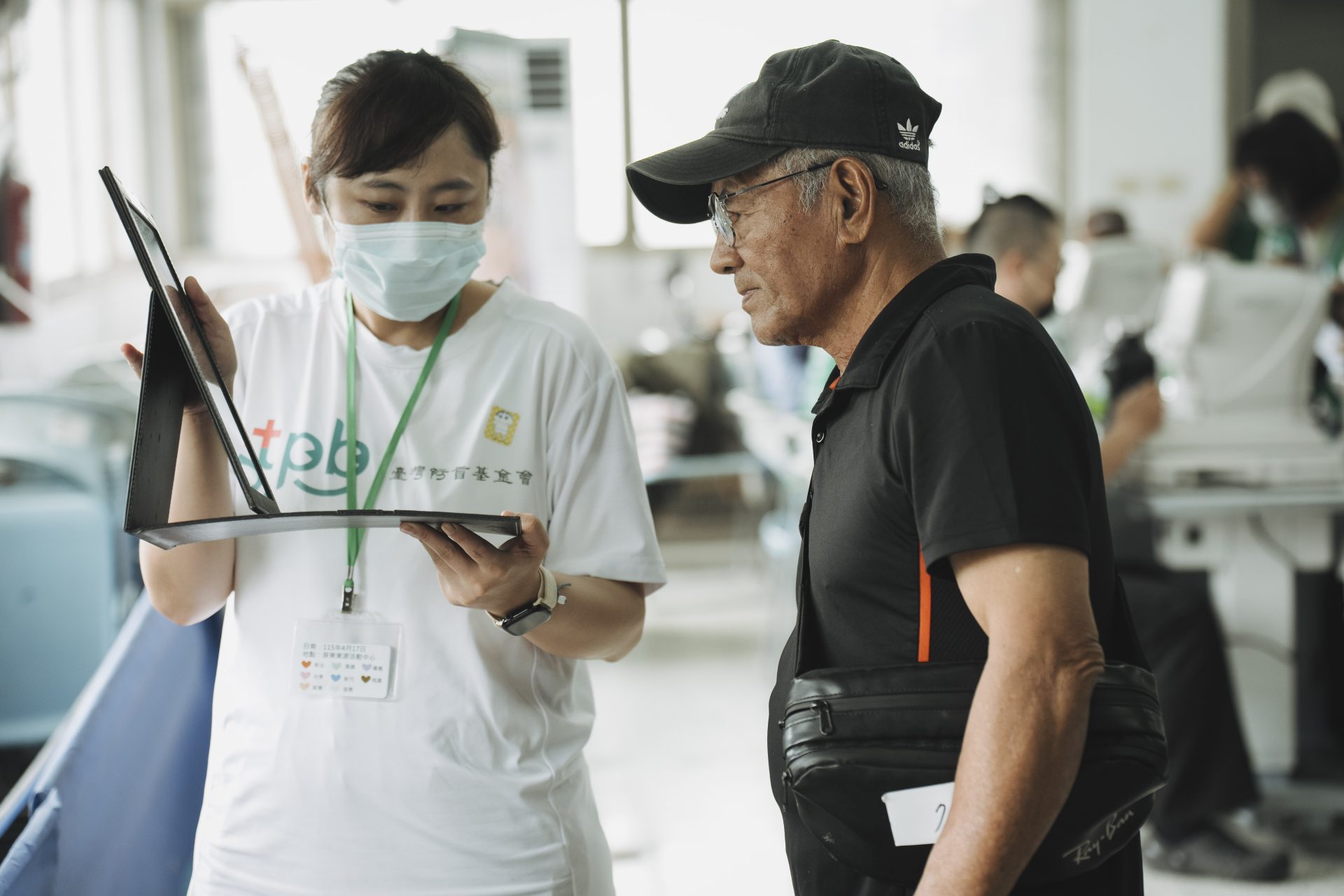
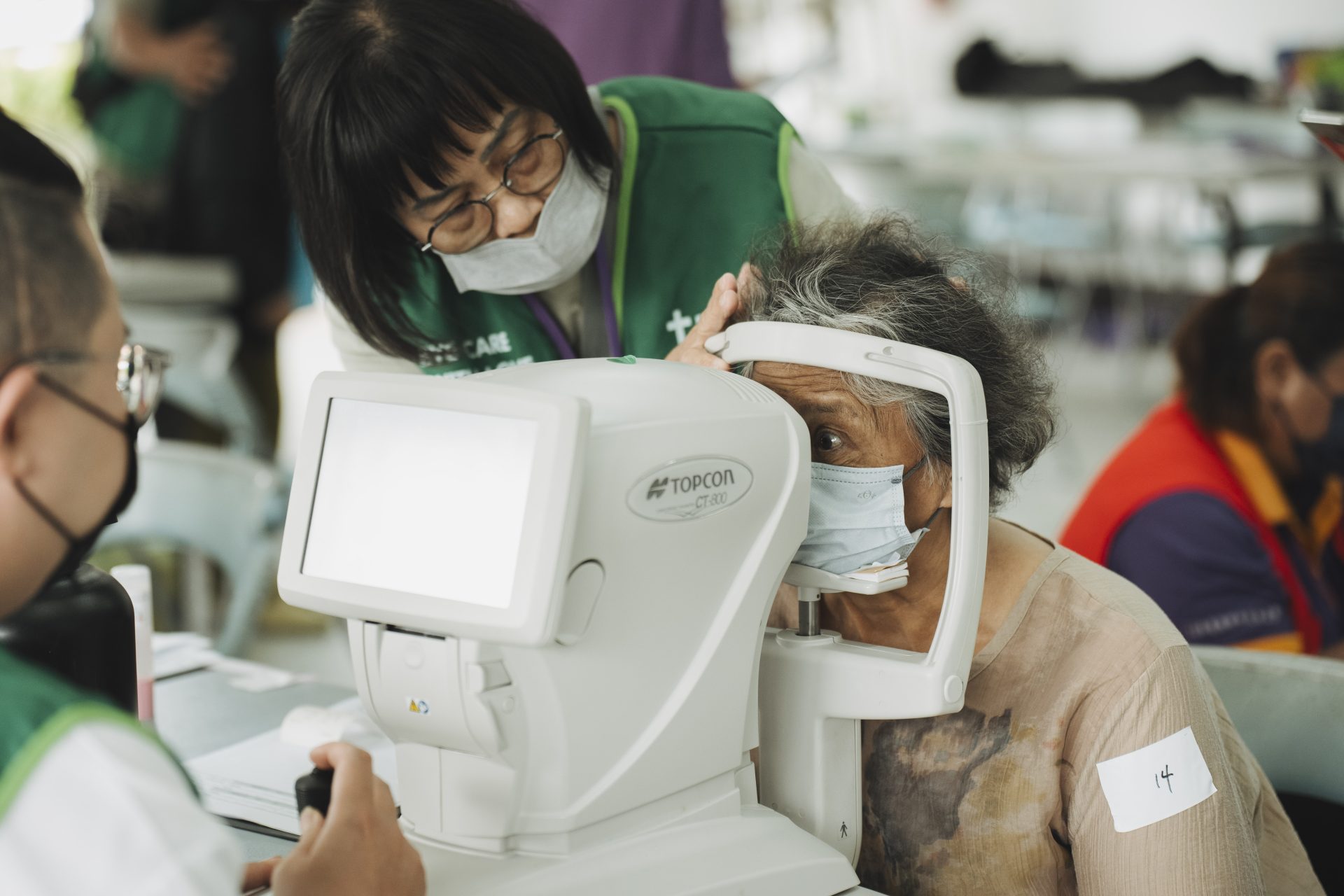
In the emerald depths of Pingtung’s Mudan Township lies Dongyuan Village, a place as serene as a landscape painting. Here, the indigenous Paiwan people cultivate Bird’s-nest ferns amidst a lush backdrop of mahogany forests and the sprawling wetlands of the Dongyuan “Lake of Weeping.” While this “Back Garden of the Tribe” is a sanctuary of natural beauty, its geographical isolation often creates a formidable barrier to essential healthcare.
For the village elders, the desire to see the world clearly often requires a grueling journey across mountains and seas. It is a gap that the Taiwan Prevent Blindness Foundation (TPB) recognized and resolved to bridge.
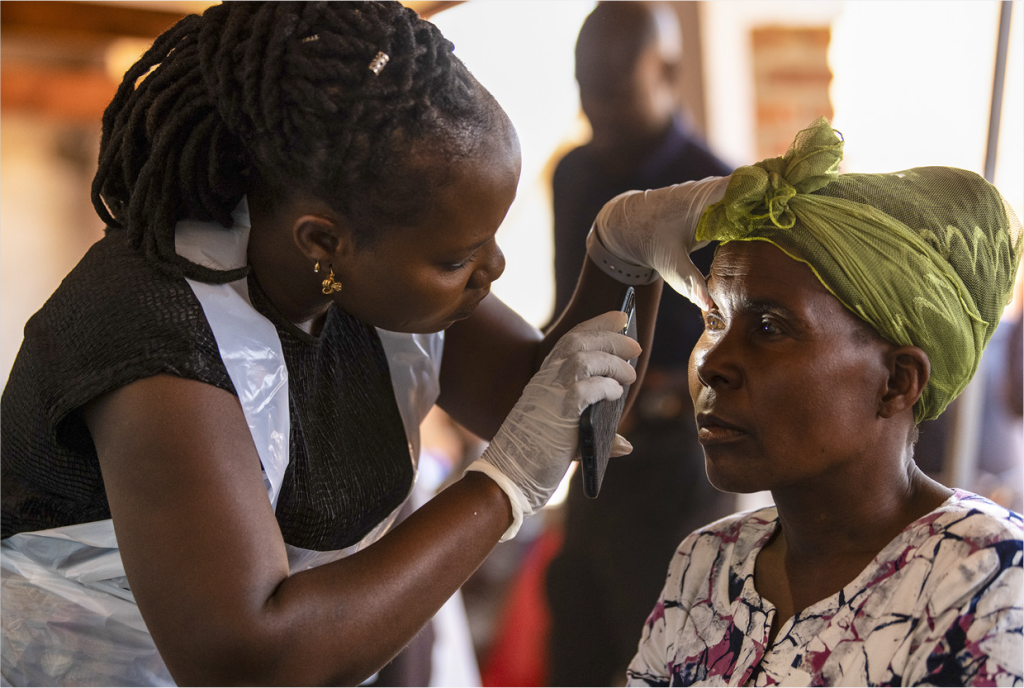
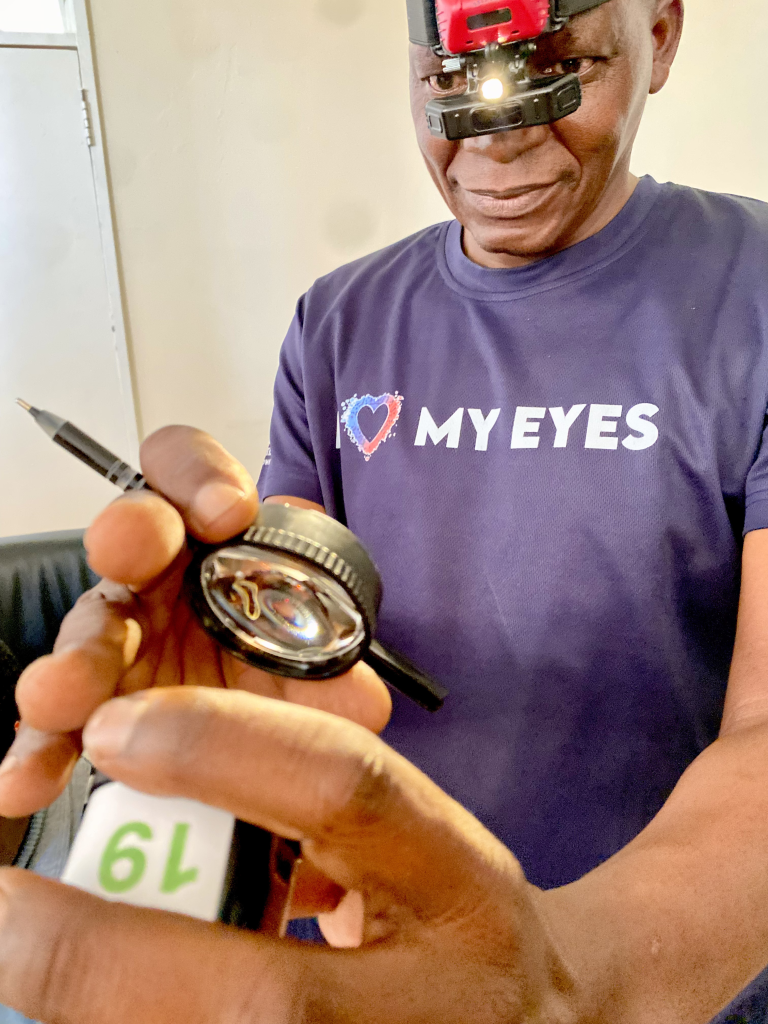
This April, as the early summer heat began to settle over the community center, the TPB medical team and volunteers arrived in Dongyuan. Despite the rising temperatures, the team worked with singular focus, driven by a mission to bring professional eye care to those the world often overlooks.
A Two-Hour Journey and Half-Day Registration Barriers
“There are only about a hundred households left here; the youth have all moved away,” a local resident shared with a sigh.
In Dongyuan, seeking ophthalmic care is a test of endurance. Residents must brave a two-hour bus ride over winding mountain roads to reach Hengchun. With local clinics often operating only half-days and registration closing strictly at 10:30 AM, the stakes are high. Combined with a sparse bus schedule—sometimes only two trips a day—elders must often set out before dawn, fearing that a single delay could render their entire journey futile.
A Stark Revelation: Bridging the Gap in Education
The screening drew a diverse crowd, from energetic children to silver-haired elders. Among them was a nine-year-old boy and his father. The father admitted with guilt that due to a busy work schedule, he had let his son use a smartphone unchecked, only recently attempting to limit screen time.
However, a more immediate concern surfaced during the father’s own exam. A regular contact lens wearer, he had been treating “daily disposables” as long-wear lenses, sometimes keeping them in for three consecutive days, even while sleeping.
“This is incredibly damaging to your eyes,” Dr. Hsu Huan-Chen warned firmly. “Do not try to save a little money now, only to spend much more treating a serious infection later.” Alongside the pharmacist, the team provided immediate education on ocular hygiene — a reminder that in resource-poor areas, the right knowledge is often more powerful than medicine itself.
Preserving the “Golden Period” of Development
For the mother of a seven-year-old boy, the foundation’s arrival was a profound relief. Since receiving a vision referral from her son’s school, she had been paralyzed by the logistics of seeking help. “We only have a scooter. Going to Hengchun is expensive and exhausting,” she explained.
Dr. Hsu diagnosed the boy with amblyopia (lazy eye), a condition requiring immediate corrective lenses and consistent follow-up. This encounter underscored TPB’s core mission: it is not just about the initial screening but ensuring that a child’s developmental “golden period” is not lost to the ruggedness of a mountain road.
From Personal Trauma to Community Advocacy
Village Head Mr. Kao was a whirlwind of activity, ensuring every villager was cared for before finally sitting down for his own check-up. For him, eye health is deeply personal. He recalled a traumatic industrial accident in his twenties when a shard of wire struck his right eye like a bullet.
“The darkness was instantaneous,” he remembered. Though the physical wound healed, the experience left him with a lifelong commitment to sight. It was his advocacy that helped bring this clinic to Dongyuan, fueled by the wish that no neighbor should have to face the darkness he once did.
Beyond Sight: Restoring Quality of Life
Dr. Hsu observed that while many elders had previously undergone cataract surgery, “post-op” does not mean the end of care. “Today, we prescribed many pairs of reading glasses. Our goal isn’t just to help them ‘see’—it’s to help them see clearly,” he emphasized.
Improving visual quality directly impacts the safety and independence of the elderly. Furthermore, Dr. Hsu noted a high prevalence of ocular allergies, likely linked to the rich biodiversity of the nearby “Water Grassland” wetlands. These findings highlight the need for “localized” health education that respects the specific environment of the tribe.
A Legacy of Care in the Back Garden
To support the elders who had been waiting since the early morning, TPB staff provided water and snacks, turning a clinical environment into one of familial warmth.
By crossing the mountains to reach Dongyuan, the Taiwan Prevent Blindness Foundation did more than provide medical exams; they restored hope. Through continued support, we can ensure that the vivid greens of the mountains and the delicate fragrance of the white ginger lilies remain a clear and lasting vision for the generations of Dongyuan Village.